ASUS ROG GL702VI-BA004R RAM upgrade specifications


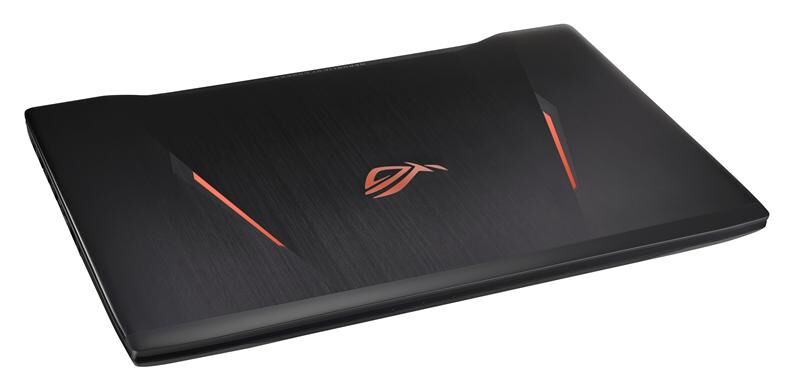

The ASUS ROG Strix GL702VI-BA004R features DDR4-SDRAM memory upgrade capabilities with two SO-DIMM slots supporting a maximum capacity of 32 GB. Compatible memory operates at 2400 MHz frequency. The laptop specifications allow RAM upgrades using SO-DIMM form factor modules, enabling users to expand the system memory configuration from the original installed capacity up to the maximum supported 32 GB limit across both available memory slots.
Memory Upgrade Specifications
| Specification | Value |
|---|---|
| Memory slots | 2x SO-DIMM |
| Form factor | SO-DIMM |
| Memory type | DDR4-SDRAM |
| Frequency | 2400 MHz |
| Maximum RAM | 32 GB |
| Voltage | 1.2V |
| Number of pins | 260-pin |
| Interface | PC4 |
| PC Speed Rating | PC4-2400 (PC4-19200) |
| Bandwidth | 19.2 GB/s |
| Laptop Release date | 12 March 2019 |
Additional Notes
- The dual-slot configuration necessitates the removal of existing modules to reach the maximum capacity since no empty expansion bays remain after both slots are occupied.
- Installing a single module triggers single-channel mode which effectively halves the available theoretical memory bandwidth compared to a symmetrical dual-channel setup.
- The 32 GB threshold indicates a hardware limitation of the internal memory controller or BIOS architecture that prevents the utilization of 32 GB high-density sticks in a single slot.
- Mixing modules with different timings or different ranks creates stability risks and forces the system to default to the slowest common denominator for all installed hardware.
- Internal access to the **ASUS ROG GL702VI-BA004R** memory slots requires the removal of the entire bottom chassis panel which exposes sensitive surface-mount components to potential electrostatic discharge.
- Using modules with speeds exceeding 2400 MHz results in automatic downclocking to match the native bus frequency of the motherboard chipset.
- The SO-DIMM form factor excludes the use of desktop-grade DIMM modules due to physical size discrepancies and different pin counts.
- Latency performance depends on the CAS latency rating of the replacement kits because the system lacks manual voltage and timing adjustments in the firmware.