ASUS ROG GL702VI-BA036T RAM upgrade specifications
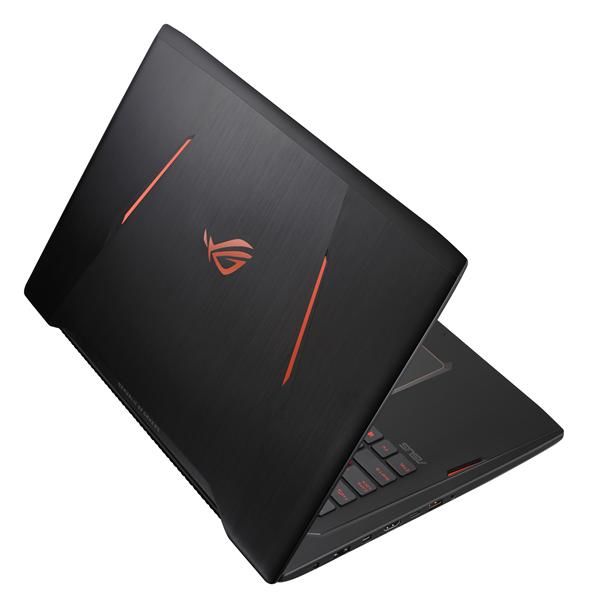
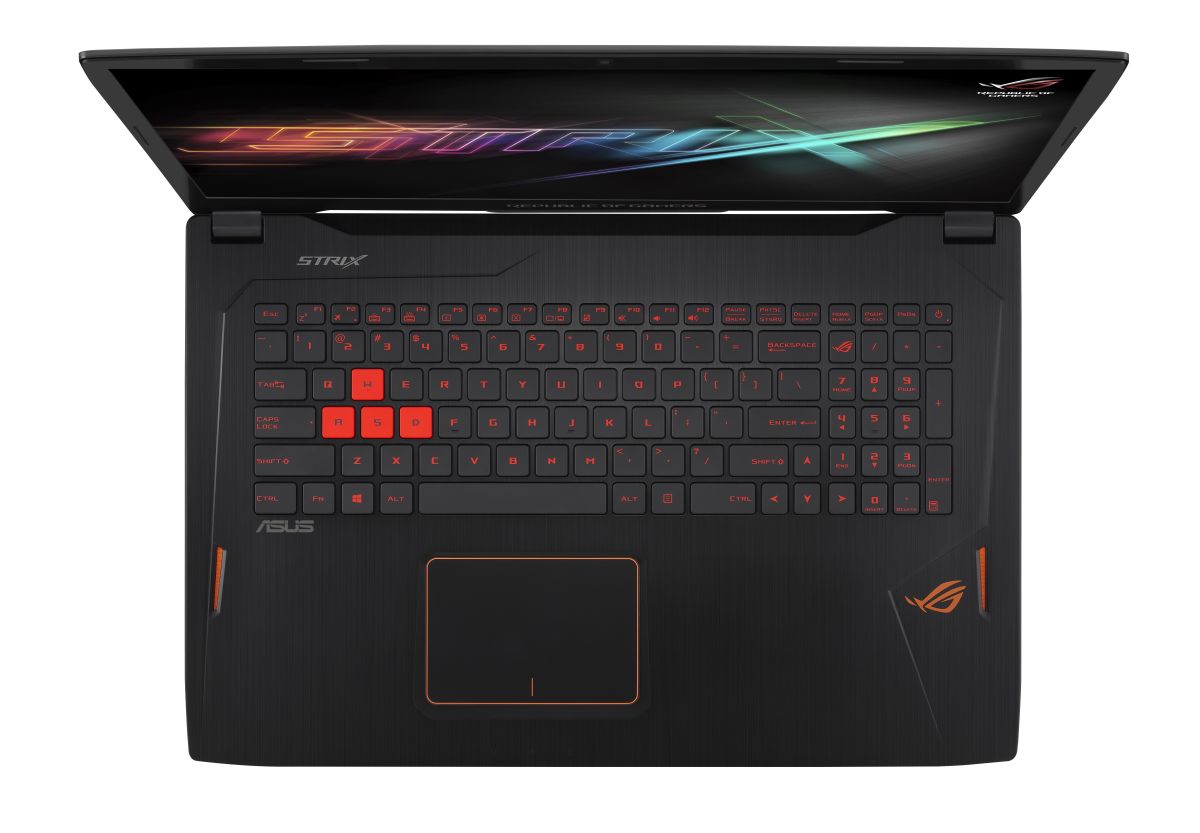
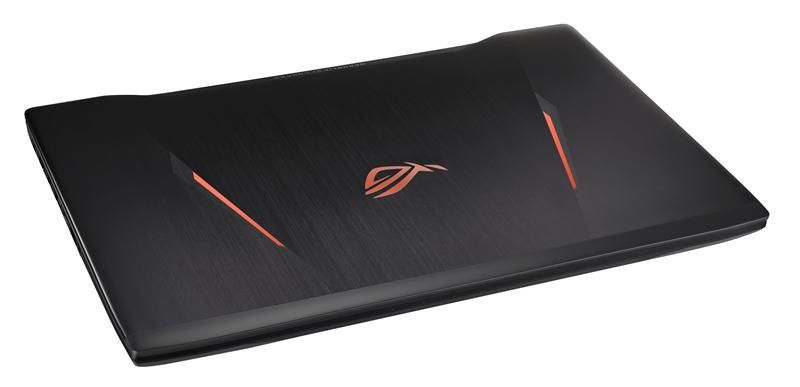

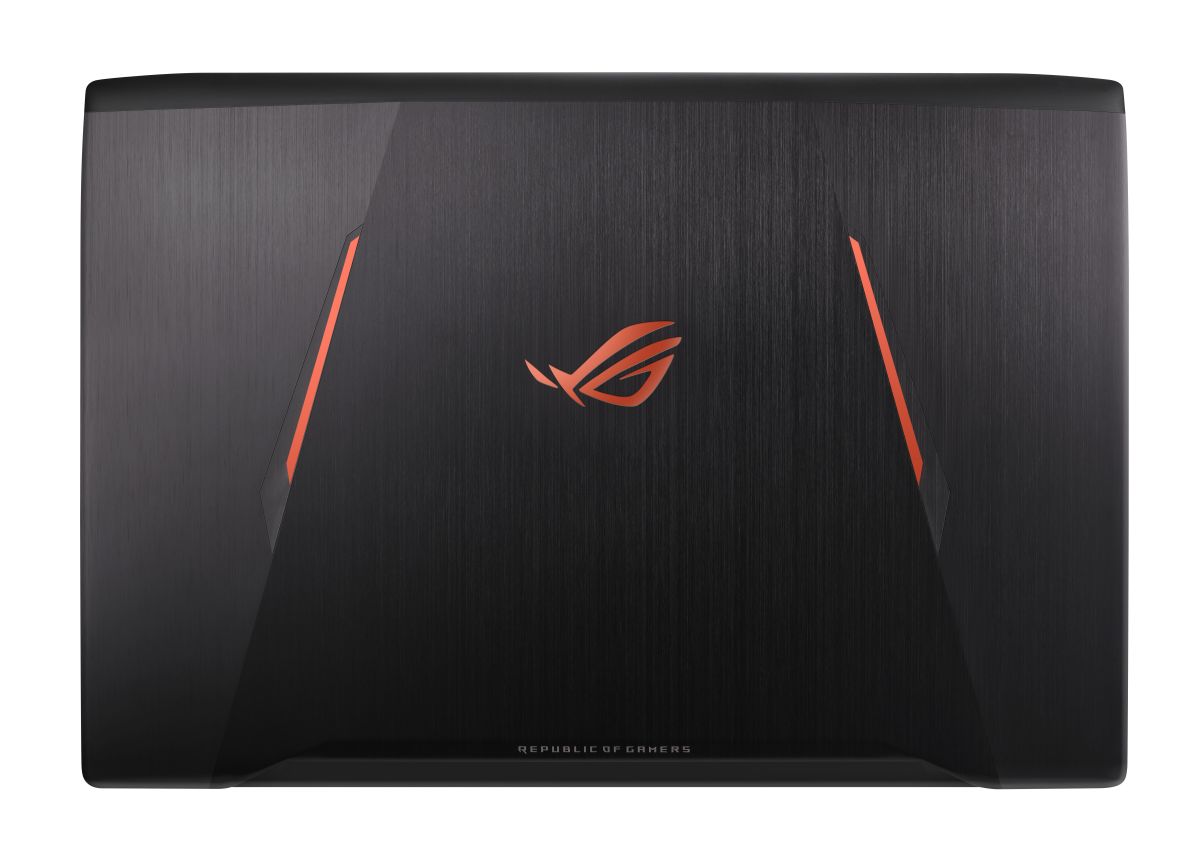
The ASUS ROG Strix GL702VI-BA036T supports DDR4-SDRAM memory upgrades via 2x SO-DIMM slots. Compatible RAM modules operate at 2400 MHz frequency. Maximum memory capacity reaches 32 GB total when both slots are populated with matching modules. RAM upgrade specifications indicate SO-DIMM form factor compatibility. This gaming laptop model accommodates standard DDR4 memory configurations for enhanced multitasking and performance capabilities.
Memory Upgrade Specifications
| Specification | Value |
|---|---|
| Memory slots | 2x SO-DIMM |
| Form factor | SO-DIMM |
| Memory type | DDR4-SDRAM |
| Frequency | 2400 MHz |
| Maximum RAM | 32 GB |
| Voltage | 1.2V |
| Number of pins | 260-pin |
| Interface | PC4 |
| PC Speed Rating | PC4-2400 (PC4-19200) |
| Bandwidth | 19.2 GB/s |
| Laptop Release date | 20 January 2018 |
Additional Notes
- The ASUS ROG GL702VI-BA036T accepts only DDR4 modules, excluding compatibility with older DDR3 or DDR3L memory regardless of physical adapter attempts.
- The 32 GB maximum capacity enforces a practical ceiling of 16 GB per module when populating both slots for maximum memory.
- The SO-DIMM form factor requirement prevents installation of standard desktop DIMM modules due to incompatible pin counts and physical dimensions.
- Memory operating at 2400 MHz represents the native speed ceiling, meaning modules rated at 2666 MHz, 3000 MHz, or higher will downclock to 2400 MHz.
- Dual-channel architecture through the 2 slots delivers double the memory bandwidth compared to single-module configurations when matched pairs are installed.
- The chipset lacks support for ECC memory modules, making registered or buffered SO-DIMMs incompatible despite matching physical specifications.
- Memory access to the slots typically requires bottom panel removal rather than dedicated access doors, affecting upgrade complexity.
- Mixing modules with different latency timings forces the memory controller to adopt the slower timing profile across both channels.
- Single-rank versus dual-rank module selection affects memory interleaving efficiency, with dual-rank configurations offering marginal performance gains in bandwidth-intensive applications.
- Operating voltage locked at 1.2V standard for DDR4 prevents use of low-voltage variants designed for different platform specifications.