ASUS ROG GL702VM-GC137T RAM upgrade specifications

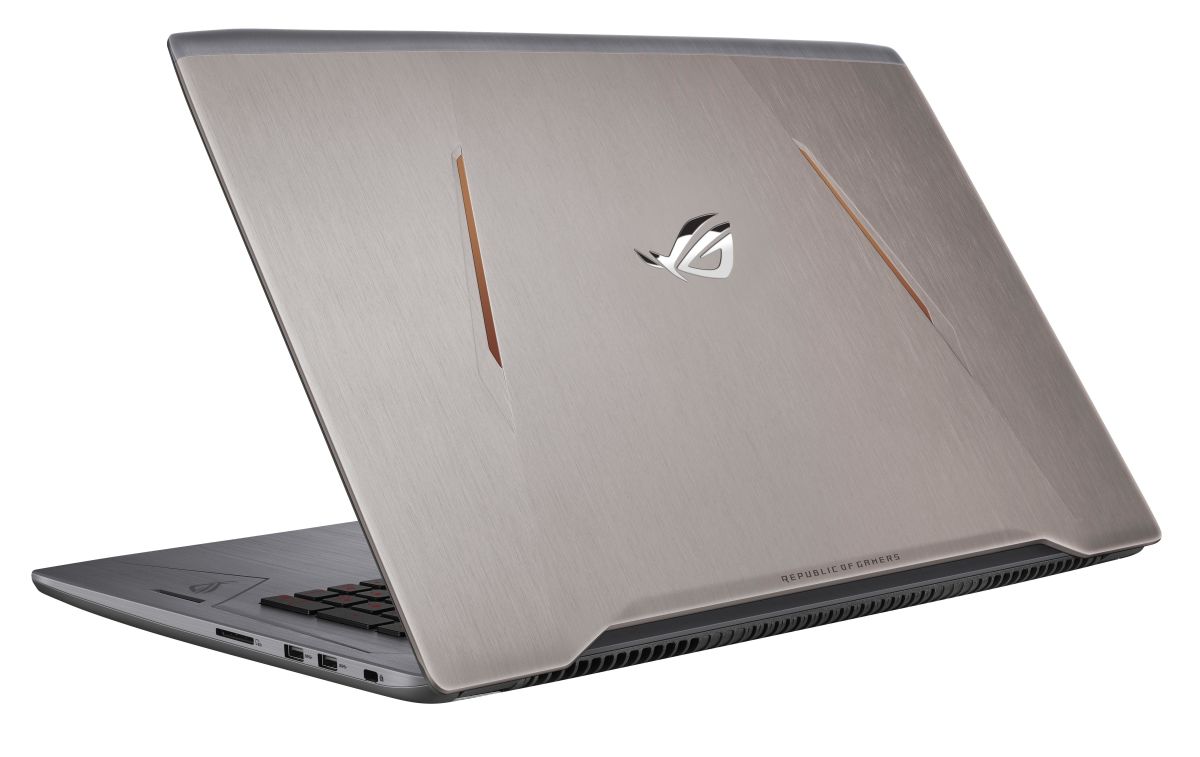
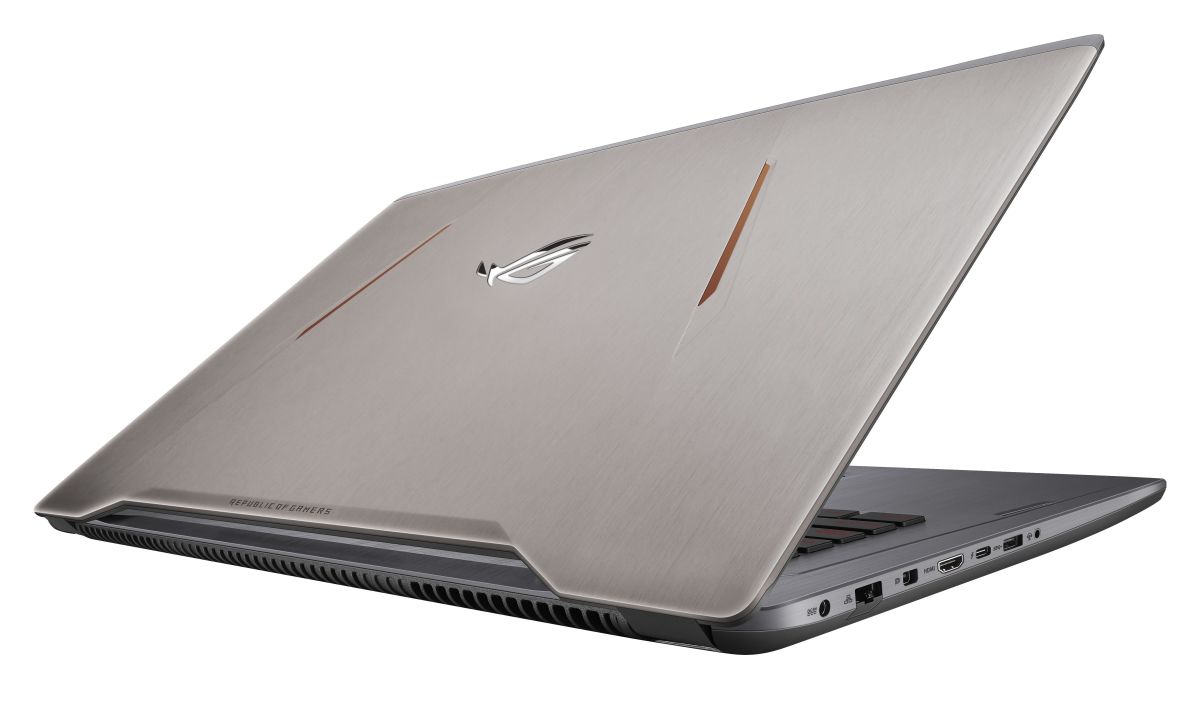

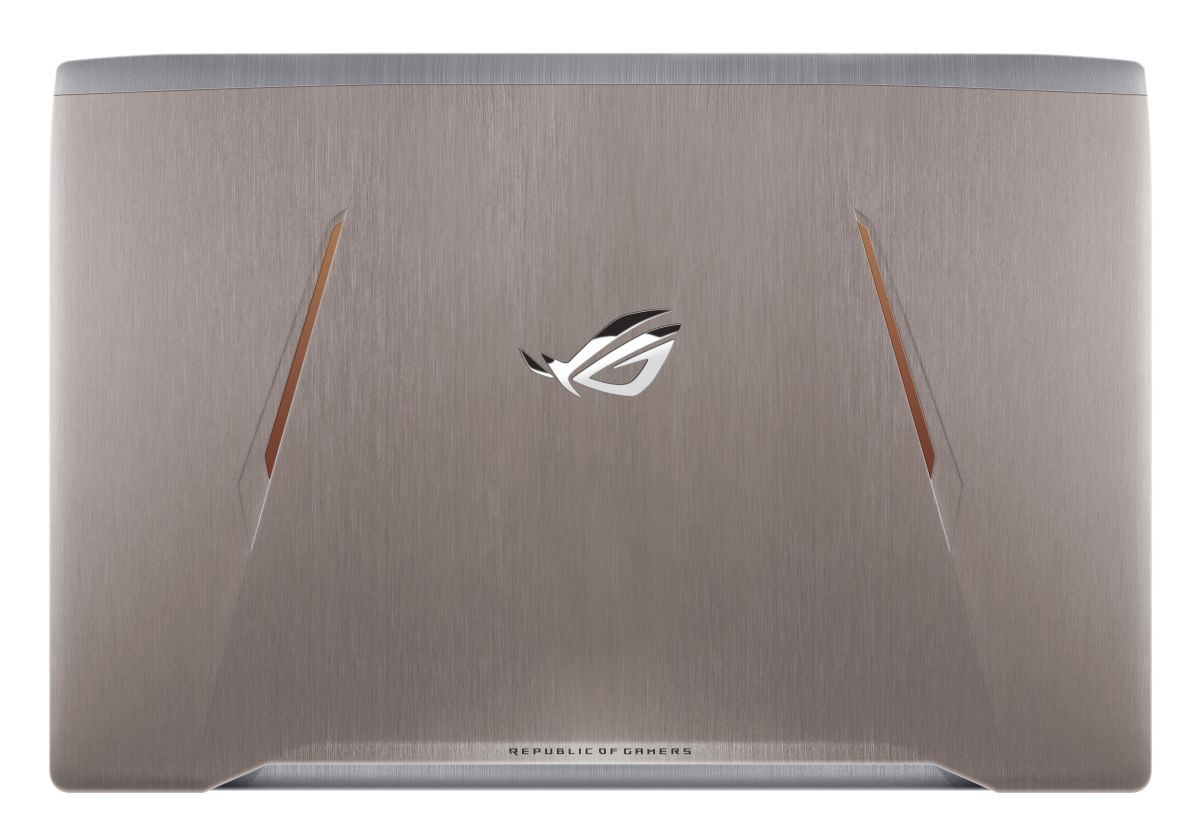
The ASUS ROG Strix GL702VM-GC137T laptop supports DDR4-SDRAM memory upgrades through two SO-DIMM slots. The maximum supported RAM capacity is 32 GB total, with compatible modules operating at 2133 MHz frequency. Current memory specifications and upgrade slots allow for significant RAM expansion to enhance system performance and multitasking capabilities on this gaming-focused laptop model.
Memory Upgrade Specifications
| Specification | Value |
|---|---|
| Memory slots | 2x SO-DIMM |
| Form factor | SO-DIMM |
| Memory type | DDR4-SDRAM |
| Frequency | 2133 MHz |
| Maximum RAM | 32 GB |
| Voltage | 1.2V |
| Number of pins | 260-pin |
| Interface | PC4 |
| PC Speed Rating | PC4-2133 (PC4-17064) |
| Bandwidth | 17.1 GB/s |
| Laptop Release date | 01 August 2017 |
Additional Notes
- DDR4-2133 represents first-generation DDR4 specifications with higher latency characteristics compared to DDR4-2400 or DDR4-2666 modules that became standard in later gaming laptop generations.
- The 2-slot configuration eliminates incremental upgrade options, requiring full replacement of existing modules to increase total capacity beyond factory configuration.
- 32 GB maximum capacity indicates chipset limitation rather than physical slot restriction, as SO-DIMM slots physically accommodate higher-density modules that exceed this threshold.
- SO-DIMM modules operate at 1.2V nominal voltage for DDR4 standard, distinguishing compatibility requirements from DDR3L or earlier standards that used different voltage specifications.
- Dual-channel memory architecture requires matched pairs for optimal bandwidth utilization, with asymmetric configurations reverting to single-channel operation for the unmatched portion.
- Frequency locked at 2133 MHz suggests JEDEC standard timing rather than XMP profile support, preventing utilization of higher-speed modules at their rated specifications.
- Non-registered (unbuffered) SO-DIMM requirement prohibits use of server-grade registered modules despite physical compatibility of the 260-pin interface.
- Memory controller integration within the mobile processor determines actual supported capacity, creating dependency on specific CPU model rather than motherboard specifications alone.
- Thermal considerations in the enclosed laptop chassis restrict use of high-profile heat spreaders common on desktop memory modules, even within SO-DIMM form factor variations.
- Access to memory slots typically requires bottom panel removal, with potential warranty seal placement varying by region and distribution channel affecting user-serviceability status.
- Single-rank versus dual-rank module topology affects maximum achievable capacity per slot, with 16 GB single modules utilizing dual-rank configuration at this density level.
- CAS latency timing variations between manufacturers at identical 2133 MHz frequency create minor performance differences measurable only in synthetic benchmarks rather than gaming workloads.