ASUS ROG GL702VM-DS74-HID4 RAM upgrade specifications

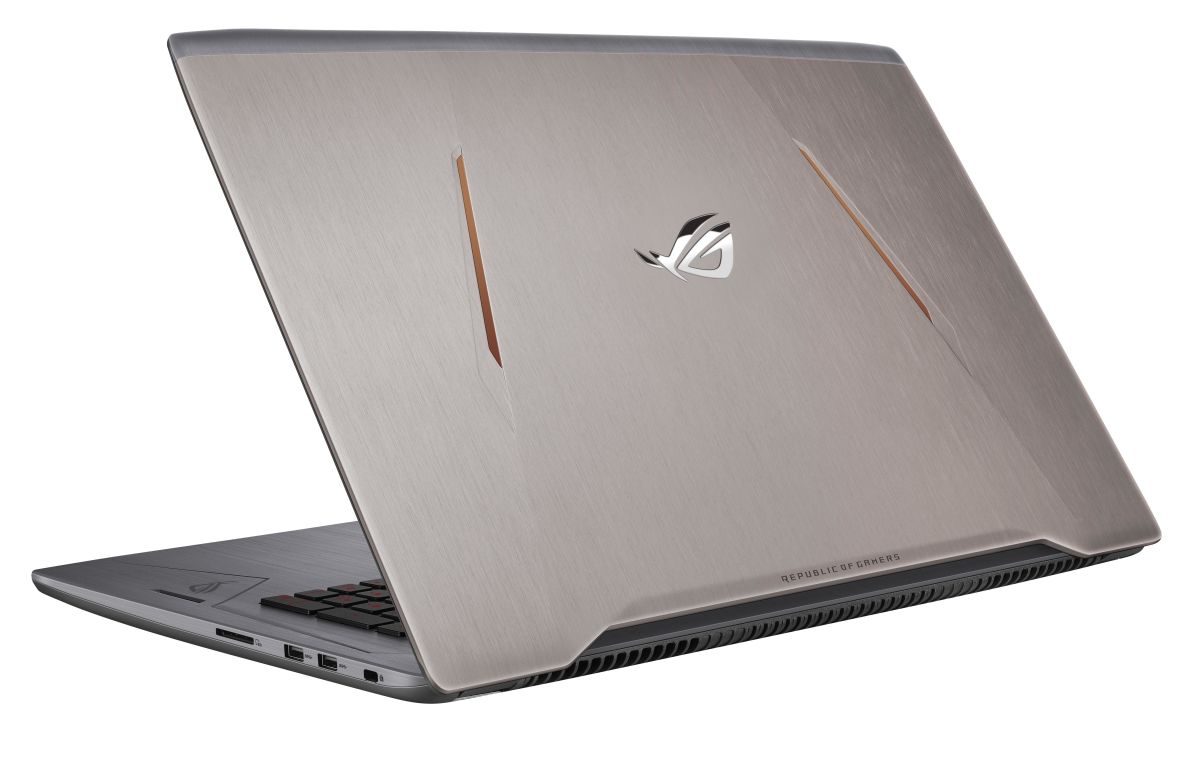


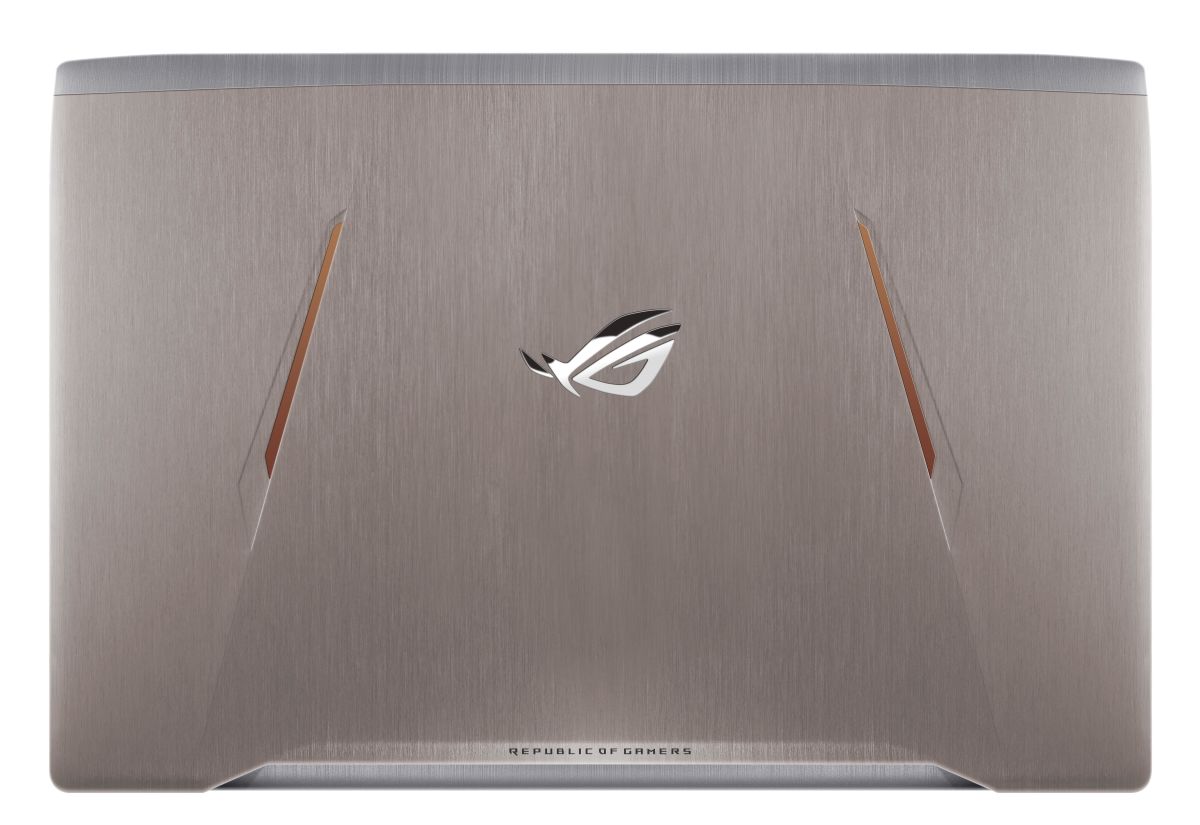
The ASUS ROG Strix GL702VM-DS74-HID4 laptop features DDR4-SDRAM memory configuration with 2x SO-DIMM slots supporting maximum capacity of 32 GB RAM. Memory upgrade specifications include DDR4 compatibility operating at 2400 MHz frequency. The SO-DIMM form factor enables compatible memory module installation for laptop expansion. Current memory slots permit RAM upgrade options up to the 32 GB maximum capacity. ASUS ROG Strix GL702VM-DS74-HID4 upgrade specifications establish DDR4-SDRAM as the required memory type for compatible RAM expansion.
Memory Upgrade Specifications
| Specification | Value |
|---|---|
| Memory slots | 2x SO-DIMM |
| Form factor | SO-DIMM |
| Memory type | DDR4-SDRAM |
| Frequency | 2400 MHz |
| Maximum RAM | 32 GB |
| Voltage | 1.2V |
| Number of pins | 260-pin |
| Interface | PC4 |
| PC Speed Rating | PC4-2400 (PC4-19200) |
| Bandwidth | 19.2 GB/s |
| Laptop Release date | 05 November 2017 |
Additional Notes
- Dual channel memory architecture requires installing a matching pair of modules to optimize bandwidth for the processor and integrated graphics.
- Physical access to internal components involves removing the entire bottom chassis cover as this model lacks a dedicated quick access panel for memory maintenance.
- Installation of faster frequency modules results in a downclock to 2400 MHz to align with the hardware pre-sets of the motherboard chipset.
- Total memory capacity is capped at 16 GB per slot due to the specific architectural density limitations of the internal bus.
- Mismatching module capacities or timings triggers a fallback to single channel mode which reduces data throughput for heavy gaming or rendering tasks.
- Compatibility is restricted to 260 pin SO-DIMM modules while 204 pin DDR3 or older hardware remains physically incompatible with the slot design.
- Thermal constraints of the thin chassis design necessitate the use of standard voltage modules to prevent heat concentration near the memory controllers.
- Upgrade procedures require the detachment of the battery connector prior to module insertion to prevent localized short circuits on the motherboard.