ASUS ROG GL702VM-DB71-HID7 RAM upgrade specifications

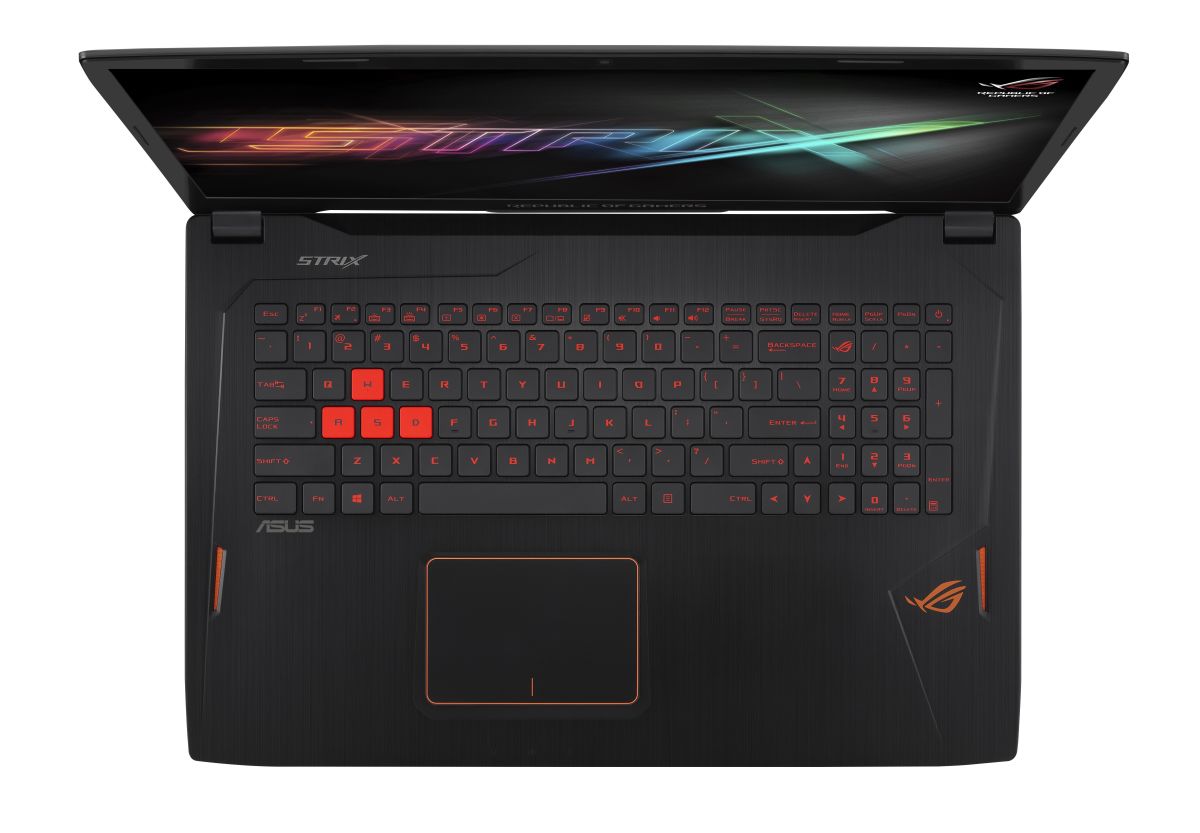
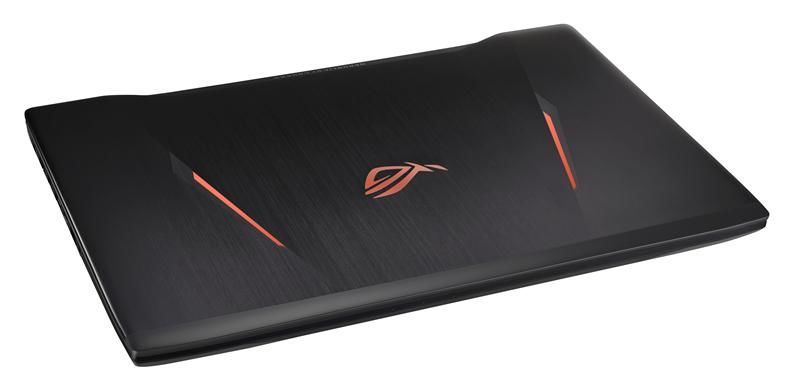

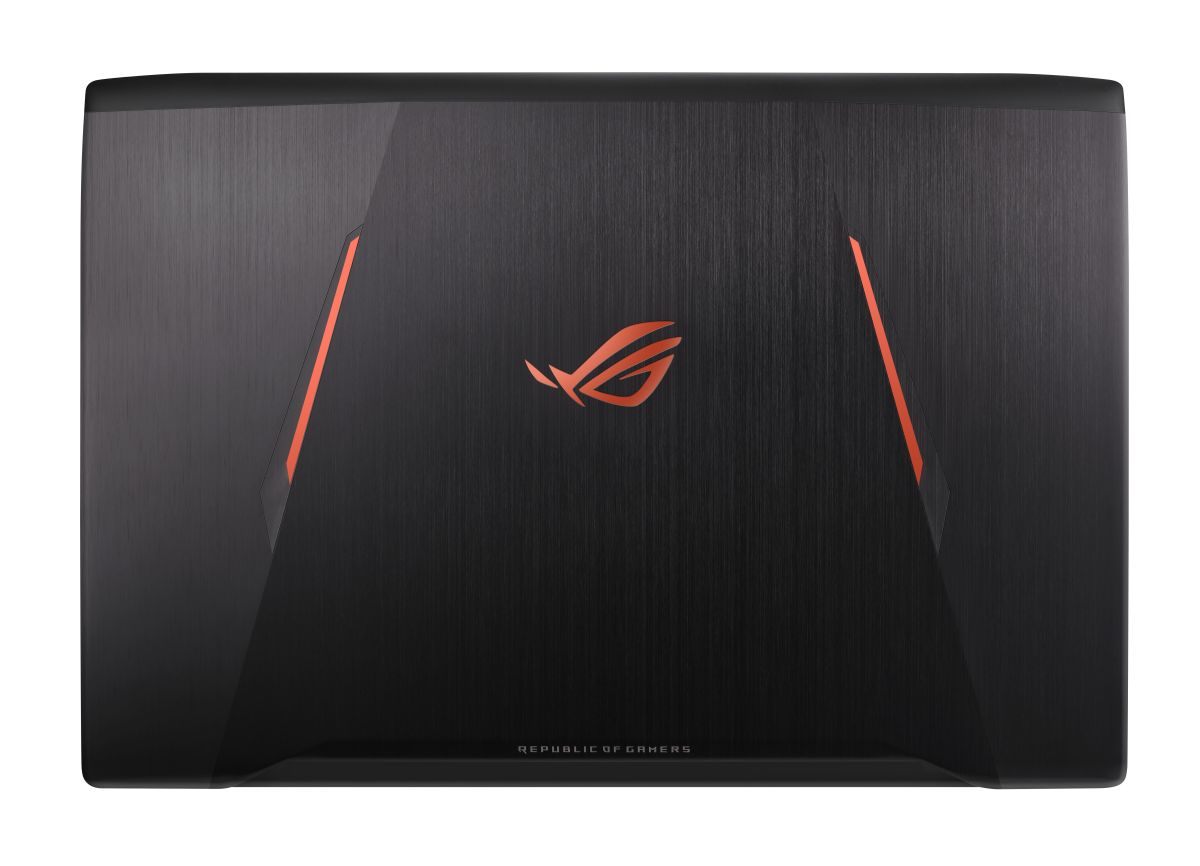
The ASUS ROG Strix GL702VM-DB71-HID7 laptop features two SO-DIMM slots for memory upgrades, supporting DDR4-SDRAM specifications. Maximum RAM capacity reaches 32 GB, with compatible modules operating at 2400 MHz frequency. The SO-DIMM form factor enables modular memory expansion, allowing users to upgrade from the original configuration by replacing or supplementing existing memory modules. Specifications indicate support for standard DDR4 memory compatible with the laptop's dual-slot architecture, accommodating memory upgrades up to the 32 GB maximum supported capacity.
Memory Upgrade Specifications
| Specification | Value |
|---|---|
| Memory slots | 2x SO-DIMM |
| Form factor | SO-DIMM |
| Memory type | DDR4-SDRAM |
| Frequency | 2400 MHz |
| Maximum RAM | 32 GB |
| Voltage | 1.2V |
| Number of pins | 260-pin |
| Interface | PC4 |
| PC Speed Rating | PC4-2400 (PC4-19200) |
| Bandwidth | 19.2 GB/s |
| Laptop Release date | 04 November 2017 |
Additional Notes
- Dual channel memory architecture requires installing matched pairs of modules to achieve maximum theoretical memory bandwidth.
- Physical chassis constraints necessitate the use of 260 pin SO-DIMM modules as desktop DIMM components will not fit the motherboard headers.
- The processor integrated memory controller dictates a 16 GB capacity limit per slot due to the 32 GB total motherboard ceiling.
- Installing modules with frequencies higher than 2400 MHz results in the system downclocking the RAM to match the firmware defined bus speed.
- Future memory expansions require the removal of existing modules because the system lacks empty secondary expansion banks.
- Mixing modules with different latency timings forces the system to operate at the slower common denominator which increases overall memory access time.
- Voltage compatibility requires 1.2V DDR4 modules to prevent thermal throttling or power delivery failure during high load scenarios.
- Non ECC unbuffered memory modules are required as the chipset lacks the parity logic needed for error correcting code server memory.