ASUS ROG GL702VS-GC066T RAM upgrade specifications
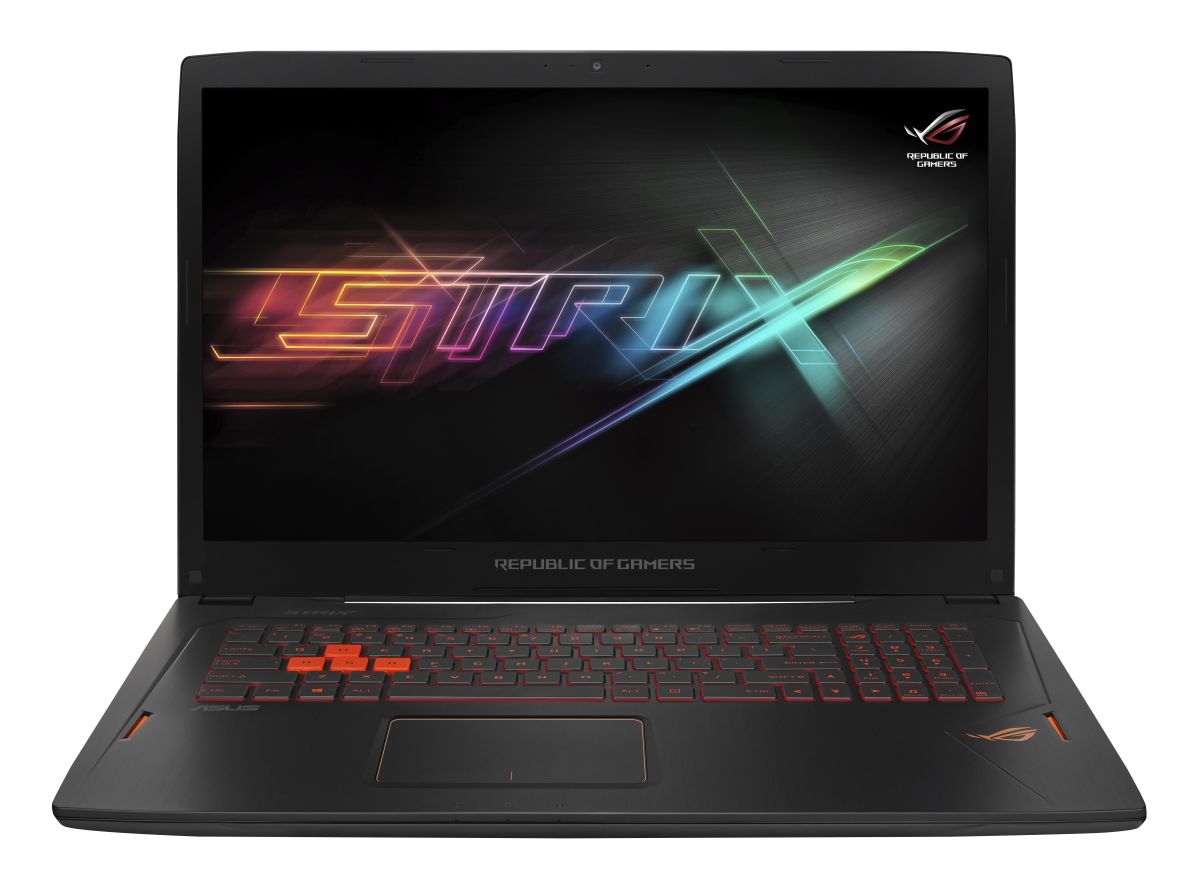

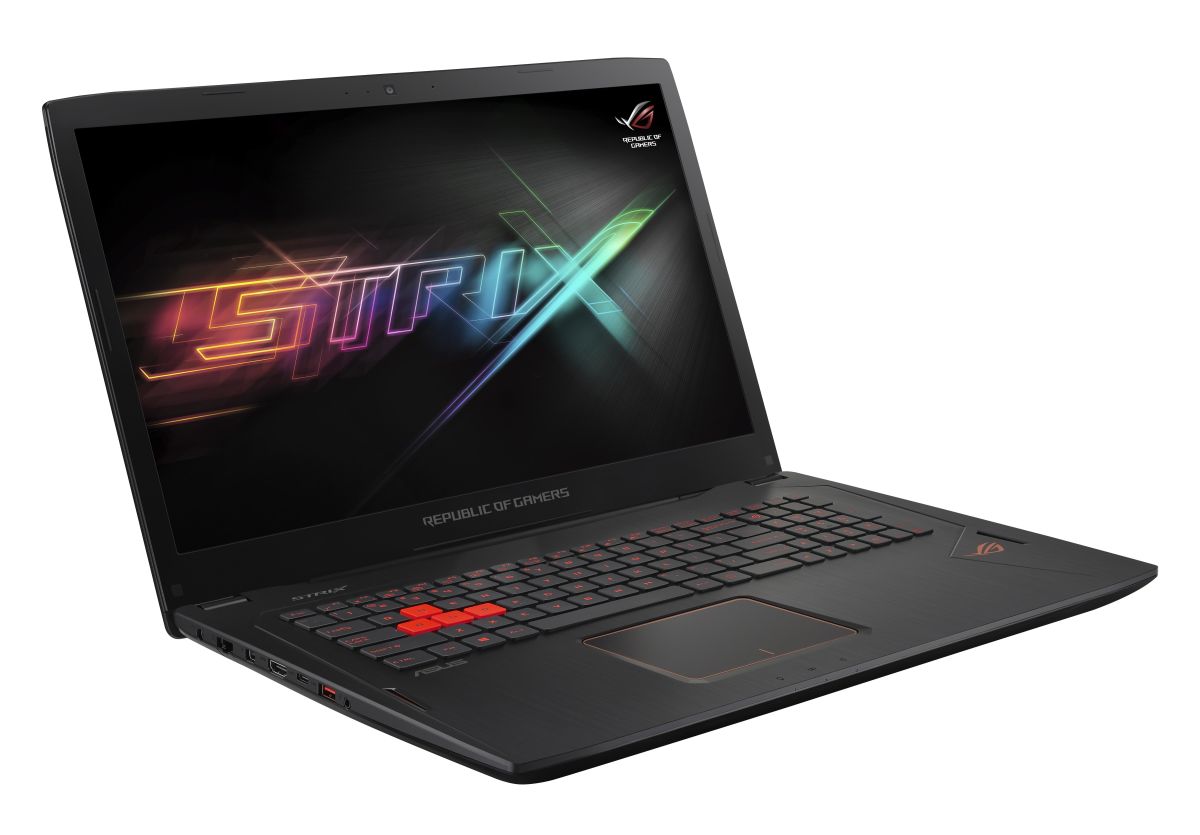


The ASUS ROG Strix GL702VS-GC066T laptop features two SO-DIMM slots supporting DDR4-SDRAM memory upgrades. Maximum RAM capacity reaches 32 GB total. The system operates at 2400 MHz frequency. Compatible memory modules utilize the SO-DIMM form factor for this gaming laptop model. Upgrade specifications indicate dual-slot configuration enabling modular memory expansion to achieve maximum supported capacity.
Memory Upgrade Specifications
| Specification | Value |
|---|---|
| Memory slots | 2x SO-DIMM |
| Form factor | SO-DIMM |
| Memory type | DDR4-SDRAM |
| Frequency | 2400 MHz |
| Maximum RAM | 32 GB |
| Voltage | 1.2V |
| Number of pins | 260-pin |
| Interface | PC4 |
| PC Speed Rating | PC4-2400 (PC4-19200) |
| Bandwidth | 19.2 GB/s |
| Laptop Release date | 19 October 2017 |
Additional Notes
- The 2 SO-DIMM slot configuration limits total capacity to 32 GB through two 16 GB modules, making single-slot upgrades impossible without discarding existing memory.
- DDR4-2400 represents the maximum validated frequency for this chipset generation, meaning higher-speed modules will downclock automatically to 2400 MHz regardless of their rated specifications.
- SO-DIMM form factor modules measure approximately 67.6 mm in length compared to standard 133.35 mm desktop DIMMs, requiring laptop-specific components that typically carry 15-30% price premiums.
- Dual-channel memory architecture requires matched pairs in both slots to achieve full theoretical bandwidth of 38.4 GB/s, while single-module configurations halve this throughput.
- Memory upgrades on ROG Strix models typically preserve manufacturer warranty when using JEDEC-compliant modules, though XMP/overclocked configurations may void coverage depending on regional policies.
- Access to memory slots on GL702VS chassis requires bottom panel removal, involving 10-12 Phillips-head screws and potential thermal paste reapplication if heatsink assembly obstructs slot access.
- The 32 GB ceiling reflects chipset addressing limitations rather than physical constraints, making future capacity expansion beyond this threshold impossible through memory upgrades alone.
- Mixing module capacities (8 GB + 16 GB) maintains dual-channel operation but forces both slots to match the smaller module's density for interleaved addressing, potentially underutilizing the larger module.
- CAS latency specifications (CL15-CL17 typical for DDR4-2400) directly impact frame pacing in GPU-bound scenarios, though differences remain within 2-3% performance variance for gaming workloads.
- Non-ECC unbuffered memory represents the only compatible configuration, as server-grade ECC SO-DIMMs will either fail POST or operate with error-correction disabled.