ASUS ROG GL703GE-GC053T RAM upgrade specifications




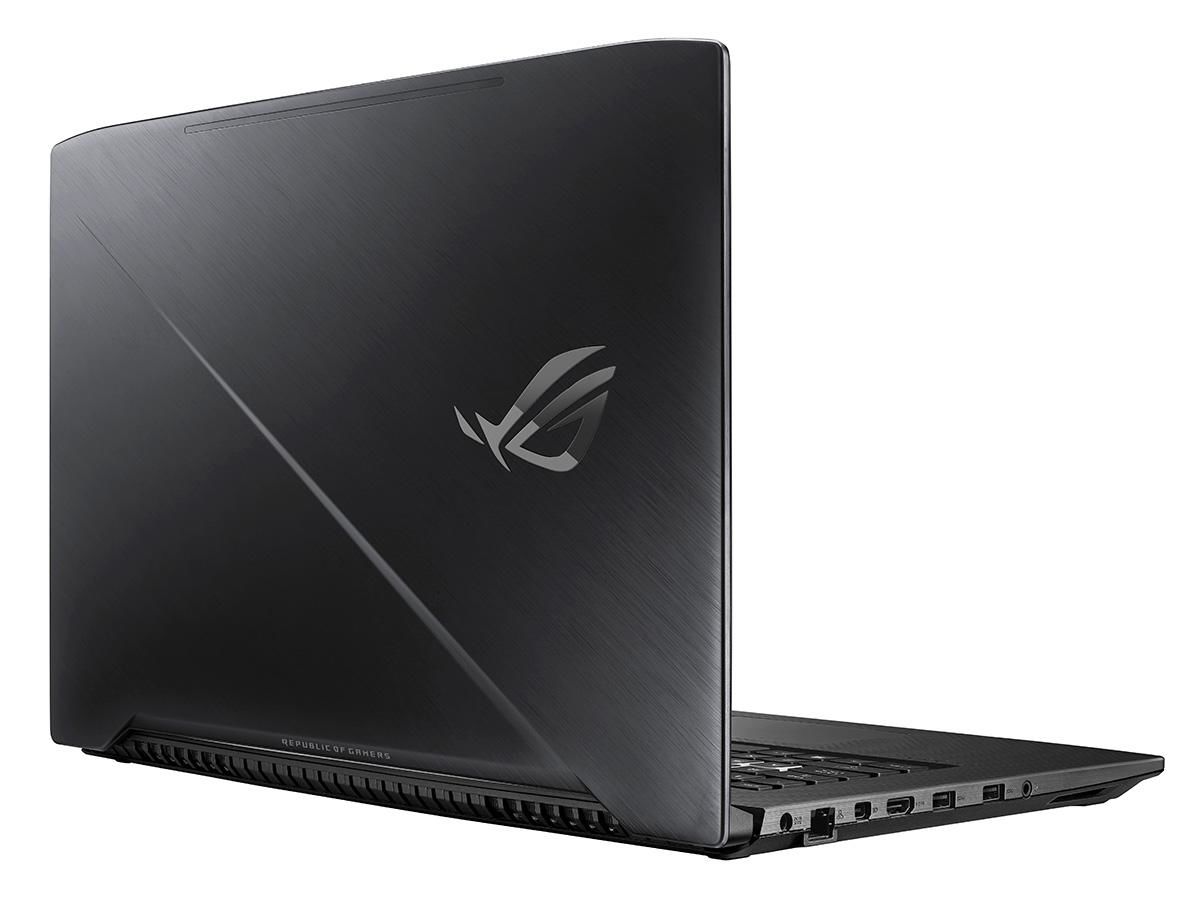
The ASUS ROG Strix GL703GE-GC053T gaming laptop features DDR4-SDRAM memory upgrade specifications with 2x SO-DIMM slots supporting maximum capacity of 32 GB total RAM. Memory operates at 2666 MHz frequency. Compatible RAM modules must utilize SO-DIMM form factor specifications for proper installation. Upgrade capability allows expansion from stock configuration to maximum supported memory capacity through replacement or addition of compatible DDR4 modules in available slots.
Memory Upgrade Specifications
| Specification | Value |
|---|---|
| Memory slots | 2x SO-DIMM |
| Form factor | SO-DIMM |
| Memory type | DDR4-SDRAM |
| Frequency | 2666 MHz |
| Maximum RAM | 32 GB |
| Voltage | 1.2V |
| Number of pins | 260-pin |
| Interface | PC4 |
| PC Speed Rating | PC4-2666 (PC4-21328) |
| Bandwidth | 21.3 GB/s |
| Laptop Release date | 02 February 2019 |
Additional Notes
- The ASUS ROG GL703GE-GC053T motherboard architecture limits total system memory to 32 GB, which means each SO-DIMM slot supports a maximum module density of 16 GB regardless of manufacturer claims for higher capacities.
- DDR4-2666 represents the highest validated frequency for this chipset generation, though modules rated at 3000 MHz or 3200 MHz will function through automatic downclocking to the 2666 MHz specification.
- The dual-channel configuration requires matching module specifications across both slots to avoid reverting to single-channel mode, which would halve memory bandwidth from 42.6 GB/s to 21.3 GB/s.
- SO-DIMM form factor modules measure 67.6 mm in length compared to standard desktop DIMM modules at 133.35 mm, making desktop memory physically incompatible with this notebook despite electrical similarities.
- Accessing both memory slots requires complete bottom panel removal on this chassis design, as one slot typically mounts beneath the keyboard assembly rather than through a dedicated service door.
- Mixed module capacities such as 8 GB plus 16 GB will operate successfully but force the controller to run the larger module's excess capacity in single-channel mode, reducing theoretical performance for that portion of memory.
- Non-ECC unbuffered modules represent the only compatible architecture, as registered or ECC memory types will either fail POST or refuse installation due to voltage and timing incompatibilities with mobile chipsets.
- Operating voltage must remain at the DDR4 standard of 1.2V, since higher-voltage enthusiast modules rated at 1.35V or 1.4V designed for overclocking lack support in notebook power delivery systems.
- CAS latency ratings between CL15 and CL19 at 2666 MHz produce negligible real-world performance differences in this platform, as the memory controller enforces JEDEC standard timings regardless of module XMP profiles.
- Warranty coverage typically remains intact for user-performed memory upgrades on this model series, though physical damage during installation or use of out-of-specification modules may void service agreements.