ASUS ROG GL704GM-EV054T RAM upgrade specifications
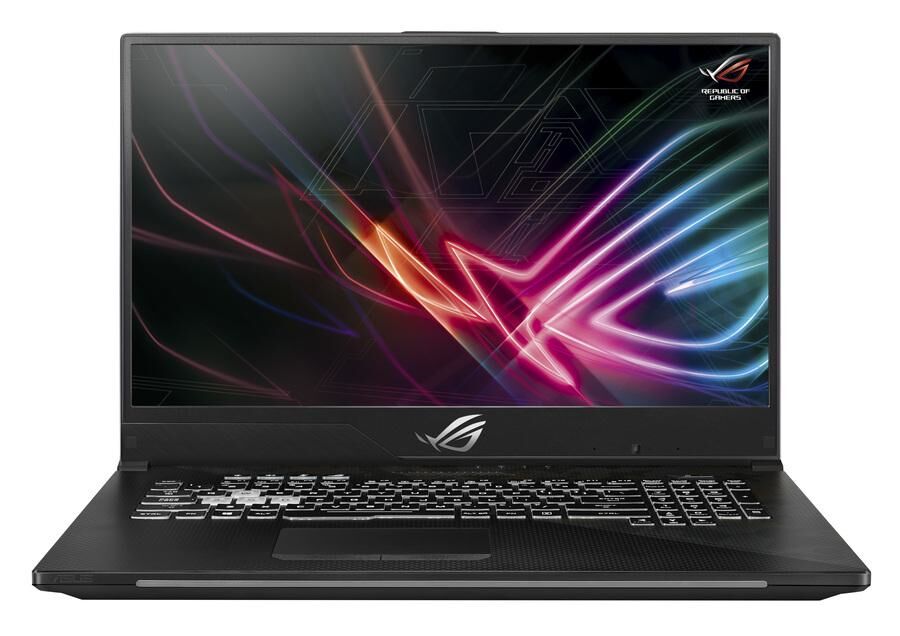



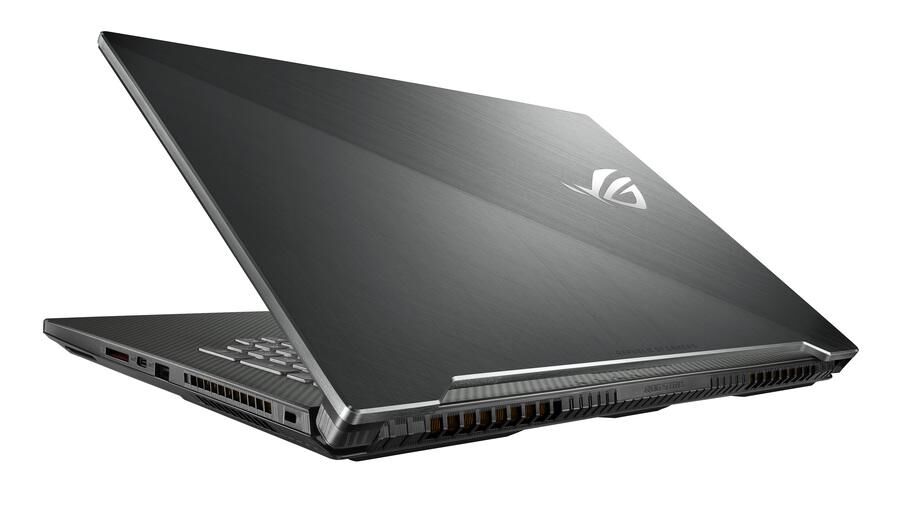
ASUS ROG Strix GL704GM-EV054T laptop features DDR4-SDRAM memory upgrade capacity with 2x SO-DIMM slots supporting maximum 32 GB total RAM. Compatible memory modules operate at 2666 MHz frequency. Specifications indicate the notebook accepts SO-DIMM form factor upgrades for enhanced system performance. Current memory configuration allows for expansion through compatible DDR4 modules installed in available slots.
Memory Upgrade Specifications
| Specification | Value |
|---|---|
| Memory slots | 2x SO-DIMM |
| Form factor | SO-DIMM |
| Memory type | DDR4-SDRAM |
| Frequency | 2666 MHz |
| Maximum RAM | 32 GB |
| Voltage | 1.2V |
| Number of pins | 260-pin |
| Interface | PC4 |
| PC Speed Rating | PC4-2666 (PC4-21328) |
| Bandwidth | 21.3 GB/s |
| Laptop Release date | 13 November 2019 |
Additional Notes
- The ASUS ROG GL704GM-EV054T supports individual modules up to 16 GB capacity per slot, which is typical for dual-channel configurations reaching the 32 GB ceiling.
- DDR4-2666 operates at PC4-21300 specification with a theoretical bandwidth of 21.3 GB/s per channel, totaling 42.6 GB/s in dual-channel mode when both slots are populated with matched modules.
- The SO-DIMM form factor physically measures 67.6 mm in length compared to standard DIMM modules, preventing installation of desktop memory despite identical electrical specifications.
- Mixing modules of different speeds will force all RAM to operate at the lowest common frequency, potentially downclocking faster 3200 MHz modules to the 2666 MHz specification supported by the chipset.
- Single module installations will disable dual-channel operation, effectively halving memory bandwidth and potentially creating performance bottlenecks in graphics-intensive applications that rely on integrated memory controllers.
- DDR4 voltage compatibility is standardized at 1.2V for this frequency tier, though aftermarket modules rated for XMP profiles may default to higher voltages that require BIOS adjustment.
- The 260-pin SO-DIMM contact design is mechanically incompatible with 204-pin DDR3 SO-DIMM modules, preventing accidental installation of older generation memory.
- CAS latency timings at this frequency typically range from CL17 to CL19, with tighter timings providing marginal performance improvements of 2-4% in memory-sensitive workloads.
- Non-ECC unbuffered modules are required for consumer laptop platforms, as registered or error-correcting variants will fail POST diagnostics or remain unrecognized by the memory controller.
- Thermal considerations become relevant beyond 2933 MHz speeds, though the 2666 MHz specification generates minimal heat that standard laptop cooling systems handle without thermal throttling.