ASUS ROG GL704GM-EV069T RAM upgrade specifications
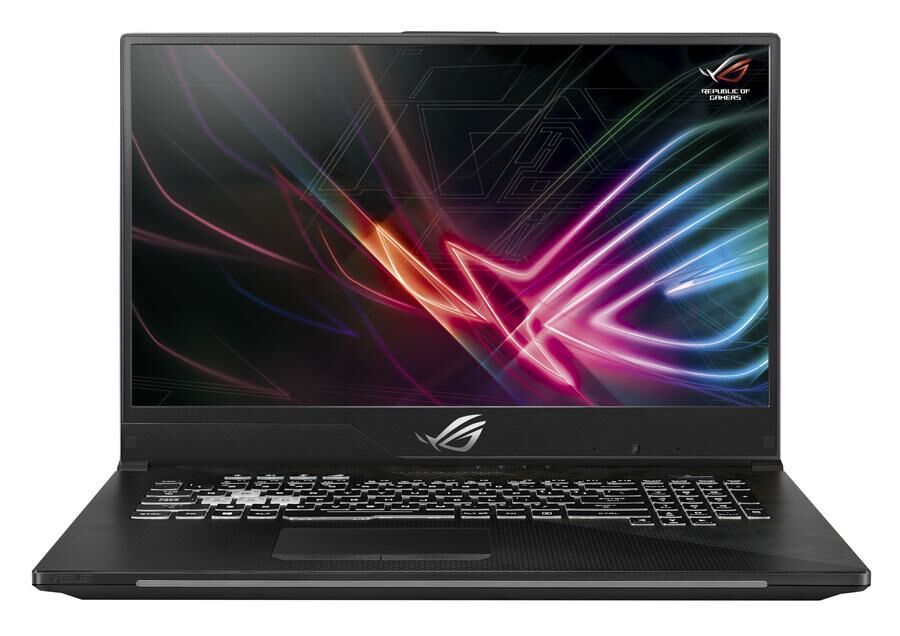

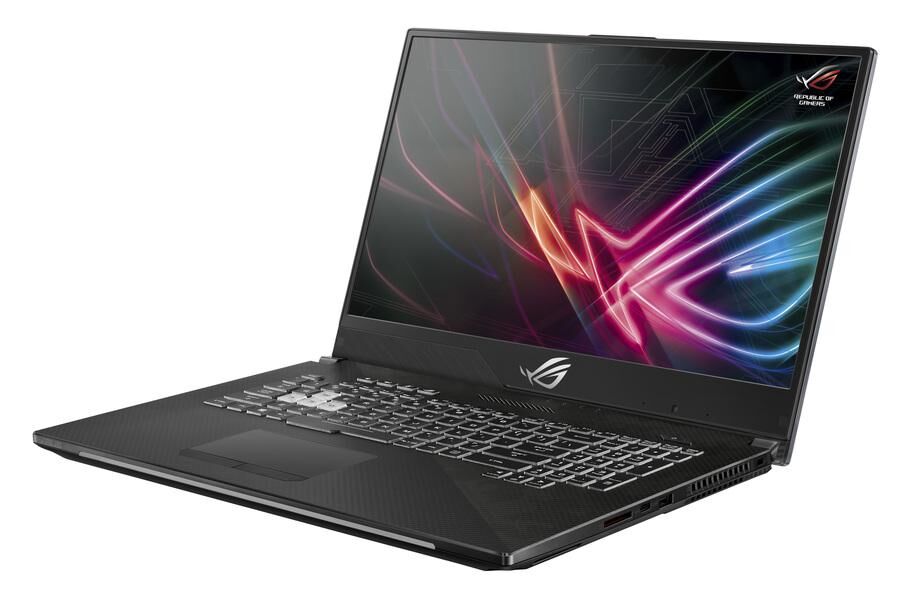

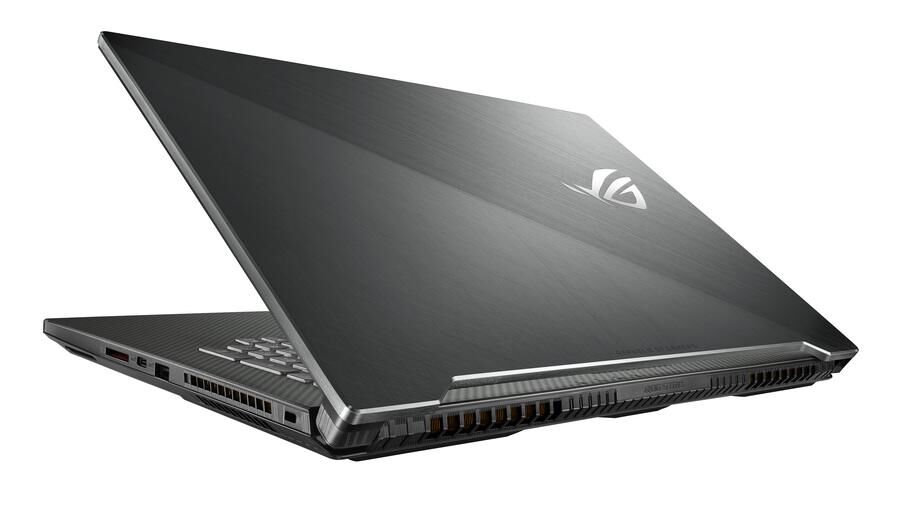
The ASUS ROG Strix GL704GM-EV069T features DDR4-SDRAM memory specifications with two SO-DIMM slots available for upgrade. The laptop supports a maximum RAM capacity of 32 GB, with compatible modules operating at 2666 MHz frequency. Each slot accepts SO-DIMM form factor memory modules, enabling users to expand the system's memory capacity for enhanced performance. Specifications indicate the device accommodates up to 16 GB per slot, providing flexibility for memory configurations and system upgrades.
Memory Upgrade Specifications
| Specification | Value |
|---|---|
| Memory slots | 2x SO-DIMM |
| Form factor | SO-DIMM |
| Memory type | DDR4-SDRAM |
| Frequency | 2666 MHz |
| Maximum RAM | 32 GB |
| Voltage | 1.2V |
| Number of pins | 260-pin |
| Interface | PC4 |
| PC Speed Rating | PC4-2666 (PC4-21328) |
| Bandwidth | 21.3 GB/s |
| Laptop Release date | 13 November 2019 |
Additional Notes
- The ASUS ROG GL704GM-EV069T dual-slot configuration requires paired modules for optimal dual-channel bandwidth, as single-module installations will halve memory throughput even if total capacity remains unchanged.
- The 32 GB ceiling imposes a 16 GB per-slot maximum, eliminating compatibility with higher-density 32 GB individual modules that physically fit but exceed chipset addressing limits.
- DDR4-2666 represents JEDEC standardized timing, meaning modules rated at higher frequencies will automatically downclock unless manual XMP profile activation is attempted, though manufacturer support for overclocking profiles typically voids warranty coverage on prebuilt systems.
- SO-DIMM physical dimensions mandate laptop-specific modules rather than desktop DIMM variants, as pin count and length differences prevent cross-compatibility despite identical voltage and generation specifications.
- Mixed-capacity configurations, such as pairing 8 GB with 16 GB modules, will activate dual-channel mode only for the matched lower capacity portion while relegating excess memory to slower single-channel operation.
- Thermal constraints in 17-inch chassis designs typically allow simultaneous population of both slots without active cooling degradation, unlike compact ultrabooks where dual-module heat accumulation can trigger throttling.
- Third-party modules require voltage matching at 1.2V standard for DDR4, as low-voltage or performance variants operating outside this specification may cause POST failures or undetected capacity despite physical installation.
- Factory-installed modules often lack heat spreaders due to clearance restrictions, meaning aftermarket replacements with tall heat sinks risk interference with keyboard assemblies or bottom panel closure.
- Upgrading from single-rank to dual-rank modules at identical frequency and capacity may marginally improve memory interleaving performance, though compatibility depends on memory controller flexibility rather than slot architecture.
- Warranty-preserved upgrades necessitate preserving original modules for potential service scenarios, as some manufacturers void coverage when detecting non-certified memory configurations during diagnostic procedures.