ASUS ROG GL704GM-EV078T RAM upgrade specifications
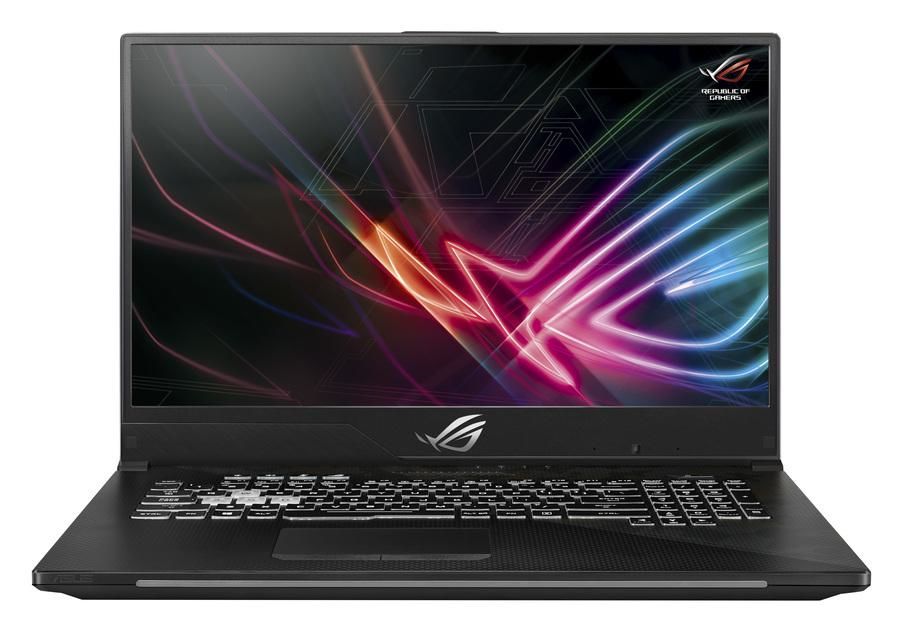
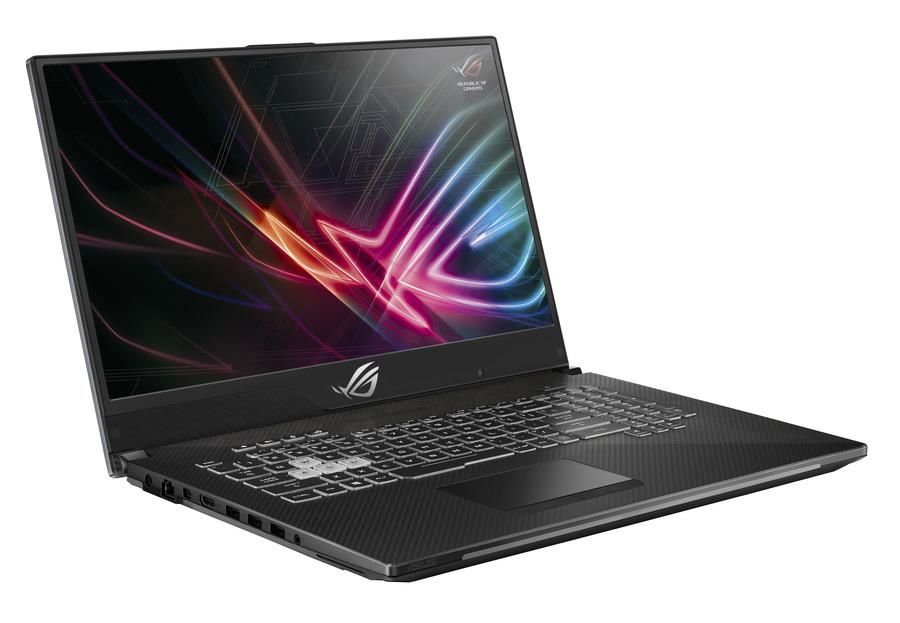
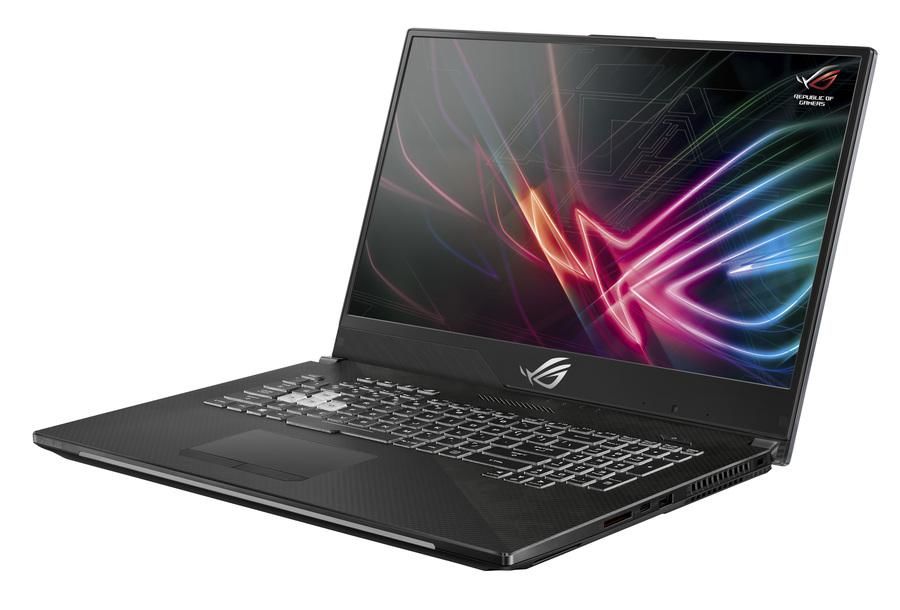

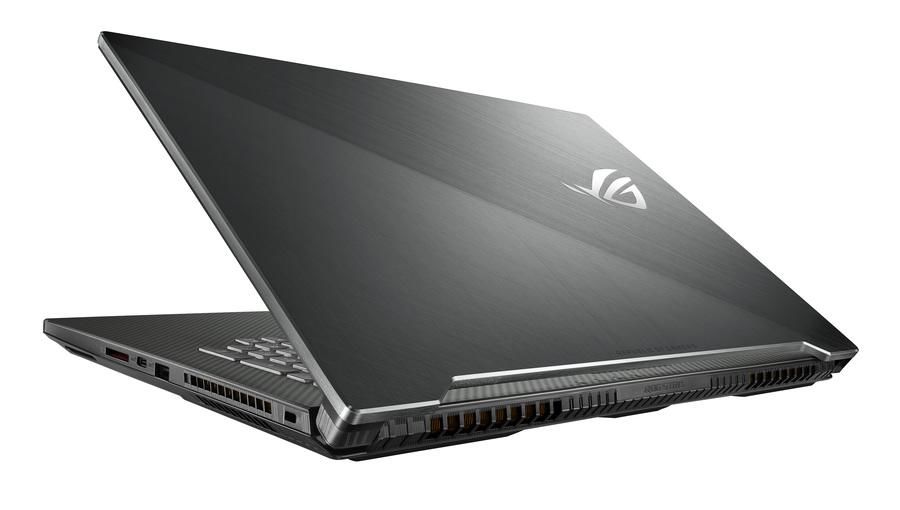
ASUS ROG Strix GL704GM-EV078T RAM upgrade specifications: The laptop features DDR4-SDRAM memory with 2x SO-DIMM slots for expansion. Maximum compatible RAM capacity reaches 32 GB total. Memory operates at 2666 MHz frequency. SO-DIMM form factor modules are required for upgrades. Specifications enable users to expand system memory beyond factory configuration for enhanced multitasking performance and applications requiring increased RAM allocation.
Memory Upgrade Specifications
| Specification | Value |
|---|---|
| Memory slots | 2x SO-DIMM |
| Form factor | SO-DIMM |
| Memory type | DDR4-SDRAM |
| Frequency | 2666 MHz |
| Maximum RAM | 32 GB |
| Voltage | 1.2V |
| Number of pins | 260-pin |
| Interface | PC4 |
| PC Speed Rating | PC4-2666 (PC4-21328) |
| Bandwidth | 21.3 GB/s |
| Laptop Release date | 17 November 2018 |
Additional Notes
- The ASUS ROG GL704GM-EV078T implements a dual-channel memory architecture that requires matched module pairs to achieve optimal bandwidth, as single-module configurations will operate in reduced-performance single-channel mode.
- The 32 GB maximum capacity limitation stems from chipset and BIOS restrictions rather than physical slot constraints, preventing recognition of higher-density modules even if physically compatible.
- DDR4-2666 represents the JEDEC-specified speed ceiling for this platform, meaning modules rated at 3000 MHz or higher will automatically downclock to 2666 MHz without manual intervention.
- SO-DIMM form factor compatibility excludes standard desktop DIMM modules due to different pin counts and physical dimensions, requiring laptop-specific components for any upgrade.
- Mixing modules with different speeds will force all installed memory to operate at the frequency of the slowest module, creating a performance bottleneck if pairing 2666 MHz with lower-rated RAM.
- The dual-slot configuration limits upgrade paths to either replacing existing modules entirely or adding a second module if only one slot is populated, with no option for incremental expansion beyond 2 slots.
- Voltage specifications for DDR4 SO-DIMM modules must match the standard 1.2V requirement, as higher-voltage enthusiast modules designed for overclocking may cause stability issues or boot failures.
- CAS latency variations between modules in a matched pair can introduce timing conflicts, though the memory controller will typically default to the slower timing profile to maintain stability.
- Access to memory slots on this chassis typically requires bottom panel removal and possible warranty seal breakage, making upgrades a user-serviceable operation with potential warranty implications depending on regional regulations.
- Non-ECC unbuffered modules are required for consumer laptop platforms, as registered or error-correcting memory types designed for servers will not initialize properly in this configuration.