ASUS ROG GL704GW-EV002T RAM upgrade specifications
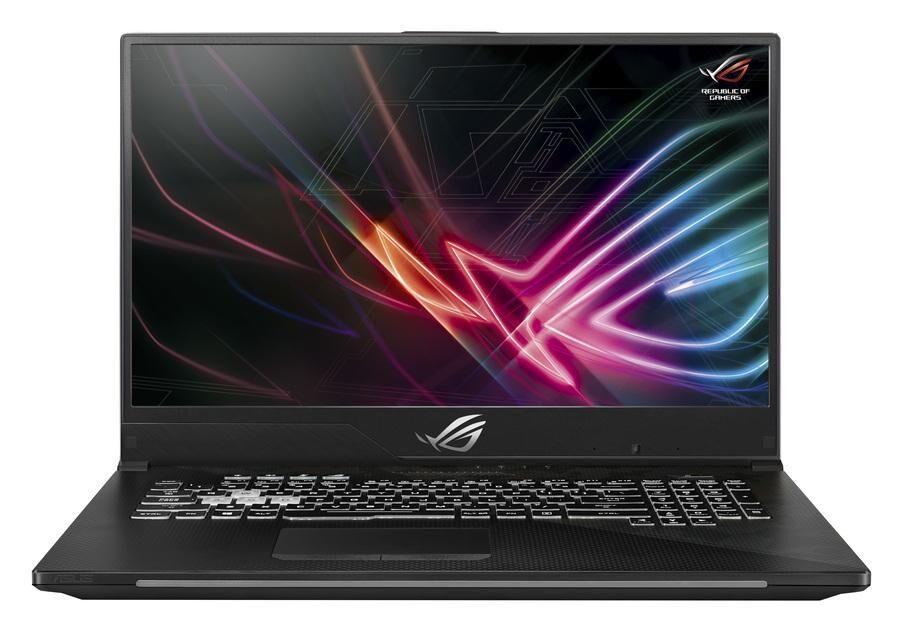


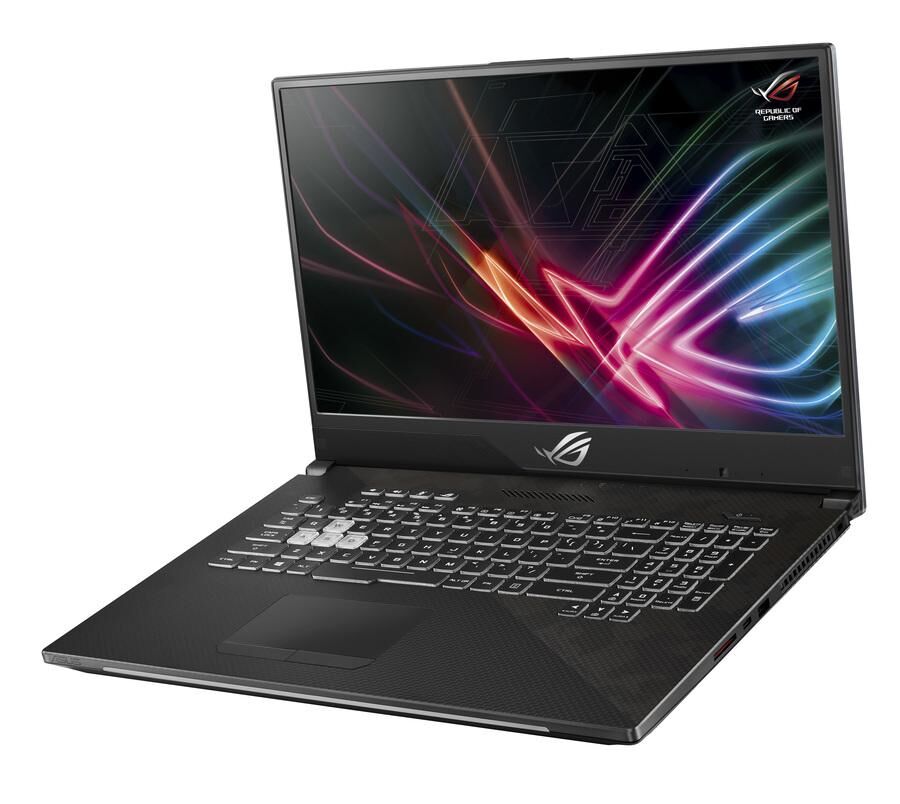

ASUS ROG Strix GL704GW-EV002T laptop memory upgrade specifications include DDR4-SDRAM support with 2x SO-DIMM slots for a maximum RAM capacity of 32 GB total. Compatible memory modules operate at 2666 MHz frequency using SO-DIMM form factor. Upgrade slots accommodate standard laptop memory specifications for enhanced system performance and multitasking capability.
Memory Upgrade Specifications
| Specification | Value |
|---|---|
| Memory slots | 2x SO-DIMM |
| Form factor | SO-DIMM |
| Memory type | DDR4-SDRAM |
| Frequency | 2666 MHz |
| Maximum RAM | 32 GB |
| Voltage | 1.2V |
| Number of pins | 260-pin |
| Interface | PC4 |
| PC Speed Rating | PC4-2666 (PC4-21328) |
| Bandwidth | 21.3 GB/s |
| Laptop Release date | 24 January 2019 |
Additional Notes
- The ASUS ROG GL704GW-EV002T supports DDR4-2666 memory exclusively, which operates at a lower frequency tier than mainstream DDR4-3000 and DDR4-3200 modules. Installing faster memory will downclock to 2666 MHz, resulting in no performance gain while increasing cost unnecessarily.
- With 2 SO-DIMM slots and a 32 GB ceiling, maximum capacity requires 16 GB modules per slot. Upgrading from factory configuration demands removal of existing modules, as there are no available slots for additive expansion.
- SO-DIMM form factor memory occupies significantly less physical space than standard DIMM modules. This constraint reflects the laptop's compact design philosophy and limits third-party RAM sourcing to mobile-specific inventory, which typically carries higher per-gigabyte pricing than desktop equivalents.
- DDR4-2666 specification indicates this device predates the DDR4-3000+ mainstream adoption period. Legacy frequency support narrows compatible module selection to older stock or specialty retailers, potentially extending procurement timelines compared to contemporary DDR4-3200 systems.
- Warranty implications depend on manufacturer policy, but ASUS typically permits RAM upgrades using official specifications without voiding coverage. Cross-referencing upgrade documentation before purchase prevents accidental specification mismatch that could trigger warranty denial.