ASUS ROG GL704GW-EV005T-BE Scar II RAM upgrade specifications
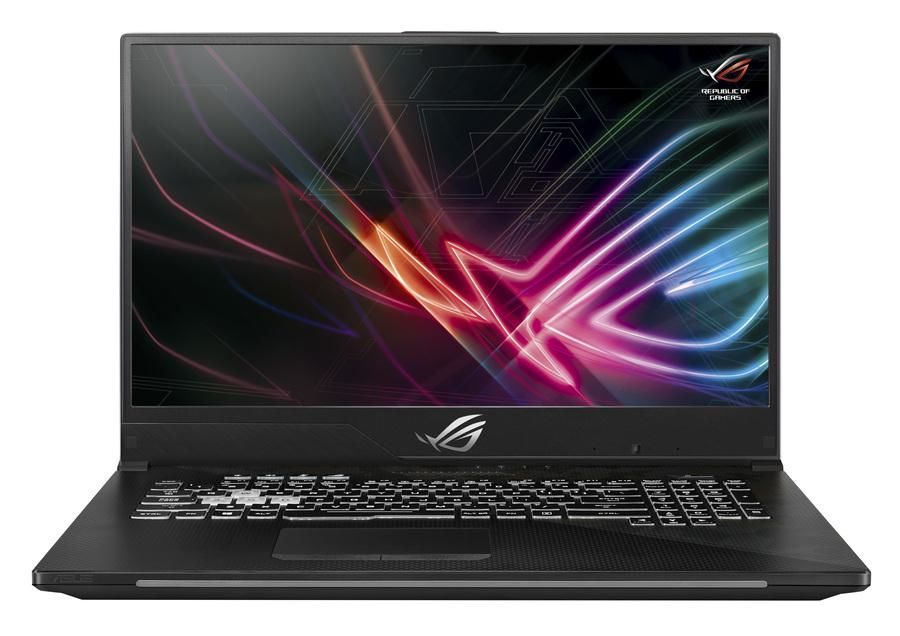
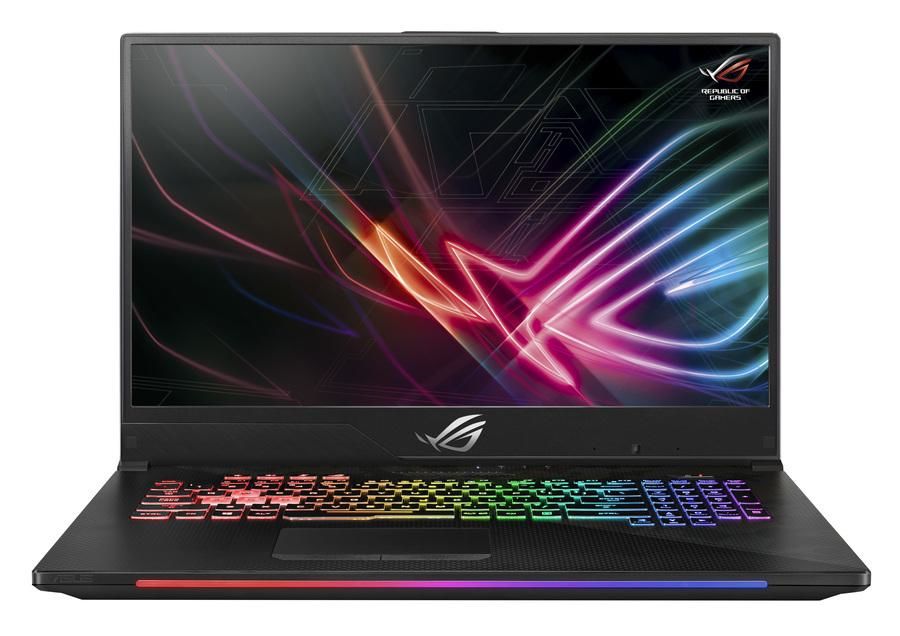
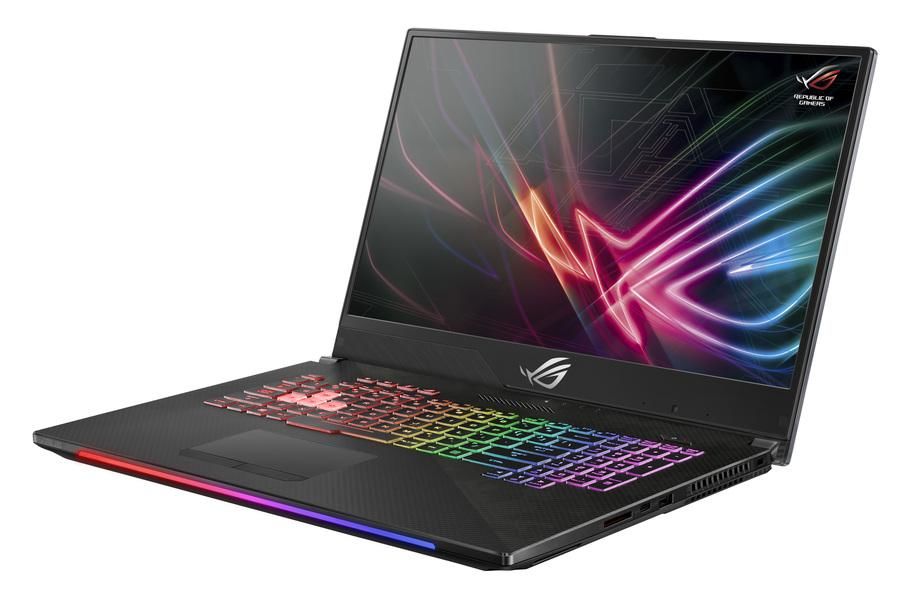
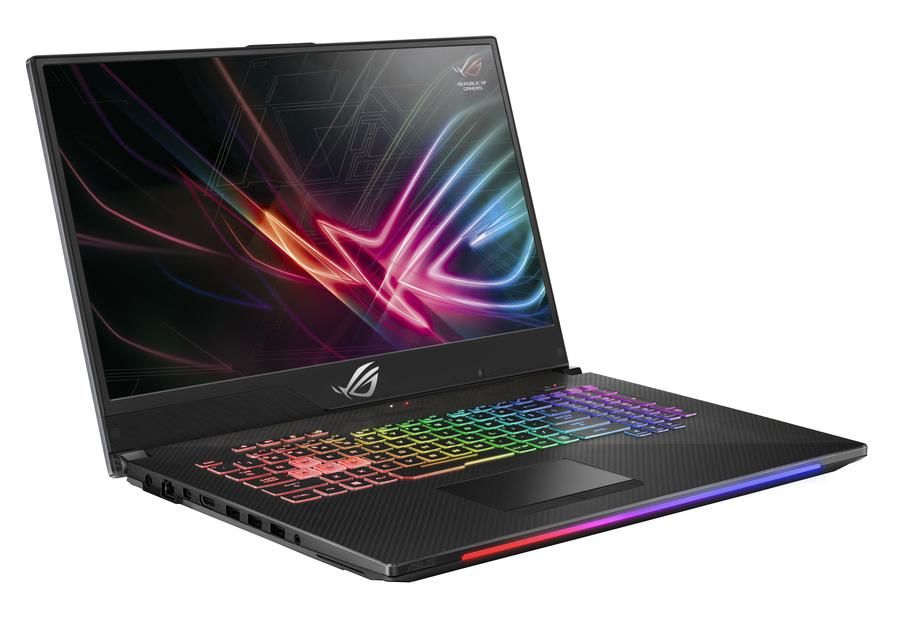
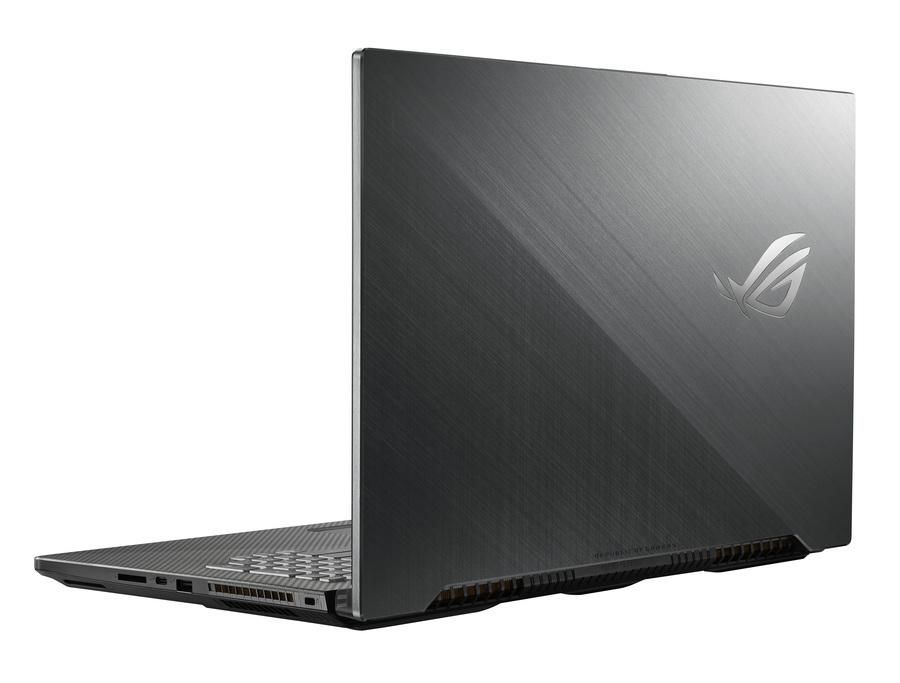
The ASUS ROG Strix GL704GW-EV005T-BE Scar II laptop features DDR4-SDRAM memory upgrade specifications with 2x SO-DIMM slots supporting maximum RAM capacity of 32 GB. Compatible memory modules operate at 2666 MHz frequency. The SO-DIMM form factor specifications define the upgrade slots available for this gaming laptop model's memory expansion and configuration.
Memory Upgrade Specifications
| Specification | Value |
|---|---|
| Memory slots | 2x SO-DIMM |
| Form factor | SO-DIMM |
| Memory type | DDR4-SDRAM |
| Frequency | 2666 MHz |
| Maximum RAM | 32 GB |
| Voltage | 1.2V |
| Number of pins | 260-pin |
| Interface | PC4 |
| PC Speed Rating | PC4-2666 (PC4-21328) |
| Bandwidth | 21.3 GB/s |
| Laptop Release date | 18 December 2018 |
Additional Notes
- The 32 GB ceiling represents a per-slot limitation of 16 GB modules, as dual-channel SO-DIMM configurations require matched density across both slots for optimal stability.
- The ASUS ROG GL704GW-EV005T-BE Scar II's 2666 MHz specification represents the maximum validated speed for this platform, meaning higher-frequency modules will downclock to this threshold regardless of their rated capability.
- SO-DIMM DDR4 operates at 1.2V standard voltage, eliminating low-voltage compatibility concerns that existed in DDR3L transitions but requiring verification that modules meet JEDEC specifications rather than XMP-only profiles.
- Dual-channel architecture depends on symmetrical population, meaning a single module will halve memory bandwidth regardless of capacity, creating measurable performance degradation in GPU-intensive workloads that rely on shared system memory.
- The absence of quad-channel support means bandwidth tops out at 42.6 GB/s theoretical maximum with both slots populated, creating potential bottlenecks in professional applications designed for workstation-class memory subsystems.
- Warranty preservation requires avoiding physical damage to the retention clips during installation, as SO-DIMM mechanisms differ from desktop DIMM ejection angles and require outward pressure rather than downward release.
- Non-ECC unbuffered modules are the only compatible type for this consumer platform, as registered or ECC SO-DIMMs will either fail POST or operate without error correction despite physical installation success.
- Mixing module densities across slots remains technically possible but forces the system into flex mode operation, where only the matched capacity range operates in dual-channel while excess capacity on the larger module defaults to slower single-channel access.
- Thermal considerations become relevant above 16 GB configurations during sustained workloads, as higher-density modules generate additional heat in the confined SO-DIMM slot area adjacent to primary thermal zones.