ASUS ROG GX650PY-XS97 RAM upgrade specifications




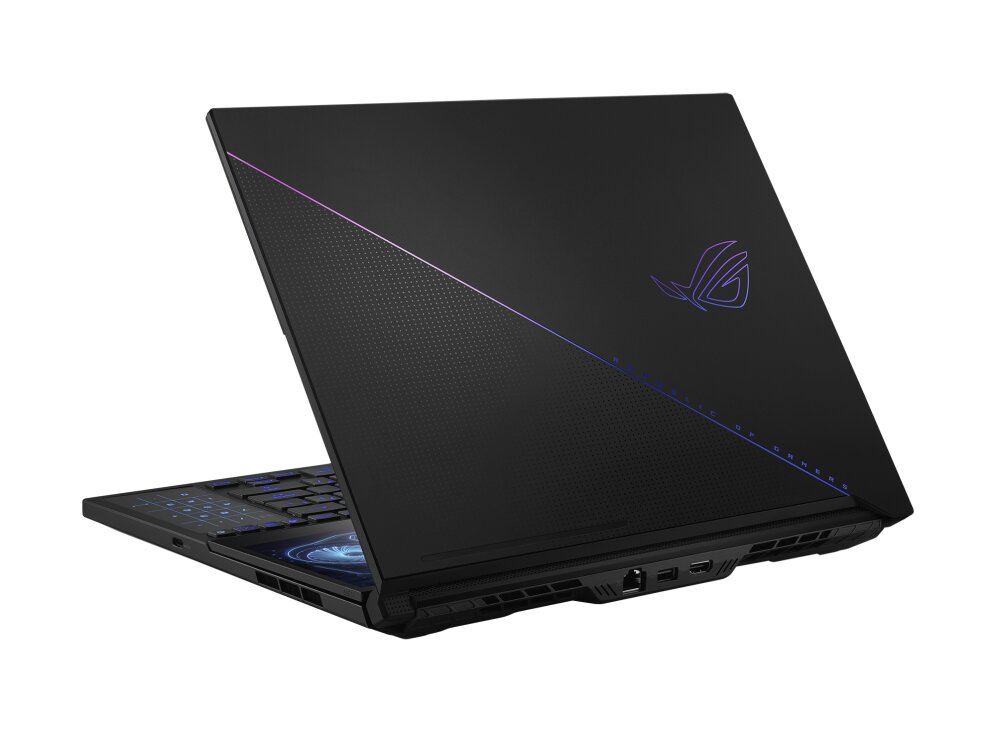
The ASUS ROG Zephyrus Duo 16 GX650PY-XS97 features DDR5-SDRAM memory upgrade specifications with 2x SO-DIMM slots supporting a maximum RAM capacity of 64 GB. Compatible memory modules operate at 4800 MHz frequency with SO-DIMM form factor. Upgrade options allow for expanded memory capacity to enhance system performance and multitasking capabilities on this gaming laptop model.
Memory Upgrade Specifications
| Specification | Value |
|---|---|
| Memory slots | 2x SO-DIMM |
| Form factor | SO-DIMM |
| Memory type | DDR5-SDRAM |
| Frequency | 4800 MHz |
| Maximum RAM | 64 GB |
| Voltage | 1.1V |
| Number of pins | 262-pin |
| Interface | PC5 |
| PC Speed Rating | PC5-4800 (PC5-38400) |
| Bandwidth | 38.4 GB/s |
| Laptop Release date | 10 February 2023 |
Additional Notes
- The ASUS ROG GX650PY-XS97 architecture limits total system memory to 64 GB due to chipset or processor memory controller constraints, preventing installation of higher-capacity configurations even if physically compatible modules exist.
- SO-DIMM form factor requirement restricts module selection to laptop-specific memory, which typically carries 15-30% price premium compared to desktop DIMM equivalents at identical specifications.
- DDR5-SDRAM compatibility eliminates backward compatibility with DDR4 modules, as the technologies use different keying notches, voltage requirements (1.1V versus 1.2V), and signaling protocols.
- The 2-slot configuration requires replacing existing modules rather than adding supplementary memory when upgrading, potentially creating unused legacy modules if partial upgrades are attempted.
- 4800 MHz represents the base JEDEC specification for DDR5, leaving substantial headroom for performance gains through modules rated at 5200 MHz, 5600 MHz, or higher if the memory controller supports XMP/EXPO profiles.
- Dual-channel operation across 2 SO-DIMM slots necessitates matched pairs for optimal bandwidth utilization, as mismatched modules may force the controller into single-channel mode or lower-frequency synchronization.
- DDR5 architecture with on-module voltage regulation (PMIC) creates temperature sensitivity that may trigger thermal throttling in confined laptop chassis under sustained workloads, particularly with high-frequency modules.
- Maximum 64 GB ceiling translates to 32 GB per module limit, which represents current density boundaries for SO-DIMM packages and may require waiting for future manufacturing nodes to exceed this threshold.
- Warranty considerations typically allow user-accessible memory upgrades without seal breakage, though verification of specific manufacturer policies prevents accidental coverage voidance during installation.
- Non-ECC specification in consumer DDR5 SO-DIMM modules means the system lacks error correction capabilities present in workstation-grade memory, trading cost savings for potential data integrity vulnerability under bit-flip scenarios.