ASUS ROG GX650PZ-014W RAM upgrade specifications




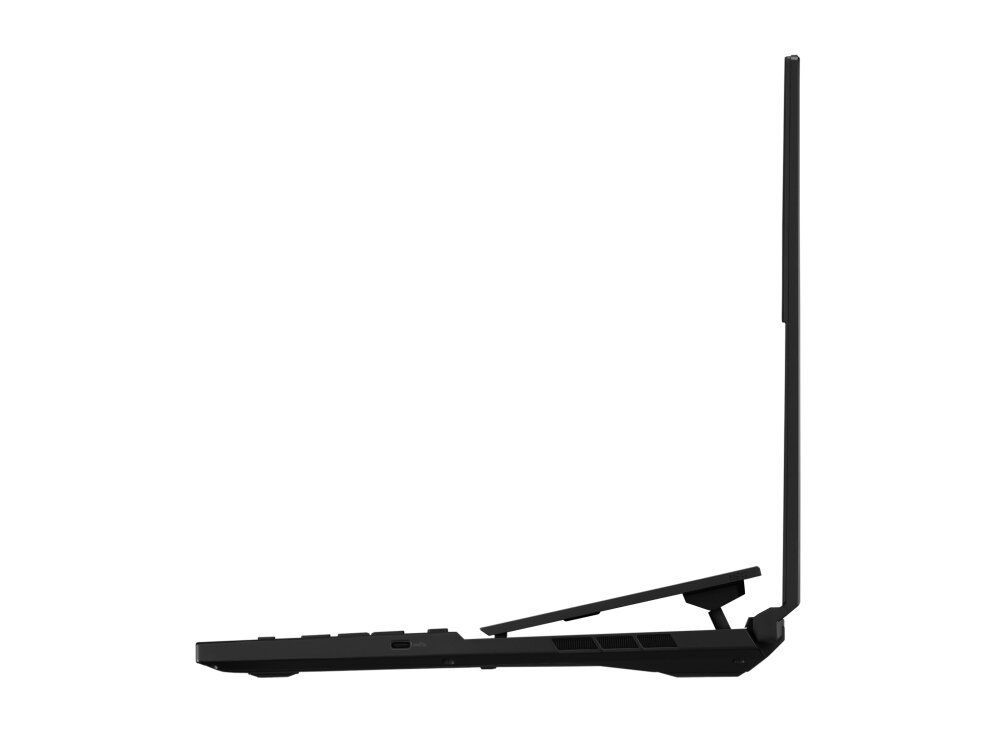
ASUS ROG Zephyrus Duo 16 model GX650PZ-014W supports DDR5-SDRAM memory upgrades with 2x SO-DIMM slots. Maximum RAM capacity reaches 64 GB total. Memory specifications include DDR5 operating at 4800 MHz frequency. Upgrade compatibility requires SO-DIMM form factor modules. Current memory configuration allows for dual-channel memory architecture expansion within the specified capacity constraints and frequency specifications.
Memory Upgrade Specifications
| Specification | Value |
|---|---|
| Memory slots | 2x SO-DIMM |
| Form factor | SO-DIMM |
| Memory type | DDR5-SDRAM |
| Frequency | 4800 MHz |
| Maximum RAM | 64 GB |
| Voltage | 1.1V |
| Number of pins | 262-pin |
| Interface | PC5 |
| PC Speed Rating | PC5-4800 (PC5-38400) |
| Bandwidth | 38.4 GB/s |
| Laptop Release date | 18 April 2023 |
Additional Notes
- The ASUS ROG GX650PZ-014W utilizes SO-DIMM slots rather than full-size DIMMs, requiring physically smaller memory modules with 260 pins instead of the standard desktop 288-pin configuration.
- DDR5 modules operate with a native voltage of 1.1V compared to DDR4's 1.2V, necessitating motherboard-level voltage regulation that prevents backward compatibility with any DDR4 SO-DIMM.
- The 64 GB maximum capacity constraint limits each SO-DIMM slot to 32 GB modules, as higher-density 48 GB or 64 GB single modules may not initialize properly even if physically compatible.
- Memory operating at 4800 MHz represents JEDEC baseline speed for DDR5, meaning faster XMP or EXPO-rated modules will downclock to this frequency unless BIOS settings explicitly enable overclocked profiles.
- The dual-channel architecture through 2 SO-DIMM slots requires matched pairs for optimal bandwidth, as mismatched module capacities or speeds will force both channels to operate at the lowest common denominator.
- DDR5's on-DIMM PMIC (power management integrated circuit) places voltage regulation directly on each memory module, creating potential thermal interactions with neighboring components in the confined laptop chassis.
- Modules exceeding JEDEC-standard height specifications risk physical interference with the keyboard assembly or thermal solutions, particularly with RGB-equipped or heatsink-equipped SO-DIMMs marketed for gaming laptops.
- The system's dual-rank configuration preference means two single-rank 32 GB modules may deliver different latency characteristics than one dual-rank 32 GB module paired with an empty slot.
- Memory replacement typically requires complete disassembly of the bottom panel, with warranty seals potentially voiding manufacturer coverage depending on regional consumer protection regulations.
- DDR5's improved error correction through on-die ECC operates independently of system-level ECC support, providing background data integrity without BIOS configuration but without logging capabilities.