ASUS ROG GX650PY-R97D49PB1 RAM upgrade specifications


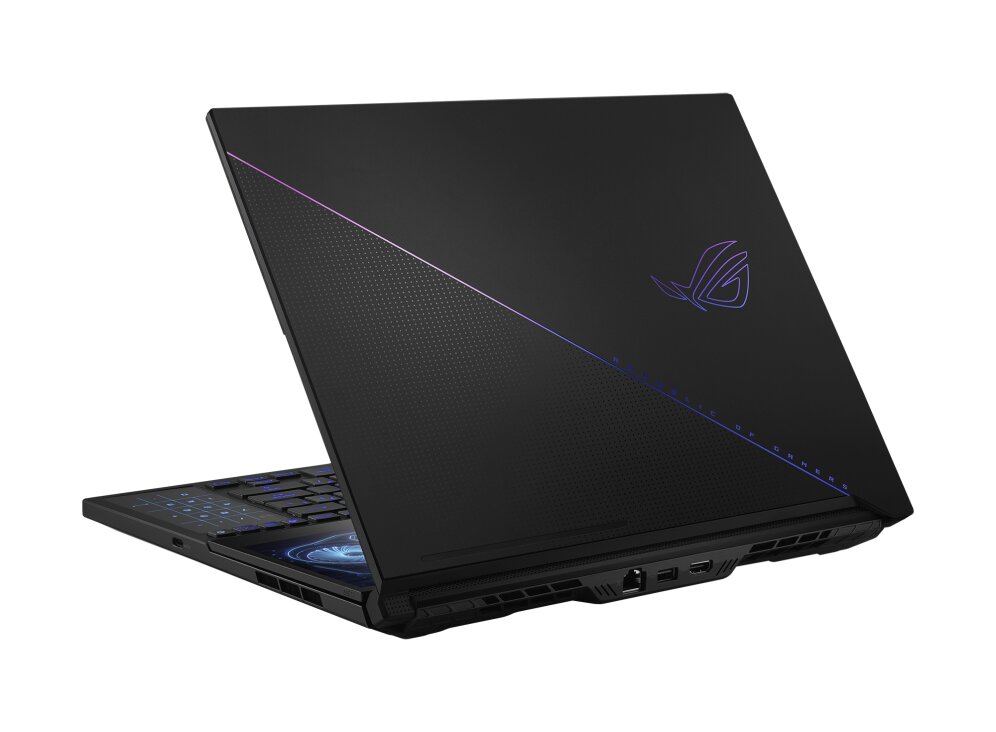

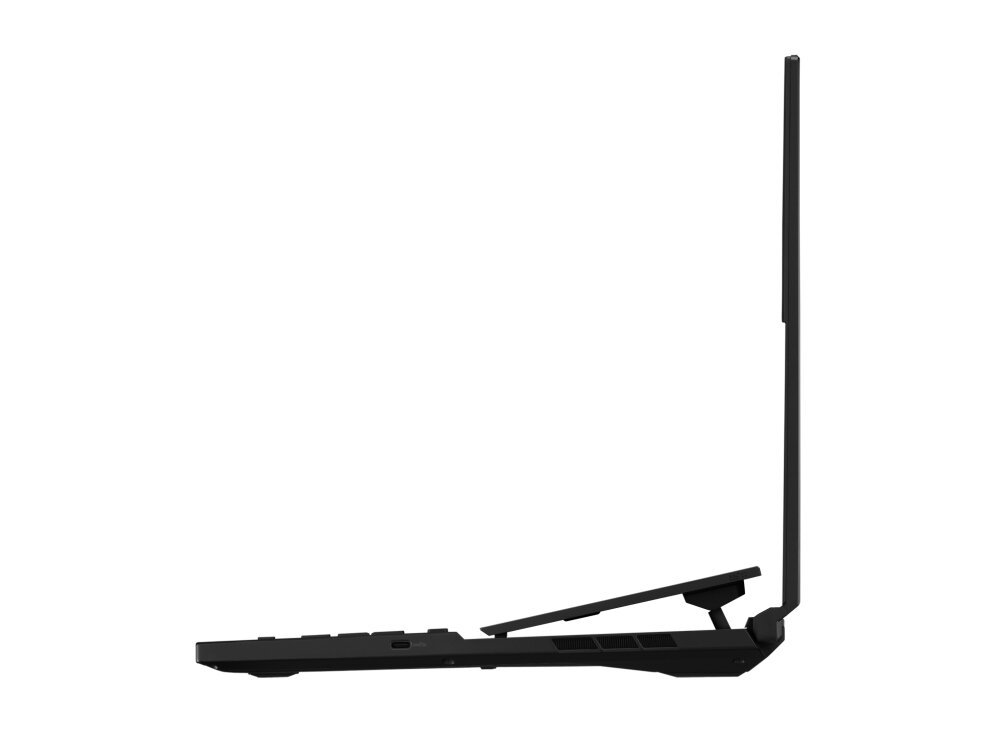
The ASUS ROG Zephyrus Duo 16 GX650PY-R97D49PB1 supports DDR5-SDRAM memory upgrades with specifications including 2x SO-DIMM slots and maximum RAM capacity of 64 GB. Compatible memory operates at 4800 MHz frequency and utilizes SO-DIMM form factor. The upgrade specifications enable memory expansion for enhanced performance on the GX650PY-R97D49PB1 model within the Zephyrus Duo 16 series.
Memory Upgrade Specifications
| Specification | Value |
|---|---|
| Memory slots | 2x SO-DIMM |
| Form factor | SO-DIMM |
| Memory type | DDR5-SDRAM |
| Frequency | 4800 MHz |
| Maximum RAM | 64 GB |
| Voltage | 1.1V |
| Number of pins | 262-pin |
| Interface | PC5 |
| PC Speed Rating | PC5-4800 (PC5-38400) |
| Bandwidth | 38.4 GB/s |
| Laptop Release date | 04 March 2023 |
Additional Notes
- The ASUS ROG GX650PY supports DDR5 memory exclusively, which means DDR4 modules from older systems cannot be repurposed for this device. Any RAM upgrade must use DDR5-compliant SO-DIMM modules.
- With only 2 SO-DIMM slots available, the upgrade path is limited to a maximum of 64 GB total capacity. Users cannot add a third or fourth module if additional capacity is needed in the future; expansion is capped at this ceiling.
- The 4800 MHz native frequency establishes the baseline performance expectation for memory operations. Installing modules rated at higher frequencies (5600 MHz, 6400 MHz) will downclock to 4800 MHz due to motherboard limitations, resulting in no performance gain from premium-tier memory.
- SO-DIMM form factor has physical size constraints. Aftermarket cooling solutions or heatsinks for RAM modules must fit within the compact spacing of laptop architecture; some high-performance memory designs with large heatspreaders may experience clearance conflicts during installation.
- DDR5-4800 memory exhibits higher latency and power consumption compared to DDR5 modules operating at native 4800 MHz speeds on desktop platforms. This affects thermal output within the confined laptop chassis, potentially influencing ambient temperatures around the memory area.
- Since only 2 slots exist, both must remain populated for optimal dual-channel bandwidth utilization. Removing one module to install a single larger module will reduce memory throughput efficiency compared to symmetrical 2x32 GB configurations.