ASUS ROG GX650PY-NM056W RAM upgrade specifications


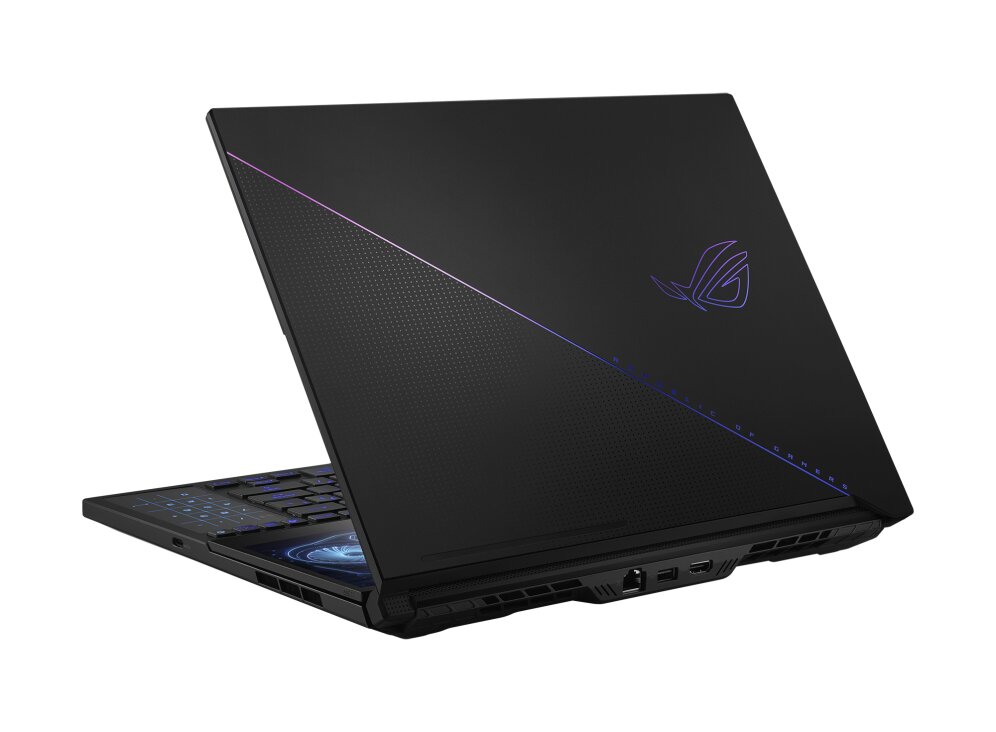

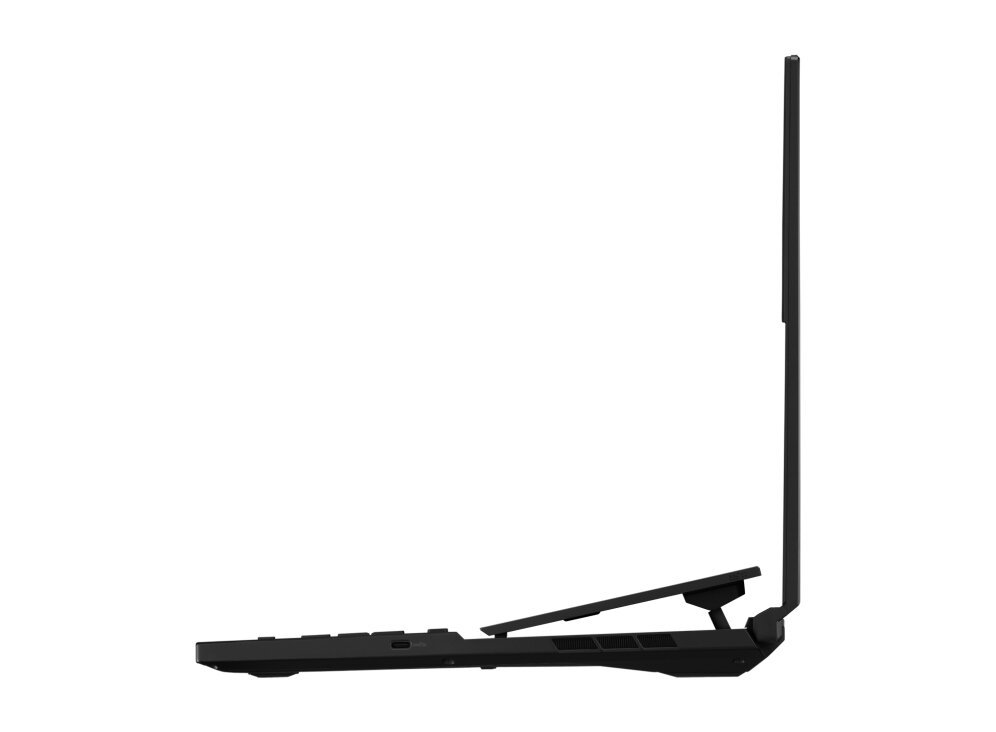
The ASUS ROG Zephyrus Duo 16 GX650PY-NM056W features DDR5-SDRAM memory with upgrade capabilities through 2x SO-DIMM slots. Maximum compatible RAM capacity reaches 64 GB total. Memory specifications include 4800 MHz frequency support. The SO-DIMM form factor enables straightforward memory expansion. Compatible DDR5 modules can be installed to upgrade memory configuration from factory settings. Specifications support high-speed memory operations for performance-intensive applications on the gaming-focused ROG platform.
Memory Upgrade Specifications
| Specification | Value |
|---|---|
| Memory slots | 2x SO-DIMM |
| Form factor | SO-DIMM |
| Memory type | DDR5-SDRAM |
| Frequency | 4800 MHz |
| Maximum RAM | 64 GB |
| Voltage | 1.1V |
| Number of pins | 262-pin |
| Interface | PC5 |
| PC Speed Rating | PC5-4800 (PC5-38400) |
| Bandwidth | 38.4 GB/s |
| Laptop Release date | 16 March 2023 |
Additional Notes
- The dual channel architecture requires symmetrical pair installation to achieve maximum theoretical memory bandwidth for the ASUS ROG Zephyrus Duo 16 GX650PY-NM056W processor.
- The physical limit of 2 SO-DIMM slots implies that reaching the maximum capacity requires the total replacement of existing modules rather than adding to them.
- Operating at a 4800 MHz frequency indicates a dependency on specific DDR5 voltage profiles which may revert to slower JEDEC speeds if non-compliant modules are installed.
- The use of SO-DIMM form factor components necessitates careful cable management during installation as these slots are typically positioned near heat pipes or battery connectors.
- High density 32 GB modules are required to reach the 64 GB threshold which may increase internal heat accumulation within the memory bank area during sustained workloads.
- Accessing the memory slots involves removing the base chassis panel which requires specialized tools to avoid stripping the factory screws or damaging the internal plastic clips.
- Latency variations between different memory brands can cause system instability if the primary and secondary modules do not share identical CAS timings.