ASUS ROG GX650PY-NM040W RAM upgrade specifications


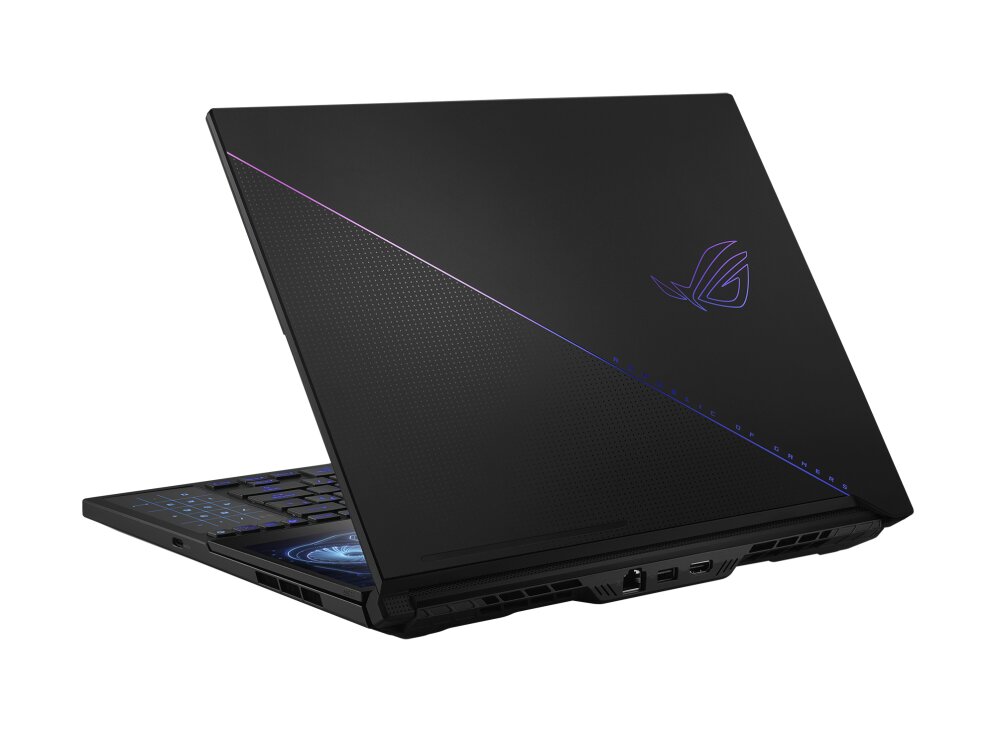

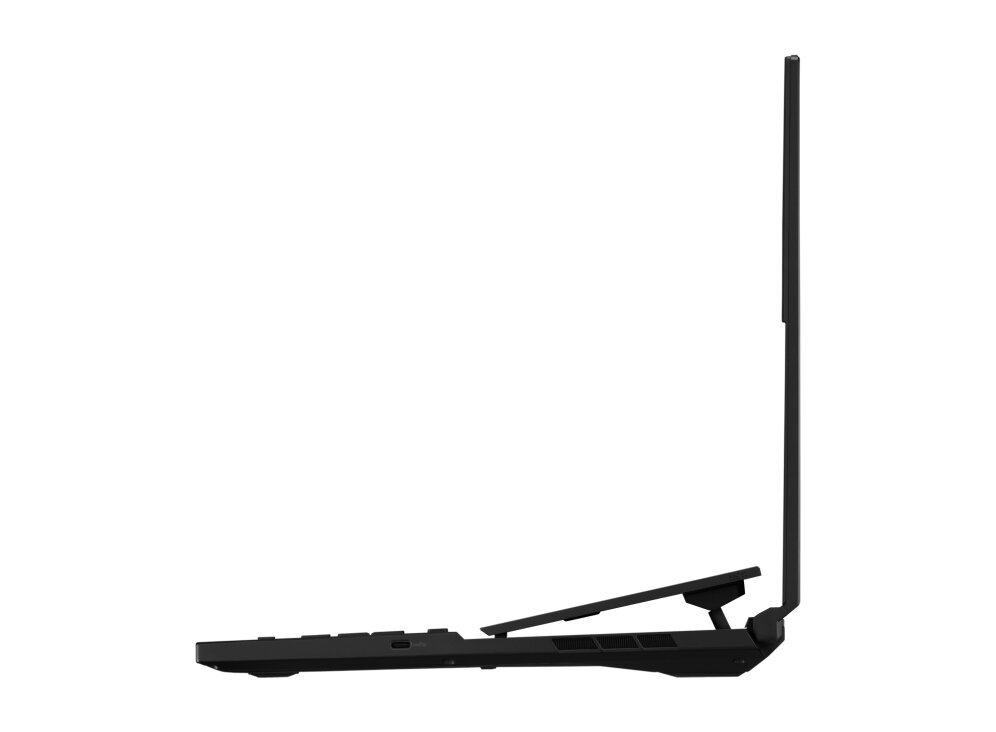
ASUS ROG Zephyrus Duo 16 model GX650PY-NM040W features DDR5-SDRAM memory upgrade specifications with 2x SO-DIMM slots supporting maximum capacity of 64 GB. Compatible memory operates at 4800 MHz frequency using SO-DIMM form factor. Specifications indicate dual-slot configuration allowing for modular RAM expansion and configuration flexibility in the gaming laptop platform.
Memory Upgrade Specifications
| Specification | Value |
|---|---|
| Memory slots | 2x SO-DIMM |
| Form factor | SO-DIMM |
| Memory type | DDR5-SDRAM |
| Frequency | 4800 MHz |
| Maximum RAM | 64 GB |
| Voltage | 1.1V |
| Number of pins | 262-pin |
| Interface | PC5 |
| PC Speed Rating | PC5-4800 (PC5-38400) |
| Bandwidth | 38.4 GB/s |
| Laptop Release date | 10 February 2023 |
Additional Notes
- The ASUS ROG GX650PY-NM040W implements dual-channel memory architecture through its 2 SO-DIMM slots, requiring matched pairs for optimal bandwidth utilization.
- DDR5 modules operate at 1.1V nominal voltage compared to DDR4's 1.2V, reducing thermal output under sustained workloads.
- The 4800 MHz base frequency represents JEDEC standard specification, though DDR5 modules rated higher may downclock to this speed if BIOS lacks XMP/EXPO profile support.
- 64 GB maximum capacity constraint indicates single-slot limit of 32 GB, ruling out 48 GB modules that exist in DDR5 specification.
- SO-DIMM form factor physically measures 67.6mm versus desktop DIMM's 133.35mm, preventing standard desktop module installation.
- DDR5's on-die ECC operates independently of system-level ECC, providing error correction without requiring ECC-specific modules or chipset support.
- Memory channel width remains 64-bit per module, but DDR5 internal architecture uses dual 32-bit subchannels for improved burst access patterns.
- Mixing modules with different frequencies forces all modules to operate at the slowest stick's rated speed, creating performance asymmetry.
- Thermal considerations matter as DDR5 integrates voltage regulation on the module itself, generating localized heat distinct from DDR4's motherboard-based regulation.
- Warranty preservation requires avoiding physical slot damage during installation, as SO-DIMM retention clips exert less holding force than desktop DIMM mechanisms.
- Bank group architecture in DDR5 differs from DDR4, affecting latency-sensitive applications even when absolute CAS latency numbers appear similar.
- The 4800 MHz data rate translates to 2400 MHz actual clock frequency due to double data rate operation, impacting timing calculation for latency-critical tasks.