ASUS ROG GX650PY-NM029W RAM upgrade specifications



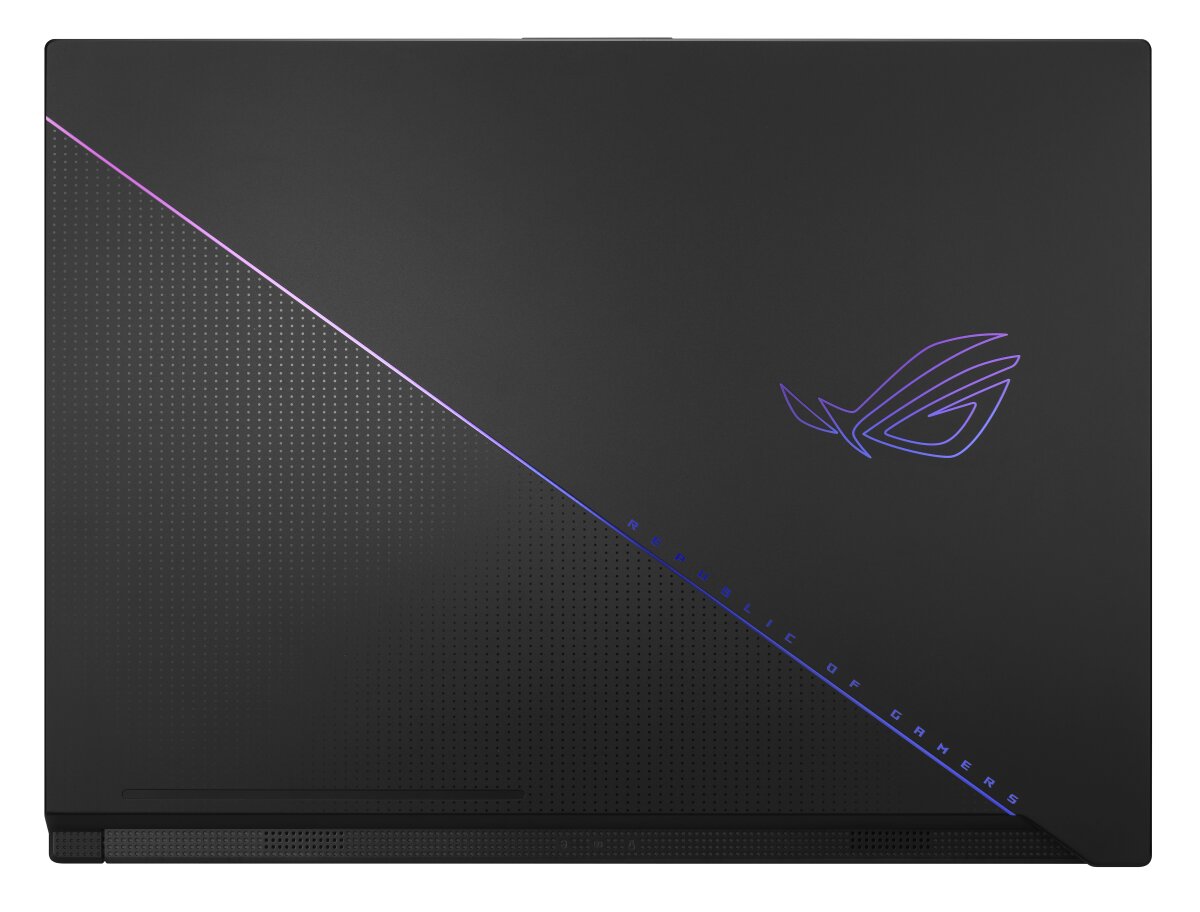
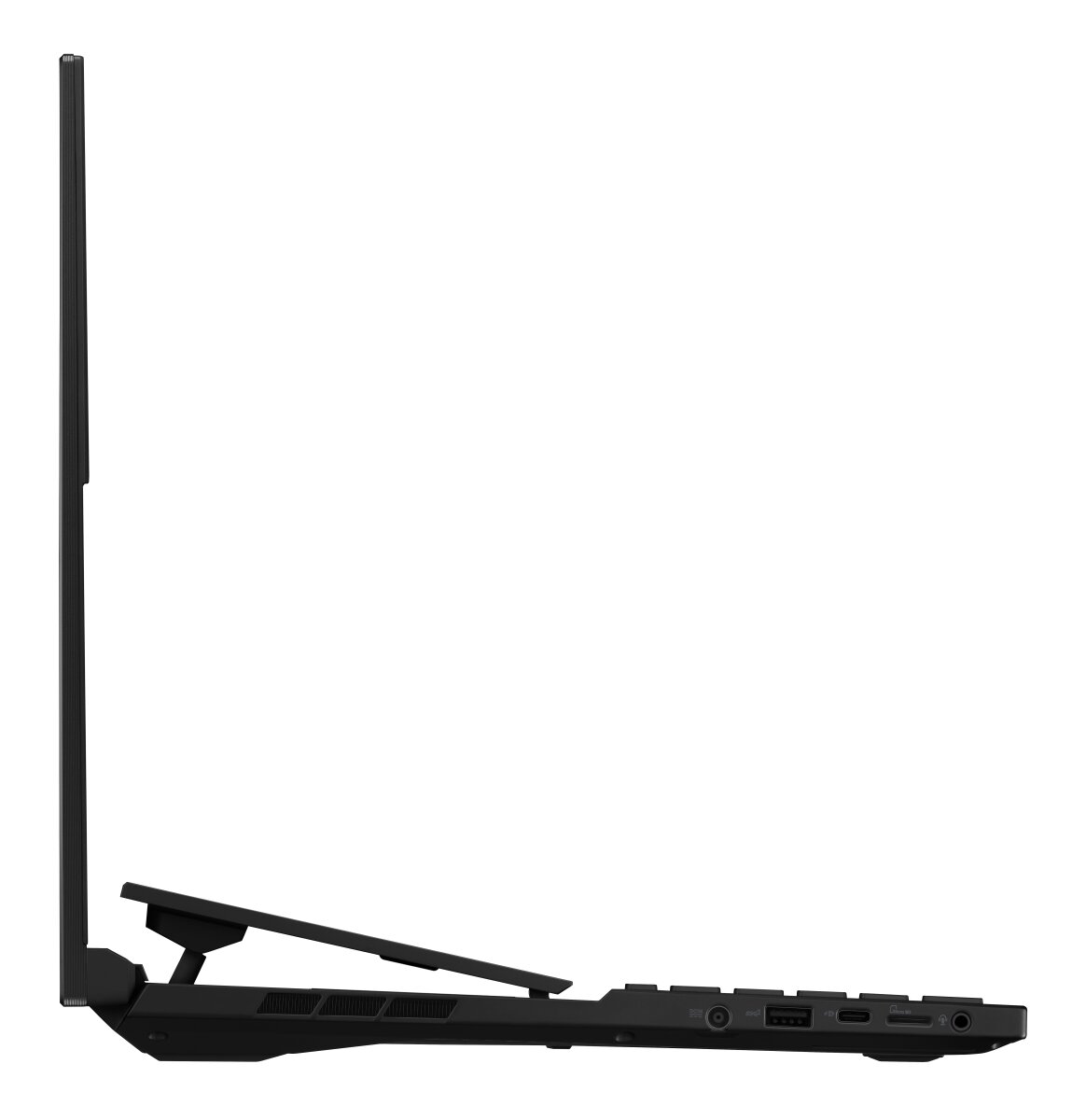
ASUS ROG Zephyrus Duo 16 GX650PY-NM029W RAM upgrade specifications feature DDR5-SDRAM memory compatible with 2x SO-DIMM slots. The upgrade supports maximum capacity of 64 GB total memory at 4800 MHz frequency. This laptop model accommodates DDR5 SO-DIMM modules for enhanced performance and multitasking capabilities. Compatible memory modules require verification of exact specifications prior to installation.
Memory Upgrade Specifications
| Specification | Value |
|---|---|
| Memory slots | 2x SO-DIMM |
| Form factor | SO-DIMM |
| Memory type | DDR5-SDRAM |
| Frequency | 4800 MHz |
| Maximum RAM | 64 GB |
| Voltage | 1.1V |
| Number of pins | 262-pin |
| Interface | PC5 |
| PC Speed Rating | PC5-4800 (PC5-38400) |
| Bandwidth | 38.4 GB/s |
Additional Notes
- The ASUS ROG GX650PY-NM029W utilizes DDR5 SO-DIMM modules, which are physically incompatible with DDR4 slots due to different notch positions and pin configurations.
- DDR5 operates at 1.1V compared to DDR4's 1.2V, requiring motherboard support for the lower voltage standard.
- The 64 GB maximum capacity limit is enforced by chipset addressing constraints, preventing recognition of higher-density modules even if physically installed.
- With 2 SO-DIMM slots available, achieving the 64 GB ceiling requires 2x 32 GB modules in a dual-channel configuration.
- DDR5-4800 represents the JEDEC base specification speed, meaning faster XMP/EXPO profiles may not be supported or require BIOS configuration.
- Mixing modules with different speeds will force all memory to operate at the lowest common frequency, negating faster module specifications.
- Asymmetric capacity configurations (such as 16 GB paired with 32 GB) may disable dual-channel mode or run in flex mode with reduced bandwidth on the excess capacity.
- SO-DIMM form factor modules generate different heat profiles than desktop DIMMs, and aftermarket heatsinks designed for standard DIMMs will not fit.
- Non-matching CAS latencies between installed modules can cause POST failures or force conservative timing adjustments that reduce performance.
- DDR5's on-die ECC operates independently of system-level ECC support and cannot be disabled, affecting power consumption regardless of workload.
- Warranty preservation typically requires avoiding physical damage to retention clips during module installation, as bent clips can void coverage.
- Single-rank versus dual-rank module topology affects memory interleaving, with potential performance variations of 5-15% in bandwidth-sensitive applications.
- The 4800 MHz specification indicates effective data rate, while the actual bus clock operates at 2400 MHz due to double data rate architecture.
- Third-party modules without vendor qualification may prevent system POST even when meeting JEDEC specifications, requiring BIOS updates for compatibility.