ASUS ROG GX650RX RAM upgrade specifications


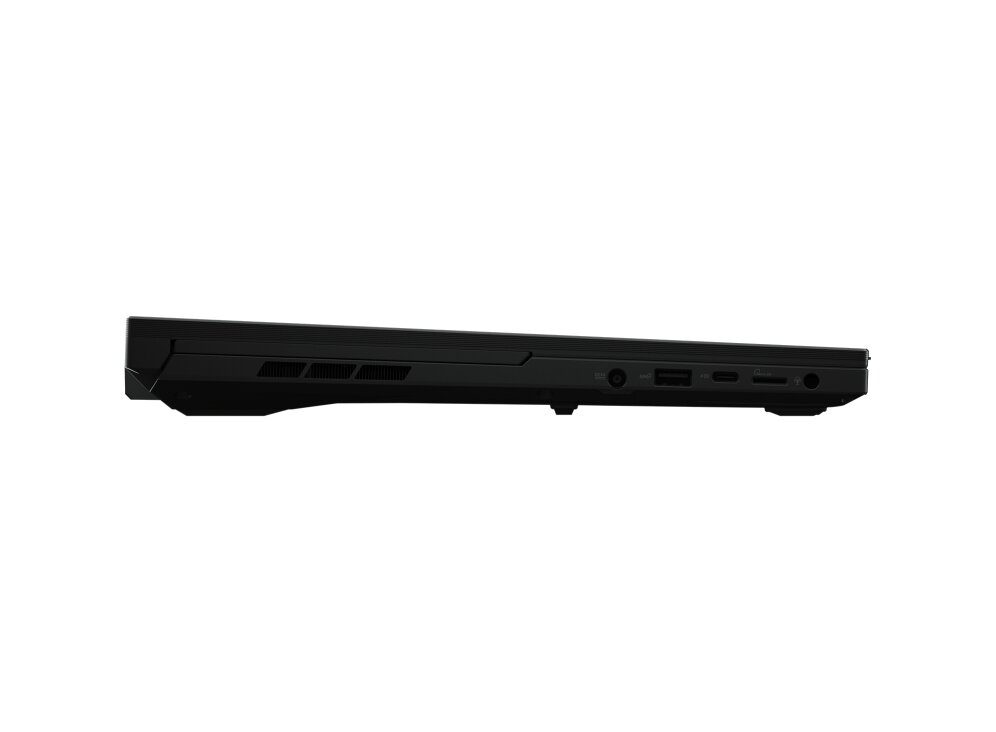

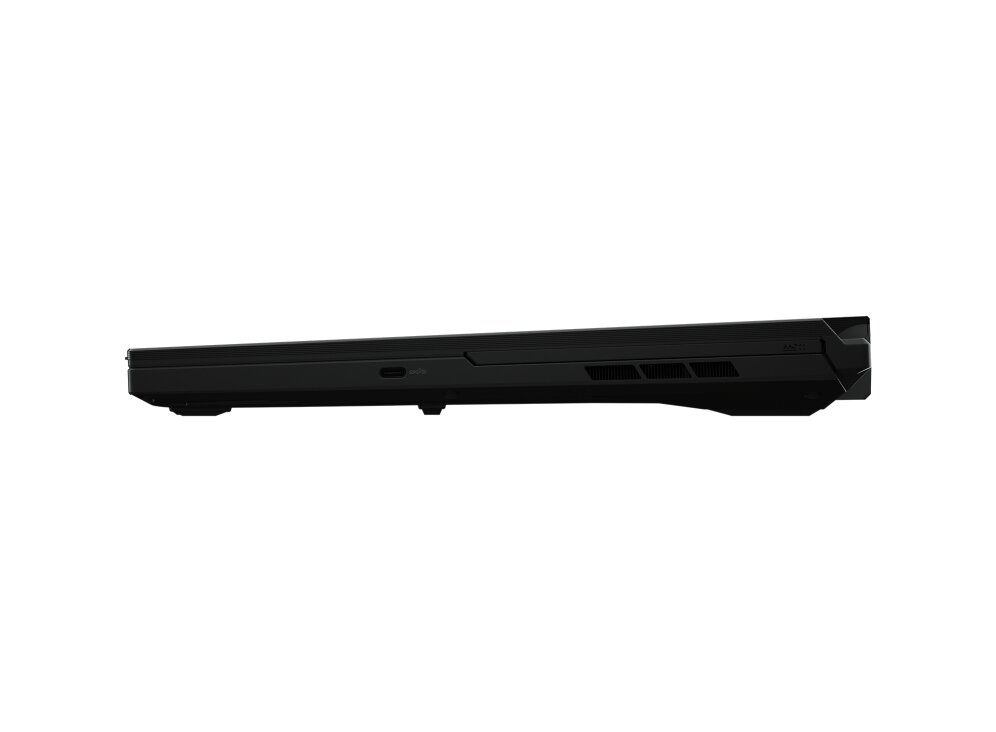
ASUS ROG Zephyrus Duo 16 GX650RX specifications indicate DDR5-SDRAM memory upgrade capacity of 64 GB maximum. Laptop contains 2x SO-DIMM slots for RAM installation. Compatible memory operates at 4800 MHz frequency standard. SO-DIMM form factor defines the physical specifications for upgrade modules. Memory upgrade compatibility requires DDR5-SDRAM modules matching specifications listed for GX650RX model performance requirements.
Memory Upgrade Specifications
| Specification | Value |
|---|---|
| Memory slots | 2x SO-DIMM |
| Form factor | SO-DIMM |
| Memory type | DDR5-SDRAM |
| Frequency | 4800 MHz |
| Maximum RAM | 64 GB |
| Voltage | 1.1V |
| Number of pins | 262-pin |
| Interface | PC5 |
| PC Speed Rating | PC5-4800 (PC5-38400) |
| Bandwidth | 38.4 GB/s |
| Laptop Release date | 19 August 2022 |
Additional Notes
- The 2 SO-DIMM slot configuration in the ASUS ROG GX650RX requires paired capacity modules to achieve optimal dual-channel performance; single-module installations will operate at reduced bandwidth and increased latency.
- DDR5-4800 MHz memory operates at JEDEC standard specifications, meaning third-party modules rated above 4800 MHz will function but only at 4800 MHz unless firmware-level XMP/DOCP profiles are manually enabled, which may affect warranty coverage for stability issues.
- The 64 GB maximum capacity ceiling (32 GB per slot) means upgrading beyond this threshold is physically impossible; dual 32 GB modules represent the terminal upgrade path for this platform.
- SO-DIMM form factor limits module selection to laptop-specific components; desktop DDR5 UDIMMs are physically incompatible and cannot be force-fitted without permanent socket damage.
- Adding memory to both vacant slots simultaneously generates less thermal stress on the memory controller than sequential upgrades, reducing potential for heat-related degradation over extended load cycles.
- Bandwidth saturation occurs when pairing high-speed DDR5 with processor-level cache misses; gaming workloads may not saturate the full 4800 MHz throughput, making frequency marginal gains over 4400 MHz modules.