ASUS ROG GX650RX-XS92-CA RAM upgrade specifications

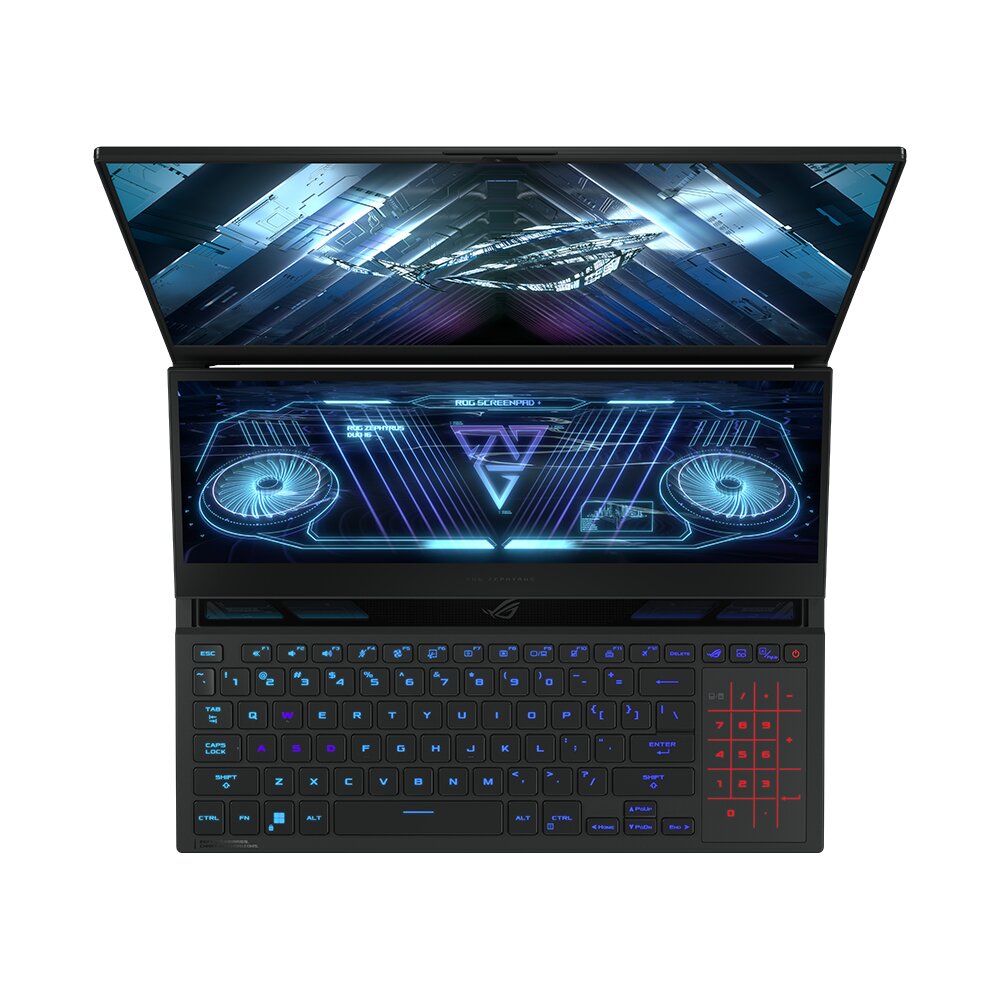

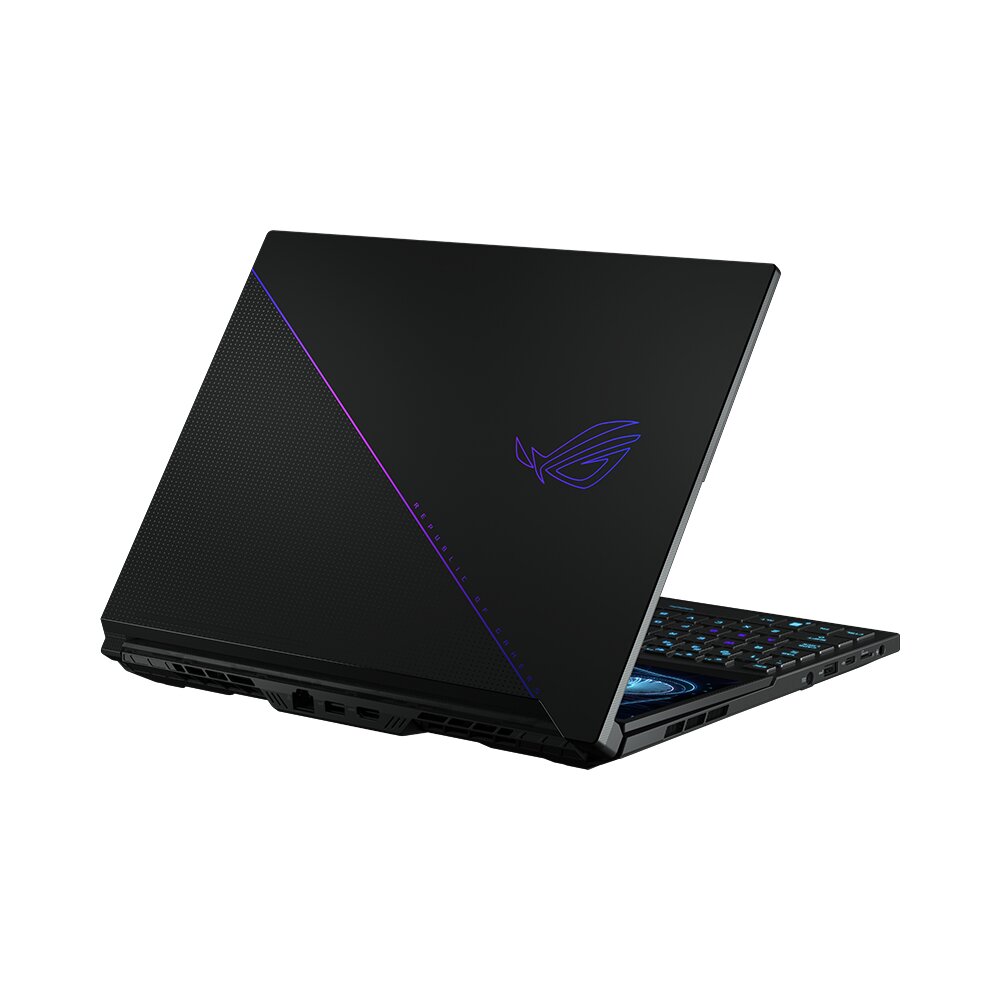
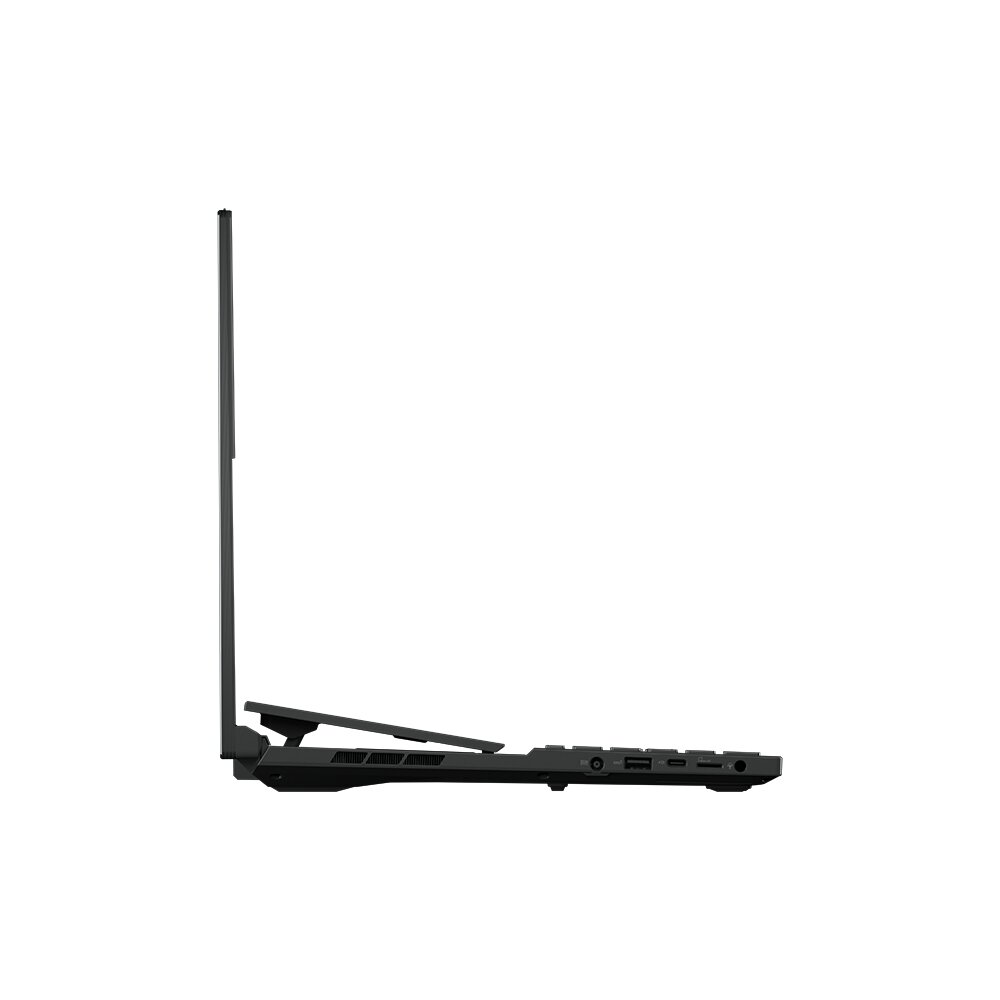
The ASUS ROG Zephyrus Duo 16 GX650RX-XS92-CA laptop features 2x SO-DIMM memory slots compatible with DDR5-SDRAM modules. Maximum RAM capacity reaches 64 GB with DDR5-4800 MHz specifications. Upgrade options support standard SO-DIMM form factor components. Current memory configuration permits installation of compatible DDR5 modules to achieve maximum capacity specifications for enhanced system performance.
Memory Upgrade Specifications
| Specification | Value |
|---|---|
| Memory slots | 2x SO-DIMM |
| Form factor | SO-DIMM |
| Memory type | DDR5-SDRAM |
| Frequency | 4800 MHz |
| Maximum RAM | 64 GB |
| Voltage | 1.1V |
| Number of pins | 262-pin |
| Interface | PC5 |
| PC Speed Rating | PC5-4800 (PC5-38400) |
| Bandwidth | 38.4 GB/s |
| Laptop Release date | 13 April 2023 |
Additional Notes
- The ASUS ROG GX650RX-XS92-CA DDR5 architecture requires modules that adhere to JEDEC voltage specifications, typically 1.1V, as higher performance kits may trigger thermal throttling in compact chassis designs.
- Populating both SO-DIMM slots enables dual-channel operation, doubling theoretical memory bandwidth from 38.4 GB/s to 76.8 GB/s per channel compared to single-module configurations.
- The 64 GB ceiling mandates 32 GB modules per slot, which limits future expansion beyond this threshold without replacing existing memory entirely.
- DDR5-4800 represents JEDEC baseline speed, meaning aftermarket modules rated for 5200 MHz or higher will downclock to 4800 MHz unless XMP/EXPO profiles receive BIOS support and user activation.
- SO-DIMM form factor prevents installation of standard desktop DIMM modules due to incompatible pin counts and physical dimensions, requiring laptop-specific memory purchases.
- Non-soldered SO-DIMM slots preserve user upgradeability without voiding manufacturer warranties, unlike systems with onboard memory that require depot-level service for capacity changes.
- DDR5 on-die ECC operates transparently at the chip level but differs from true ECC SO-DIMMs that require CPU and chipset support rarely found in consumer-grade configurations.
- Mixing modules with different densities or speeds across the 2 slots will force both to operate at the lower common denominator for frequency and may disable dual-channel mode entirely.
- The 4800 MHz data rate translates to PC5-38400 module designation, which should match replacement module specifications to avoid compatibility conflicts during POST.
- Installing beyond 32 GB total may stress power delivery subsystems in sustained workloads, particularly when combined with high-wattage CPUs and discrete graphics under simultaneous load.