ASUS ROG GA401IU-HE118T RAM upgrade specifications

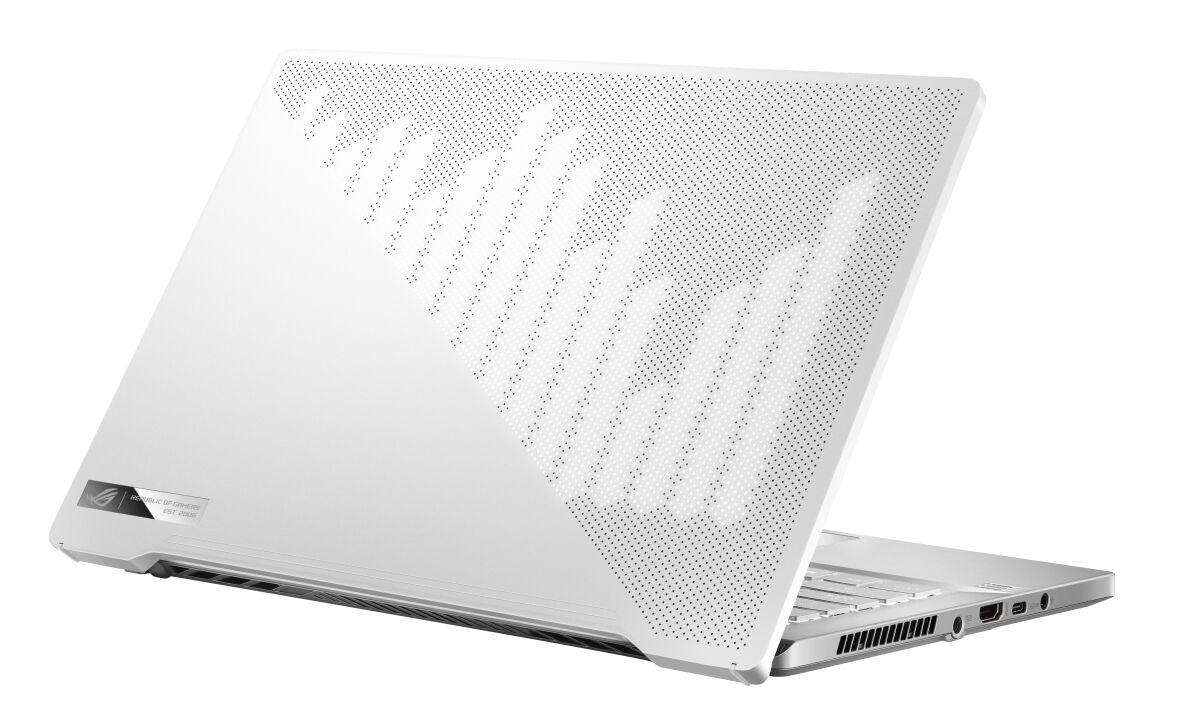
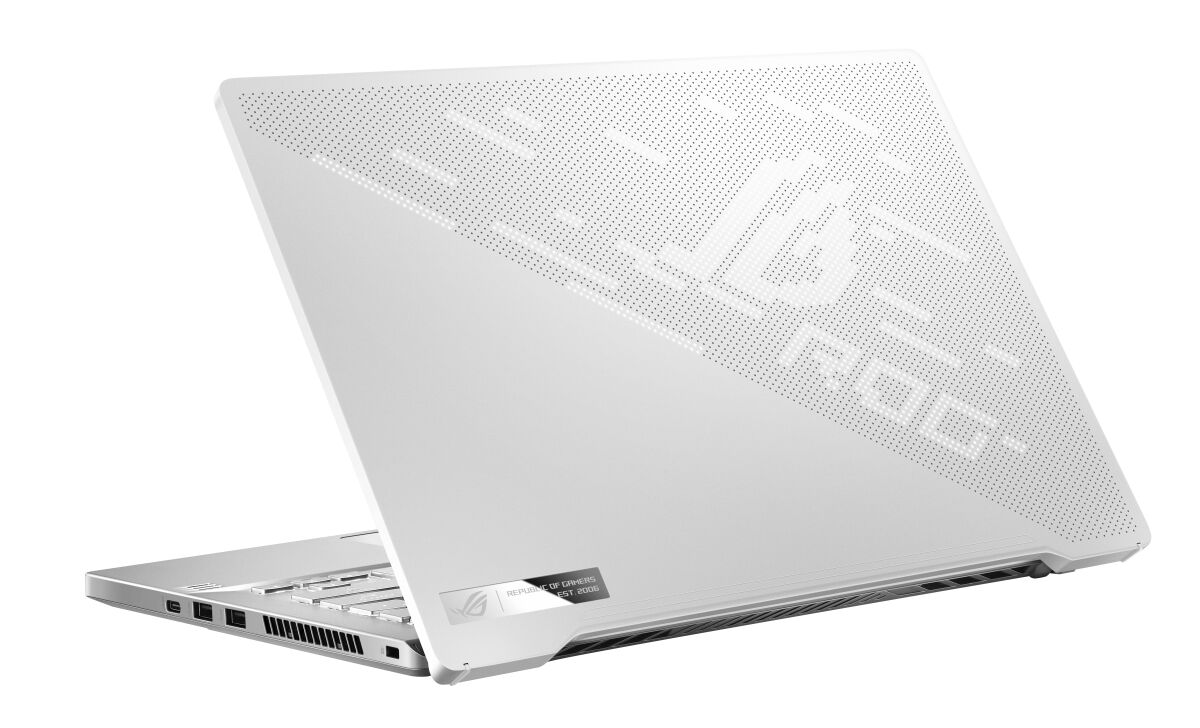


ASUS ROG Zephyrus G14 GA401IU-HE118T supports DDR4-SDRAM memory upgrades with maximum RAM capacity of 24 GB. The laptop features one SO-DIMM slot for memory expansion, compatible with DDR4 modules operating at 3200 MHz frequency. Specifications indicate a hybrid memory configuration combining on-board soldered memory with a single replaceable SO-DIMM slot. This configuration allows users to upgrade the upgrade the memory capacity beyond factory specifications while maintaining DDR4-SDRAM compatibility and performance standards.
Memory Upgrade Specifications
| Specification | Value |
|---|---|
| Memory slots | 1x SO-DIMM |
| Form factor | On-board + SO-DIMM |
| Memory type | DDR4-SDRAM |
| Frequency | 3200 MHz |
| Maximum RAM | 24 GB |
| Voltage | 1.2V |
| Number of pins | 260-pin |
| Interface | PC4 |
| PC Speed Rating | PC4-3200 (PC4-25600) |
| Bandwidth | 25.6 GB/s |
| Laptop Release date | 01 March 2021 |
Additional Notes
- The ASUS ROG GA401IU-HE118T features a hybrid memory architecture with 8 GB soldered directly to the motherboard, limiting total system capacity to 24 GB when paired with a 16 GB SO-DIMM module.
- Dual-channel memory operation requires the user-installed SO-DIMM to match or exceed the speed of the onboard memory, otherwise the system will downclock both modules to the slower frequency.
- Accessing the single SO-DIMM slot typically requires complete bottom panel removal and potential warranty seal breach on this compact gaming chassis.
- The soldered memory component cannot be replaced or upgraded if it fails, requiring motherboard-level repair or replacement outside of warranty coverage.
- DDR4-3200 represents the maximum officially supported frequency, though higher-speed modules will function by downclocking to this specification without performance penalty.
- Single-rank versus dual-rank SO-DIMM selection impacts memory interleaving efficiency when paired with the onboard chip, affecting bandwidth-sensitive workloads like integrated graphics rendering.
- The maximum 24 GB configuration creates asymmetric channel population, where 16 GB operates in dual-channel mode and the remaining 8 GB runs in single-channel, reducing peak memory bandwidth for applications accessing beyond the first 16 GB.
- Non-standard voltage SO-DIMM modules (1.35V low-voltage or 1.5V high-performance) may cause POST failures or stability issues due to onboard memory voltage constraints.
- Thin laptop thermals may throttle memory performance under sustained load when fully populated, as the SO-DIMM sits adjacent to the processor heat dissipation zone.