ASUS ROG GA401IU-HE107T RAM upgrade specifications



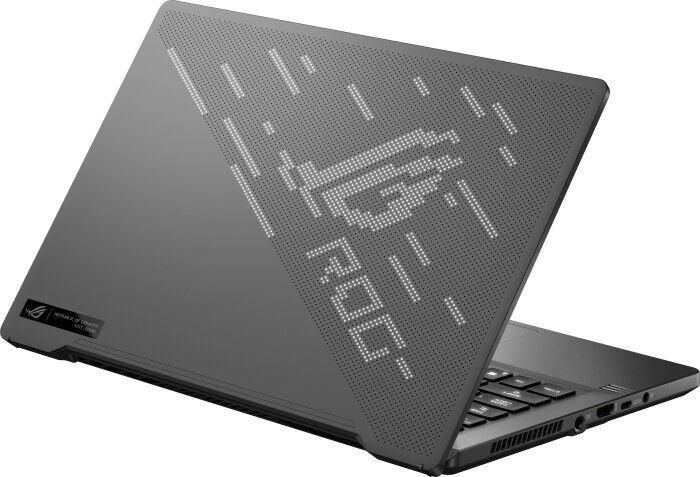
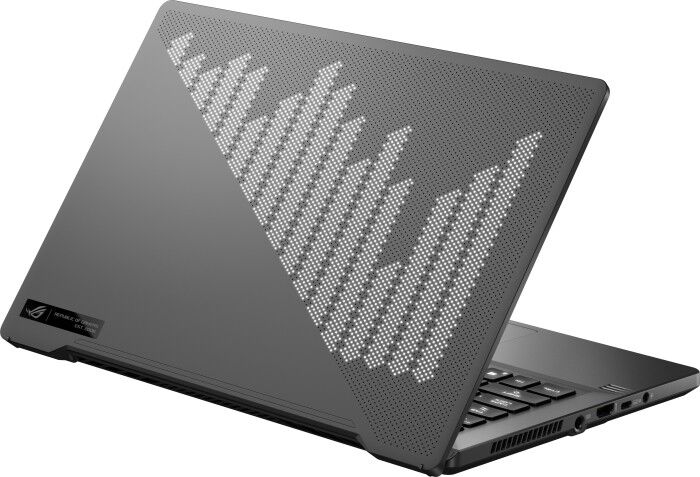
The ASUS ROG Zephyrus G14 GA401IU-HE107T supports memory upgrades via one SO-DIMM slot. The laptop features DDR4-SDRAM memory operating at 3200 MHz frequency. Maximum memory capacity reaches 32 GB through compatible SO-DIMM modules. The specifications indicate on-board memory combined with an expandable SO-DIMM slot, allowing RAM upgrade without replacing existing components. Compatible DDR4 modules must meet the 3200 MHz frequency specification for optimal performance and compatibility with the GA401IU-HE107T platform.
Memory Upgrade Specifications
| Specification | Value |
|---|---|
| Memory slots | 1x SO-DIMM |
| Form factor | On-board + SO-DIMM |
| Memory type | DDR4-SDRAM |
| Frequency | 3200 MHz |
| Maximum RAM | 32 GB |
| Voltage | 1.2V |
| Number of pins | 260-pin |
| Interface | PC4 |
| PC Speed Rating | PC4-3200 (PC4-25600) |
| Bandwidth | 25.6 GB/s |
| Laptop Release date | 31 January 2021 |
Additional Notes
- The ASUS ROG GA401IU-HE107T contains soldered memory on the motherboard, meaning only the single SO-DIMM slot is user-accessible for upgrades, limiting total expandable capacity regardless of the 32 GB maximum specification.
- DDR4-3200 MHz modules are widely available at consumer pricing, but any replacement or upgrade module must match this exact frequency to avoid BIOS compatibility conflicts or automatic downclocking of both the on-board and SO-DIMM memory.
- SO-DIMM form factor (laptop memory) is physically smaller than desktop DIMM modules; standard DDR4 desktop RAM cannot be physically inserted into the available slot.
- Adding a 32 GB SO-DIMM module to the single available slot will theoretically reach the 32 GB maximum specification only if the on-board soldered portion is also 32 GB, which is unlikely on this configuration; the actual ceiling depends on the factory-soldered capacity.
- The single upgradeable slot creates an asymmetrical memory configuration if the on-board and SO-DIMM capacities differ, which may reduce memory bandwidth efficiency compared to dual matching modules, particularly in multi-threaded workloads.
- SO-DIMM modules generate more heat per unit area than desktop DIMMs due to their compact design; thermal management around the slot may become a constraint if upgrading to maximum-capacity modules under sustained load.
- Warranty considerations require verification of whether opening the chassis to access the SO-DIMM slot voids coverage on this ASUS model, as some manufacturers restrict memory upgrades to authorized service centers.