ASUS ROG GA401QE-HZ049T RAM upgrade specifications



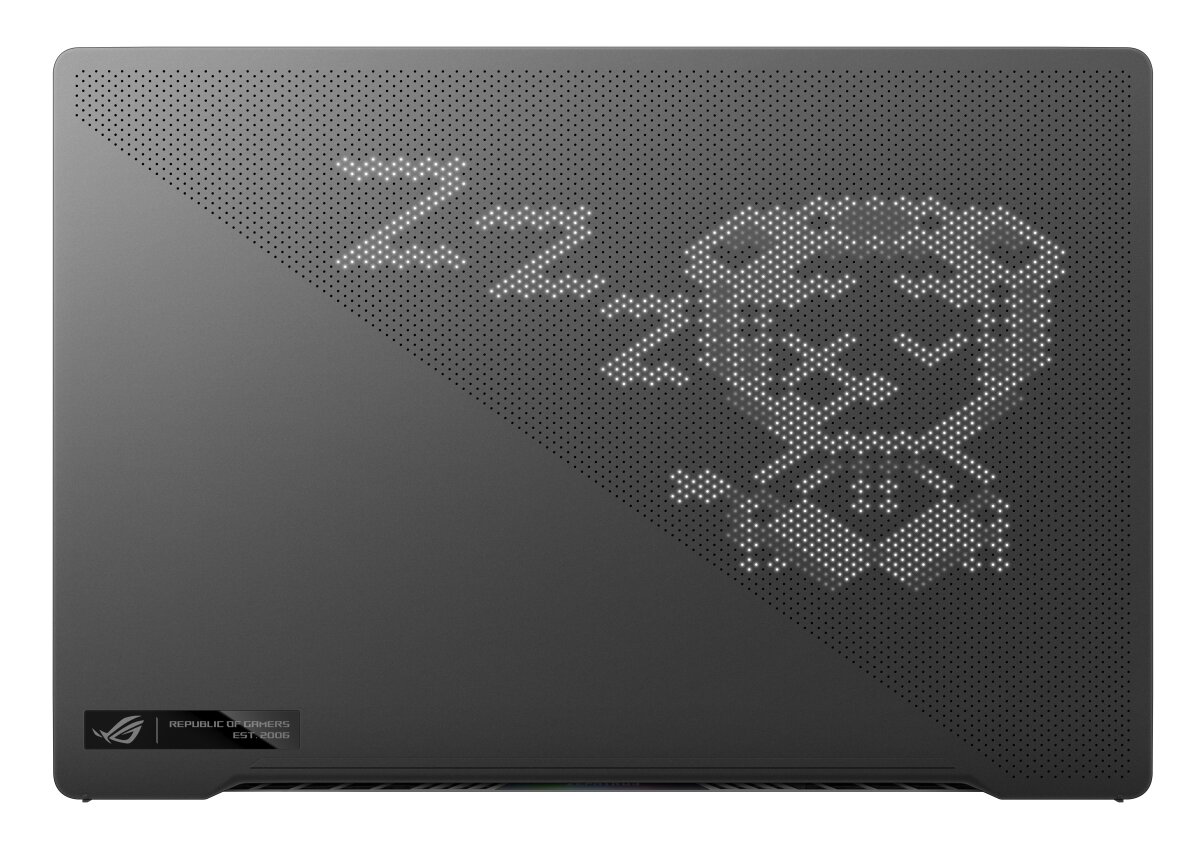

ASUS ROG Zephyrus G14 model GA401QE-HZ049T RAM upgrade specifications indicate DDR4-SDRAM memory compatibility at 3200 MHz frequency. The laptop features one SO-DIMM slot for memory expansion, with maximum RAM capacity of 24 GB total. Memory configuration comprises on-board and SO-DIMM form factors. Compatible upgrades utilize DDR4 technology to enhance system performance and multitasking capabilities.
Memory Upgrade Specifications
| Specification | Value |
|---|---|
| Memory slots | 1x SO-DIMM |
| Form factor | On-board + SO-DIMM |
| Memory type | DDR4-SDRAM |
| Frequency | 3200 MHz |
| Maximum RAM | 24 GB |
| Voltage | 1.2V |
| Number of pins | 260-pin |
| Interface | PC4 |
| PC Speed Rating | PC4-3200 (PC4-25600) |
| Bandwidth | 25.6 GB/s |
| Laptop Release date | 13 June 2021 |
Additional Notes
- The ASUS ROG GA401QE-HZ049T features a hybrid memory architecture with one module permanently soldered to the motherboard and one accessible SO-DIMM slot, preventing complete memory replacement if the onboard component fails.
- The 24 GB maximum capacity indicates 8 GB soldered memory paired with a 16 GB SO-DIMM module limit, creating an asymmetric dual-channel configuration that may reduce memory interleaving efficiency in certain workloads.
- Accessing the single SO-DIMM slot requires bottom panel removal, which typically involves breaking factory warranty seals on this chassis design.
- DDR4-3200 operation depends on CPU memory controller support; pairing modules with different densities or ranks may force the system to downclock to JEDEC fallback speeds below 3200 MHz.
- The on-board plus SO-DIMM configuration limits future-proofing compared to dual SO-DIMM systems, as the soldered capacity remains fixed regardless of subsequent memory technology advances.
- Mixing the soldered module with a third-party SO-DIMM requires matching voltage specifications, typically 1.2V for DDR4, to prevent POST failures or thermal throttling.
- Single-slot upgradeability means the existing SO-DIMM must be removed and discarded when increasing capacity, unlike dual-slot systems that allow additive expansion.
- The memory controller must manage different module capacities simultaneously, which can introduce minor latency penalties in specific applications optimized for symmetric memory configurations.