ASUS ROG GA401QE-HZ068T RAM upgrade specifications
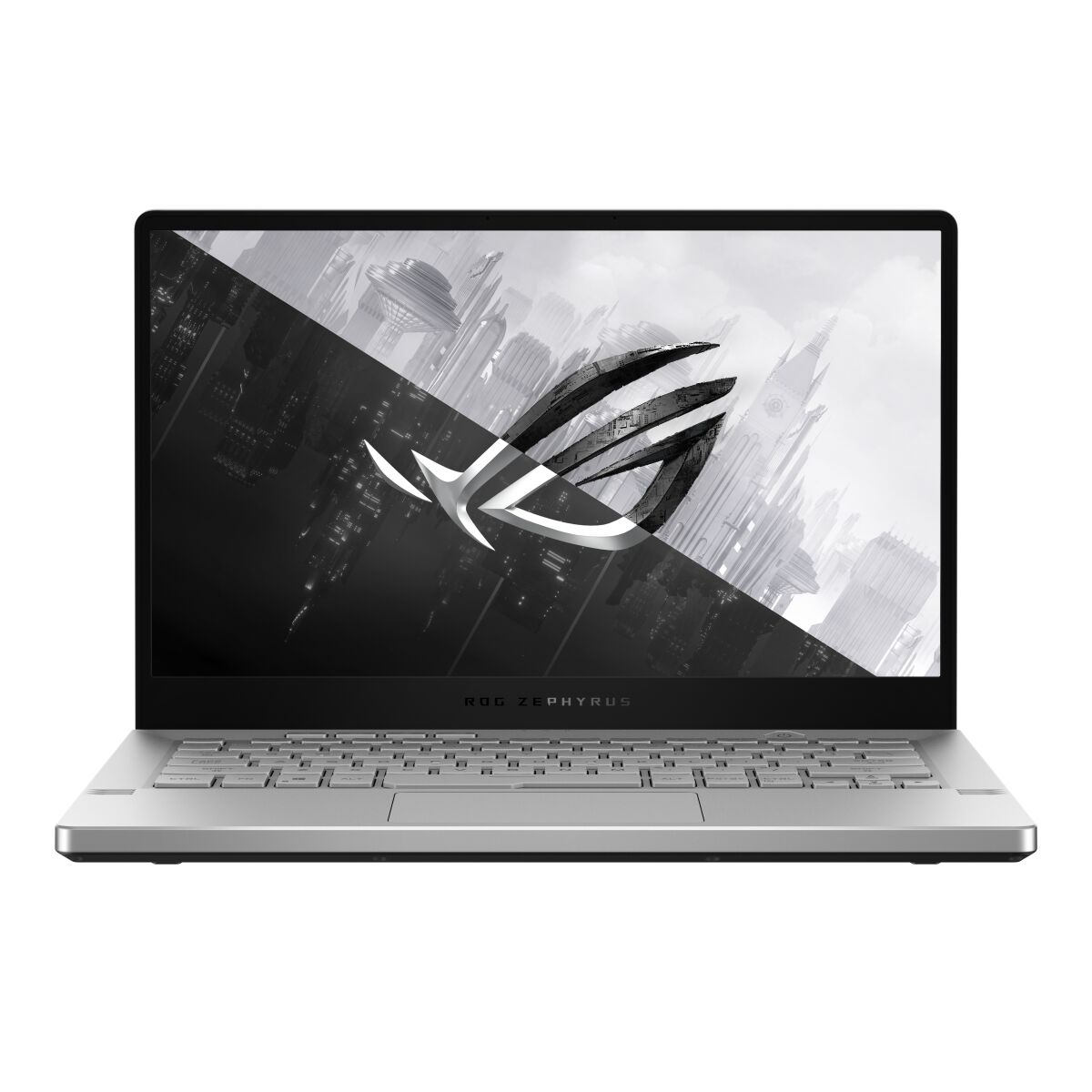
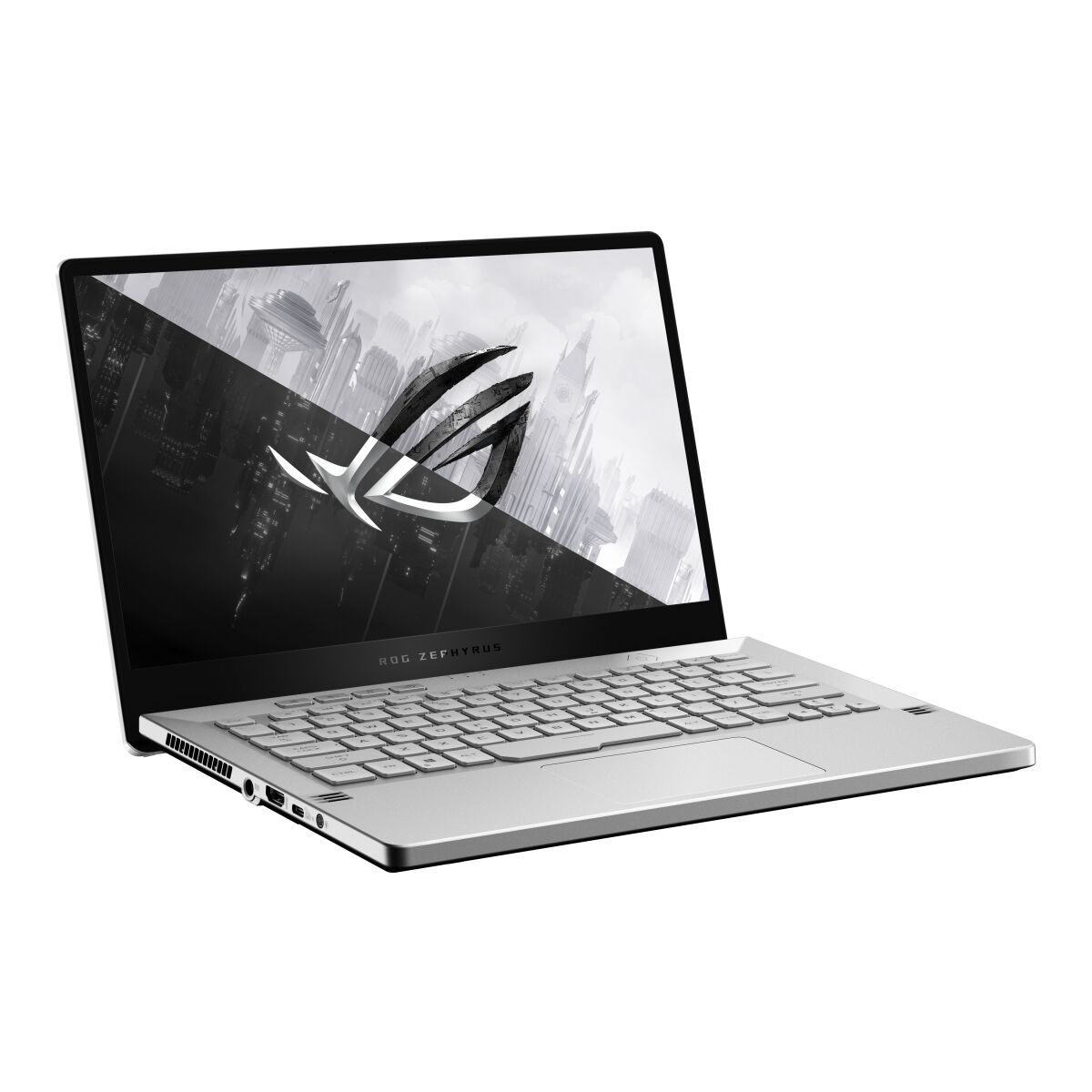
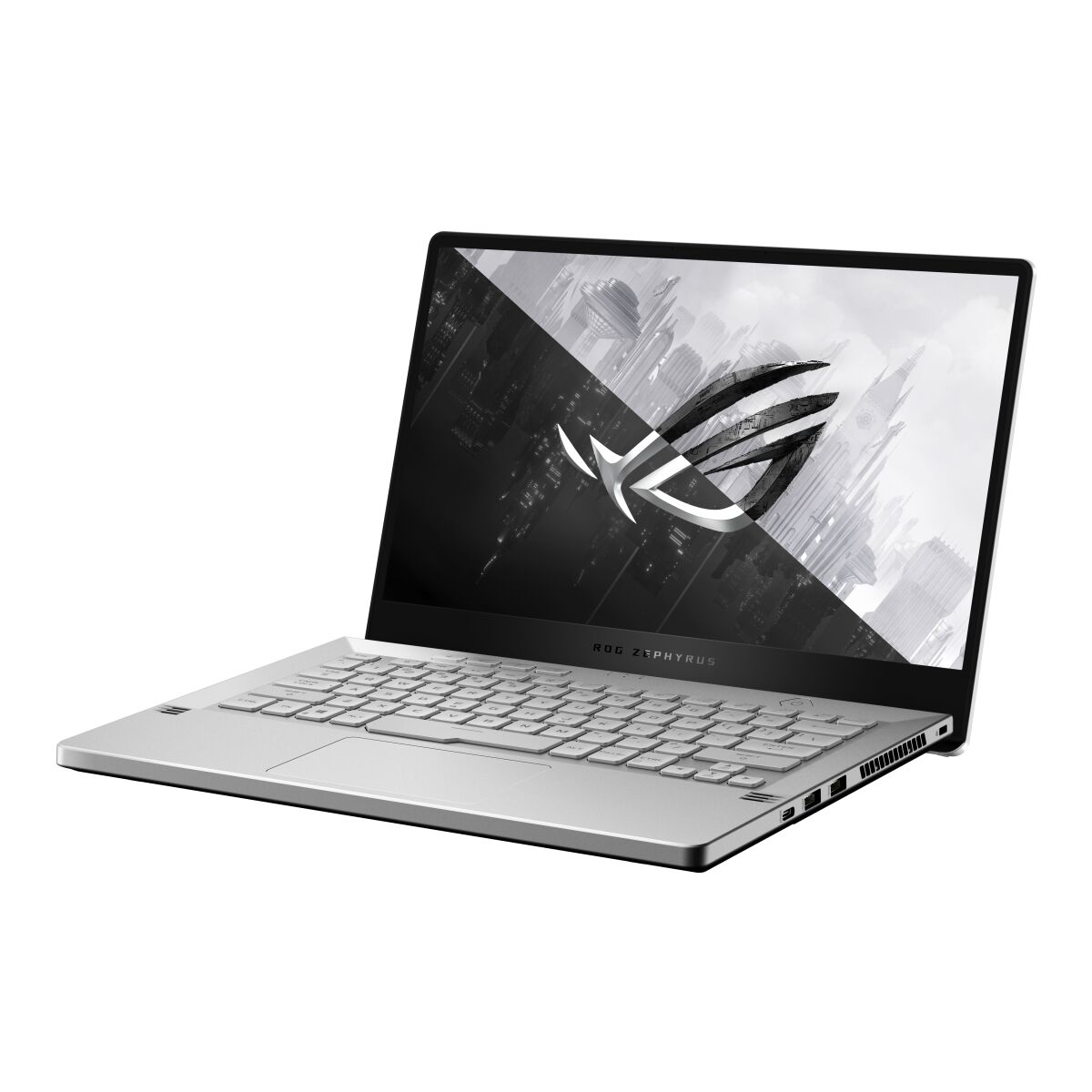

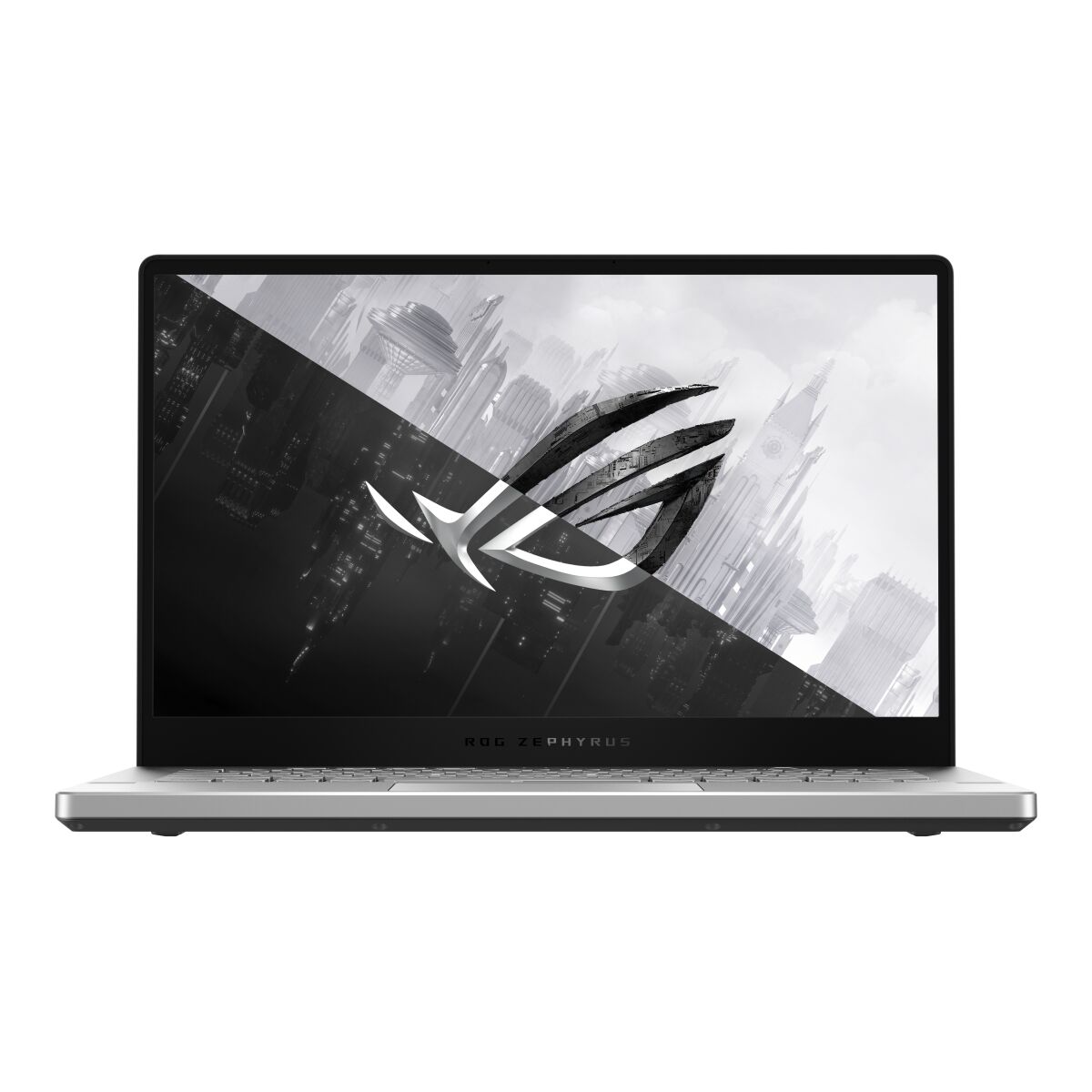
ASUS ROG Zephyrus G14 model GA401QE-HZ068T supports DDR4-SDRAM memory upgrade specifications. The laptop contains one SO-DIMM slot for additional memory expansion. Maximum compatible RAM capacity reaches 24 GB total, combining on-board memory with the single upgradeable slot. Memory operates at 3200 MHz frequency. This upgrade slot accepts DDR4 SO-DIMM modules to enhance system performance and multitasking capabilities for the Zephyrus G14 gaming laptop series.
Memory Upgrade Specifications
| Specification | Value |
|---|---|
| Memory slots | 1x SO-DIMM |
| Form factor | On-board + SO-DIMM |
| Memory type | DDR4-SDRAM |
| Frequency | 3200 MHz |
| Maximum RAM | 24 GB |
| Voltage | 1.2V |
| Number of pins | 260-pin |
| Interface | PC4 |
| PC Speed Rating | PC4-3200 (PC4-25600) |
| Bandwidth | 25.6 GB/s |
| Laptop Release date | 13 February 2021 |
Additional Notes
- The ASUS ROG GA401QE-HZ068T features soldered memory alongside the SO-DIMM slot, preventing complete RAM removal or replacement of the on-board component.
- A 24 GB maximum capacity indicates 8 GB permanently soldered on the motherboard, limiting the SO-DIMM slot to a single 16 GB module.
- Asymmetric memory configurations disable dual-channel operation for the excess capacity beyond the paired amount, reducing memory bandwidth for intensive workloads.
- Installing less than 16 GB in the SO-DIMM slot results in unbalanced channel distribution, potentially impacting graphics performance where the integrated GPU shares system memory.
- DDR4-3200 MHz operation requires JEDEC-compliant modules, as non-standard XMP profiles may cause compatibility issues with mobile platform memory controllers.
- The single accessible slot eliminates incremental upgrade flexibility, forcing a complete module replacement when expanding beyond the initial configuration.
- SO-DIMM installation in laptops with on-board memory typically requires bottom panel removal, which may involve warranty seal disruption depending on regional service policies.
- Memory latency characteristics remain fixed by the soldered component, meaning aftermarket SO-DIMM timing specifications have limited impact on overall system responsiveness.
- The 3200 MHz frequency represents the maximum supported speed, requiring compatible modules as higher-frequency DDR4 will downclock without performance benefit.
- Power consumption scales with total installed capacity, affecting thermal characteristics and battery runtime when upgrading to the maximum 24 GB configuration.