ASUS ROG GA401QE-HZ055T RAM upgrade specifications


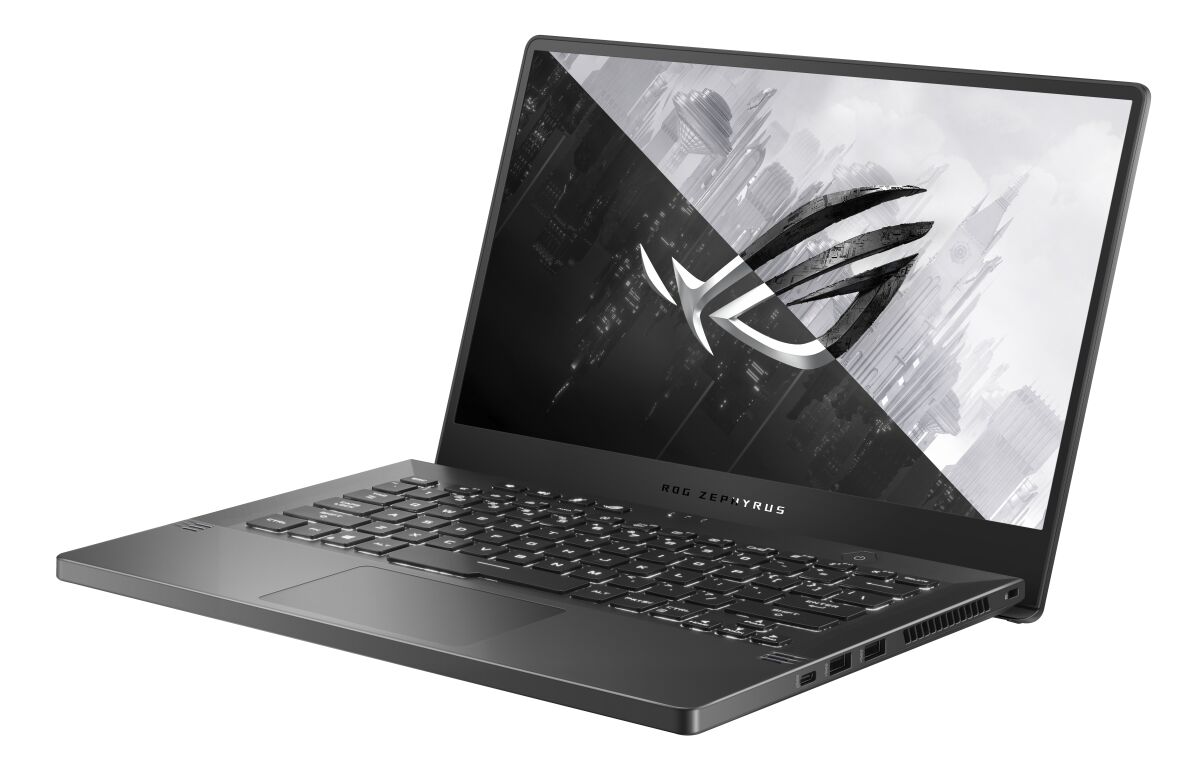

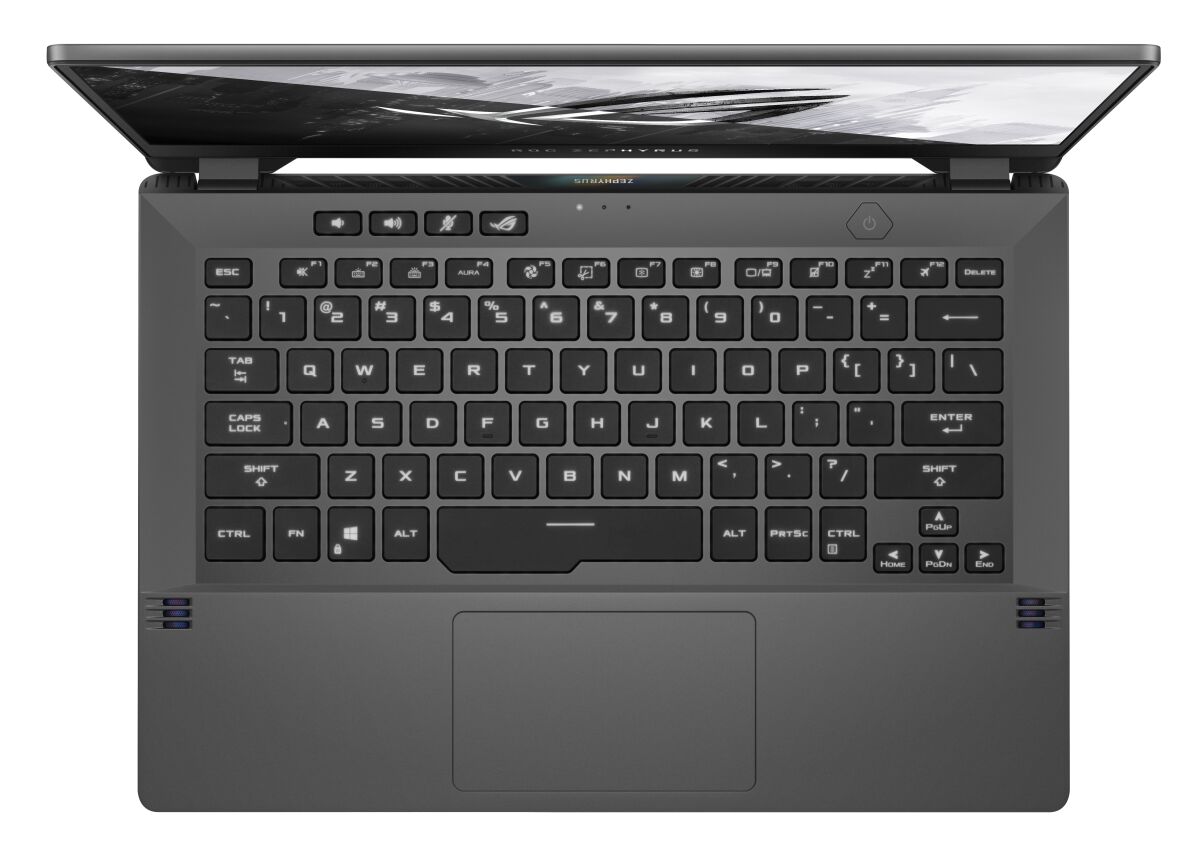
The ASUS ROG Zephyrus G14 GA401QE-HZ055T features DDR4-SDRAM memory with one SO-DIMM slot available for upgrade. The laptop contains on-board memory combined with one SO-DIMM slot, supporting maximum RAM capacity of 24 GB. Compatible memory modules operate at 3200 MHz frequency. Specifications indicate the upgrade slot accepts SO-DIMM form factor DDR4 memory, allowing users to expand the total system memory from the factory configuration to reach the maximum supported capacity of 24 GB.
Memory Upgrade Specifications
| Specification | Value |
|---|---|
| Memory slots | 1x SO-DIMM |
| Form factor | On-board + SO-DIMM |
| Memory type | DDR4-SDRAM |
| Frequency | 3200 MHz |
| Maximum RAM | 24 GB |
| Voltage | 1.2V |
| Number of pins | 260-pin |
| Interface | PC4 |
| PC Speed Rating | PC4-3200 (PC4-25600) |
| Bandwidth | 25.6 GB/s |
| Laptop Release date | 04 April 2021 |
Additional Notes
- The ASUS ROG GA401QE-HZ055T employs a hybrid memory architecture with 8 GB soldered directly to the motherboard, limiting total system capacity to 24 GB when paired with a single 16 GB module.
- The single accessible SO-DIMM slot prevents dual-channel memory operation across the entire capacity, as the on-board portion operates independently from the upgradeable module.
- Asymmetric memory configurations result when combining the fixed 8 GB on-board memory with modules of different sizes, potentially triggering flex mode operation where only matched portions run in dual-channel.
- The 3200 MHz native frequency requires DDR4 modules rated at PC4-25600 specification to avoid automatic downclocking to JEDEC fallback speeds of 2933 MHz or 2666 MHz.
- Installing a module slower than 3200 MHz forces the entire memory subsystem to operate at the lower speed, affecting both the soldered and upgradeable portions.
- CAS latency ratings below CL22 at 3200 MHz may reduce memory access times, though compatibility with the on-board memory controller varies by module manufacturer.
- The SO-DIMM form factor restricts physical module height to 30 mm, though most standard laptop modules comply with this dimension without interference.
- Modules exceeding 1.2V standard DDR4 voltage may encounter stability issues or rejection by the system firmware designed for low-power operation.
- Non-standard heat spreaders or RGB lighting components on aftermarket modules risk physical contact with the laptop's thermal solution or bottom panel.
- The maximum 24 GB ceiling becomes a permanent constraint for workloads requiring larger memory pools, as neither the soldered nor slot-based memory supports replacement beyond this threshold.
- Warranty preservation requires avoiding removal of the factory-installed module if present, as the single slot may ship occupied depending on regional configuration variants.
- ECC or registered memory types remain incompatible with consumer-grade mobile platforms, limiting module selection to unbuffered non-ECC SO-DIMMs.
- Memory training during POST extends boot times slightly when introducing a new module, as the system calibrates timings between the asymmetric on-board and slotted components.