ASUS ROG GA401QM-HZ011T RAM upgrade specifications




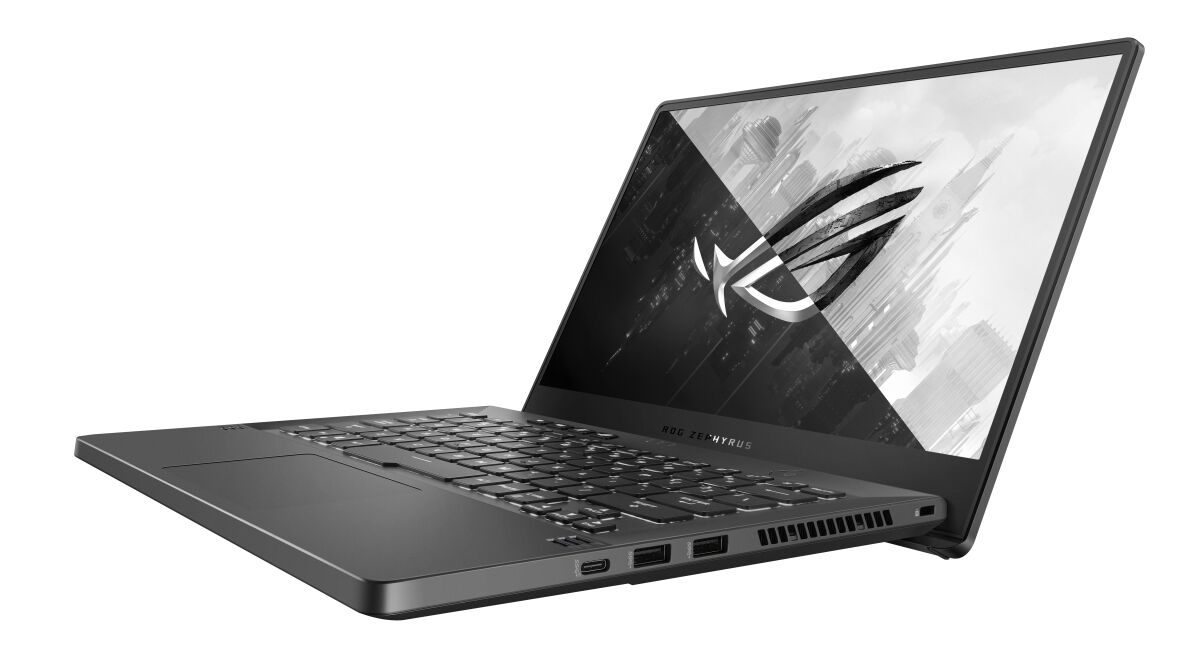
The ASUS ROG Zephyrus G14 GA401QM-HZ011T features DDR4-SDRAM memory configuration with one SO-DIMM upgrade slot and 8 GB soldered on-board memory. Maximum RAM capacity reaches 24 GB when a 16 GB DDR4-3200 MHz module is installed in the available slot. Compatible memory upgrades support DDR4-SDRAM specifications at 3200 MHz frequency. The single SO-DIMM slot allows for flexible memory expansion to enhance system performance and multitasking capabilities.
Memory Upgrade Specifications
| Specification | Value |
|---|---|
| Memory slots | 1x SO-DIMM |
| Form factor | On-board + SO-DIMM |
| Memory type | DDR4-SDRAM |
| Frequency | 3200 MHz |
| Maximum RAM | 24 GB |
| Voltage | 1.2V |
| Number of pins | 260-pin |
| Interface | PC4 |
| PC Speed Rating | PC4-3200 (PC4-25600) |
| Bandwidth | 25.6 GB/s |
| Laptop Release date | 26 November 2020 |
Additional Notes
- The ASUS ROG GA401QM-HZ011T features a hybrid memory architecture with one portion soldered directly to the motherboard and one accessible SO-DIMM slot, preventing complete memory replacement.
- The 24 GB maximum capacity indicates 8 GB of permanently soldered RAM, allowing only a single 16 GB SO-DIMM module addition to reach the system ceiling.
- Memory operates in dual-channel mode only when the SO-DIMM module matches or exceeds the soldered capacity, with any excess operating in slower single-channel mode.
- The 3200 MHz specification requires DDR4 modules rated at PC4-25600 to maintain native speed without downclocking.
- Installing a module with different timing specifications than the soldered memory may force both to operate at the slower timings, potentially reducing overall performance.
- The single SO-DIMM configuration limits future upgrade flexibility, as reaching maximum capacity eliminates further expansion options without module replacement.
- Accessing the SO-DIMM slot typically requires bottom panel removal, which may void warranty seals depending on regional service policies.
- Mixing memory from different manufacturers between the soldered and socketed portions can introduce stability issues despite meeting speed specifications.
- The on-board memory cannot be removed or replaced if it fails, requiring motherboard-level service for permanent memory failures.
- Asymmetric memory configurations created by adding a 16 GB module to 8 GB soldered RAM may trigger Flex Mode, where only matching portions run in dual-channel.