ASUS ROG GA401QM-HZ024T RAM upgrade specifications
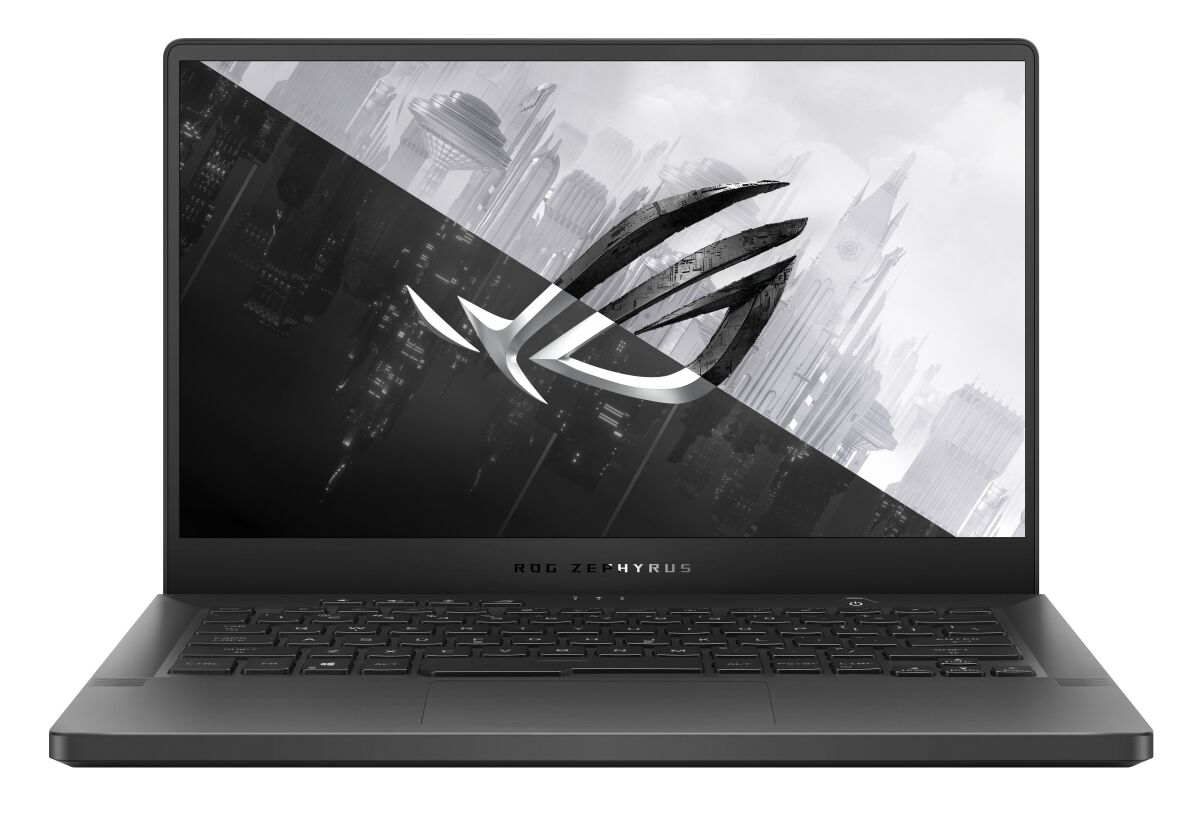
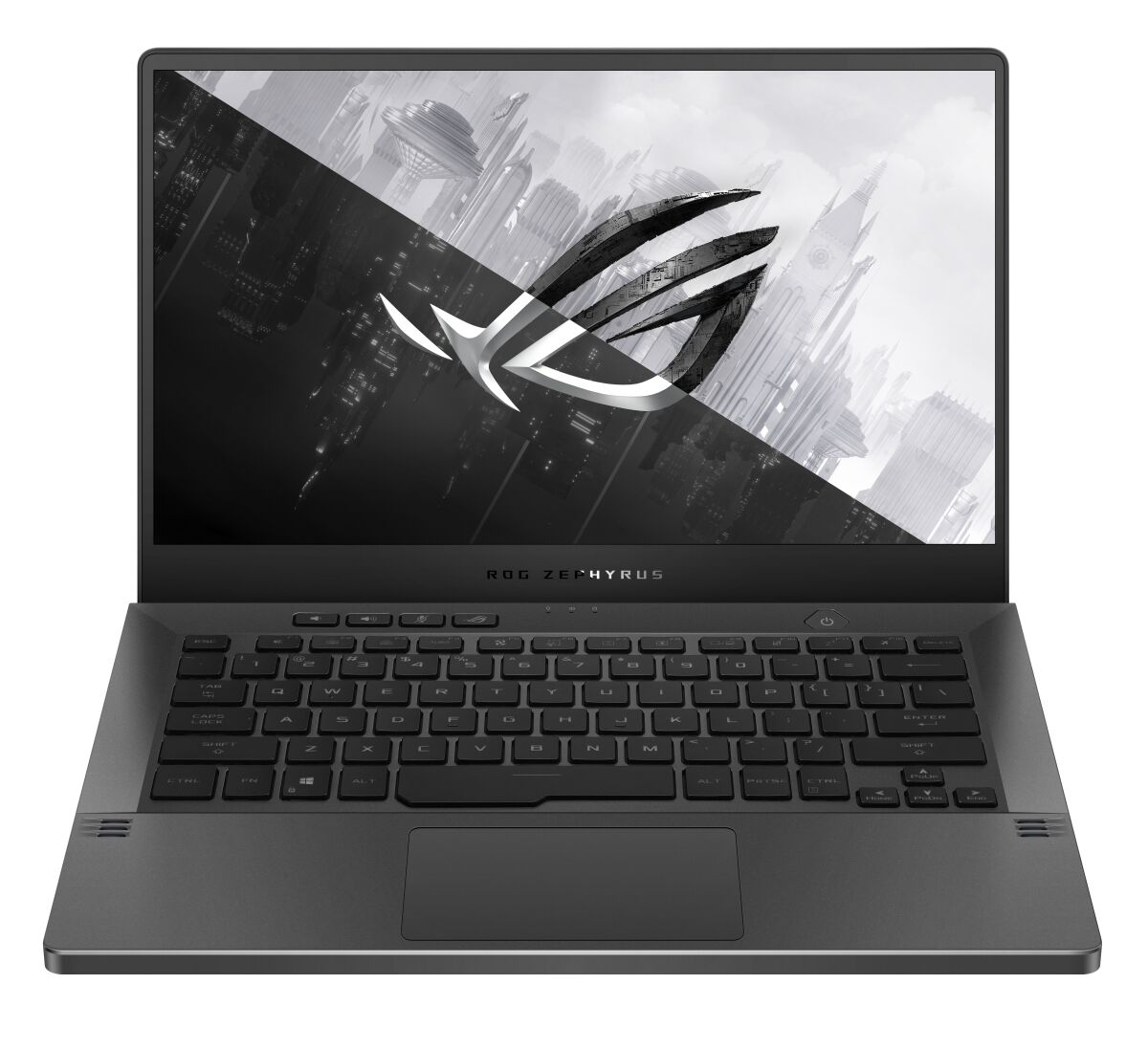
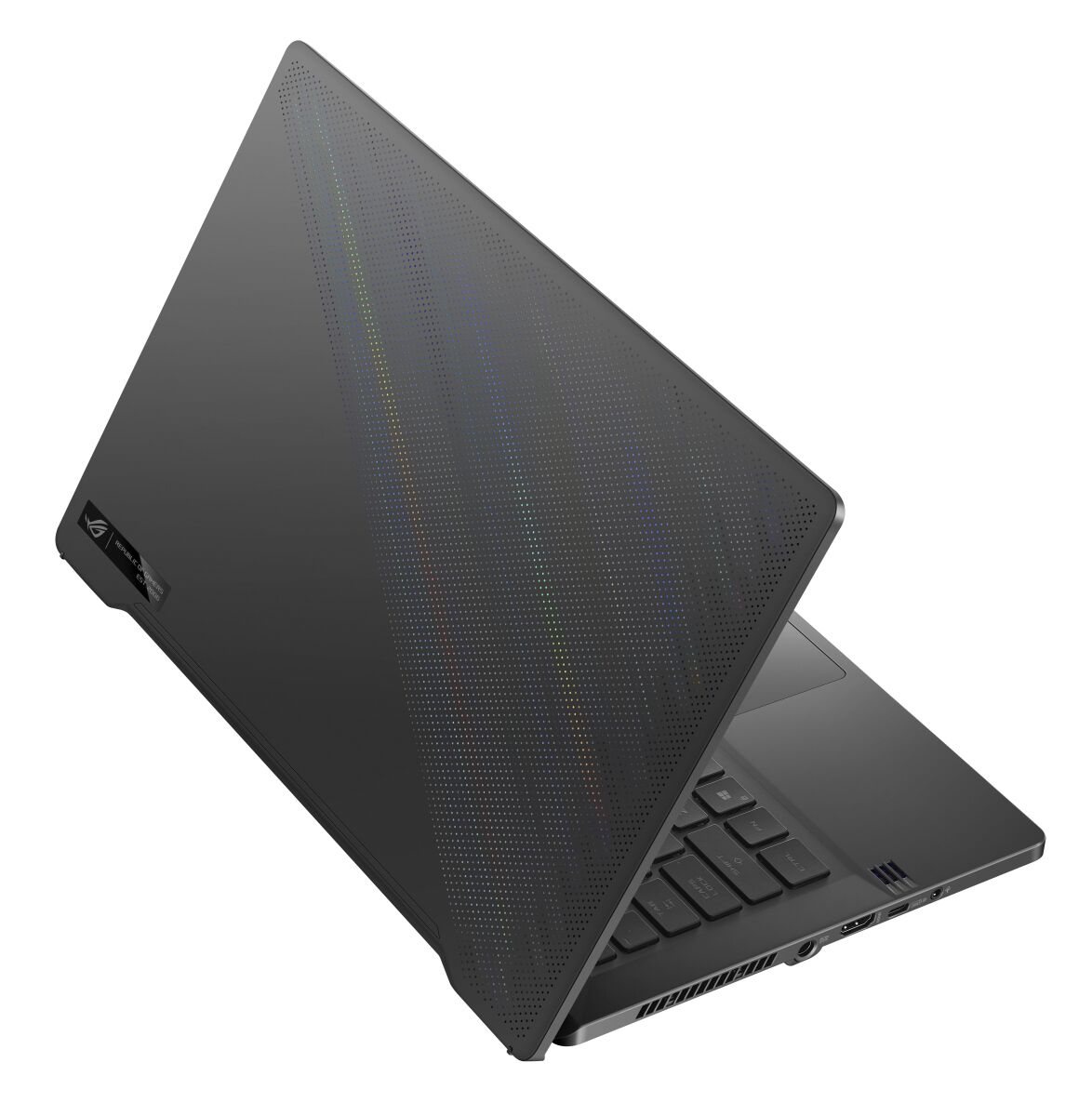

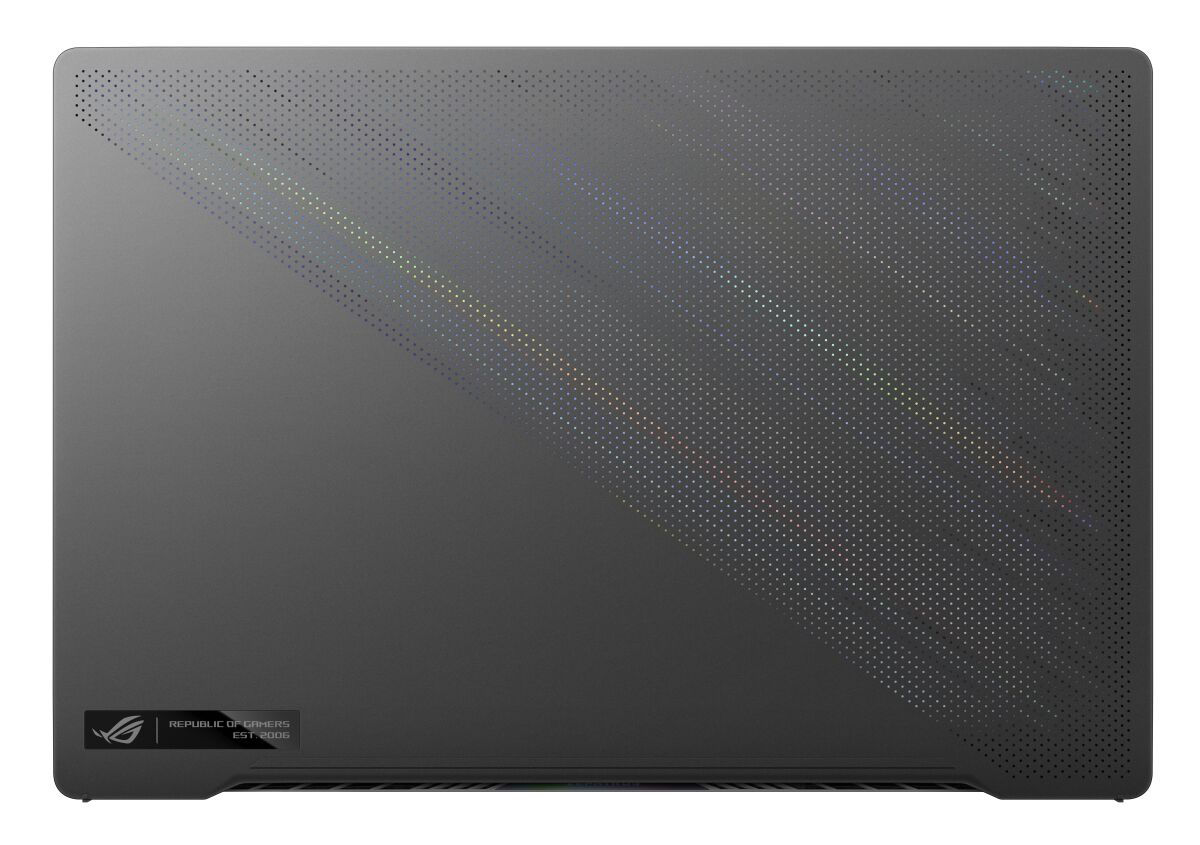
ASUS ROG Zephyrus G14 model GA401QM-HZ024T features DDR4-SDRAM memory upgrade specifications. The laptop contains one SO-DIMM slot for RAM expansion, with maximum compatible capacity of 32 GB. Memory operates at 3200 MHz frequency. The system utilizes a hybrid configuration combining on-board memory with expandable SO-DIMM slot, allowing users to upgrade the default RAM configuration to reach the maximum supported capacity of 32 GB through compatible DDR4-SDRAM modules.
Memory Upgrade Specifications
| Specification | Value |
|---|---|
| Memory slots | 1x SO-DIMM |
| Form factor | On-board + SO-DIMM |
| Memory type | DDR4-SDRAM |
| Frequency | 3200 MHz |
| Maximum RAM | 32 GB |
| Voltage | 1.2V |
| Number of pins | 260-pin |
| Interface | PC4 |
| PC Speed Rating | PC4-3200 (PC4-25600) |
| Bandwidth | 25.6 GB/s |
| Laptop Release date | 13 January 2021 |
Additional Notes
- The ASUS ROG GA401QM-HZ024T features a hybrid memory architecture combining soldered RAM with a single SO-DIMM slot, preventing complete memory replacement and requiring users to retain the factory-installed capacity.
- The on-board plus SO-DIMM configuration limits troubleshooting options, as defective soldered memory cannot be replaced without motherboard-level repair or replacement.
- Achieving the 32 GB maximum capacity requires determining the soldered memory amount first, as the SO-DIMM module must fill the remaining allocation rather than matching the existing capacity for optimal performance.
- DDR4-3200 operates in dual-channel mode when the SO-DIMM capacity matches the soldered RAM amount, but mismatched capacities will run asymmetrically with only the matched portion benefiting from dual-channel bandwidth.
- The single SO-DIMM slot eliminates the possibility of installing two identical modules for guaranteed dual-channel symmetry, making the configuration dependent on the non-upgradeable soldered component.
- Memory bandwidth will be halved in single-channel mode for any capacity exceeding the matched portion, potentially creating performance inconsistencies in memory-intensive applications that allocate beyond the dual-channel range.
- SO-DIMM module compatibility requires matching the 3200 MHz specification, as lower frequencies will downclock the entire memory subsystem including the soldered component, while higher-rated modules will operate at 3200 MHz maximum.
- The memory controller's support for 3200 MHz DDR4 suggests the system likely uses Ryzen 5000 series architecture, where JEDEC-standard modules without XMP profiles provide the most reliable compatibility.
- Physical installation requires accessing the bottom panel, but the soldered memory remains permanently attached to the motherboard, limiting upgrade procedures to SO-DIMM insertion only.
- Warranty preservation depends on following manufacturer guidelines for user-accessible upgrades, as the single SO-DIMM slot typically qualifies as a serviceable component unlike the soldered memory.
- The 32 GB ceiling reflects motherboard chipset limitations rather than module availability, as individual 32 GB SO-DIMM modules exist but cannot be utilized if the soldered capacity plus 32 GB exceeds the maximum.
- Thermal considerations apply when adding maximum capacity, as fully populated memory generates additional heat in the compact chassis typical of this form factor, potentially affecting sustained performance under load.