ASUS ROG GA401QM-HZ276T RAM upgrade specifications

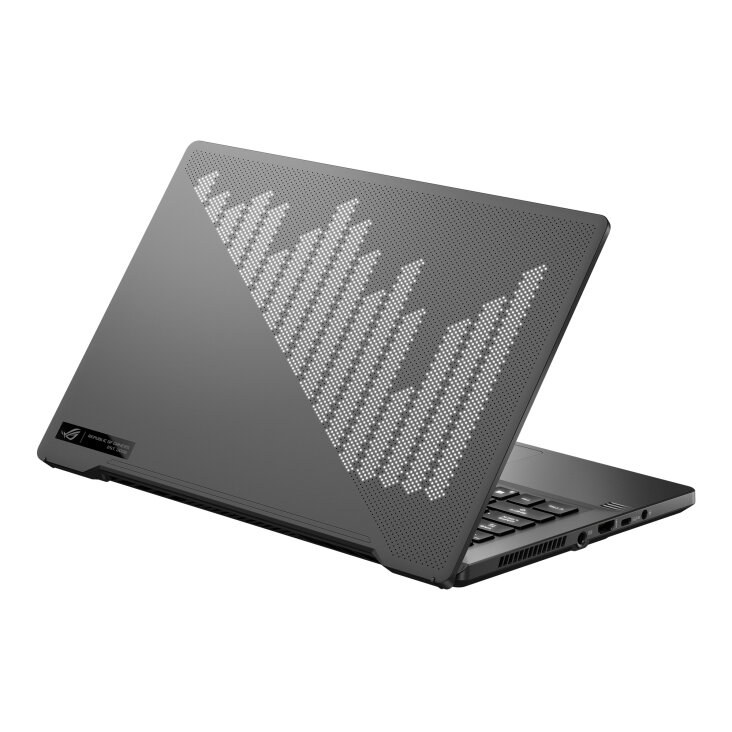
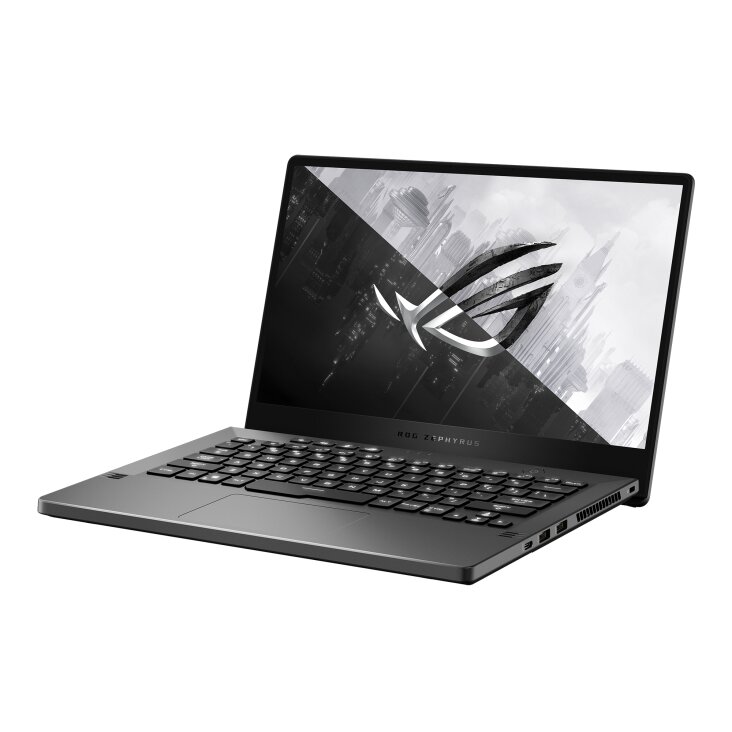
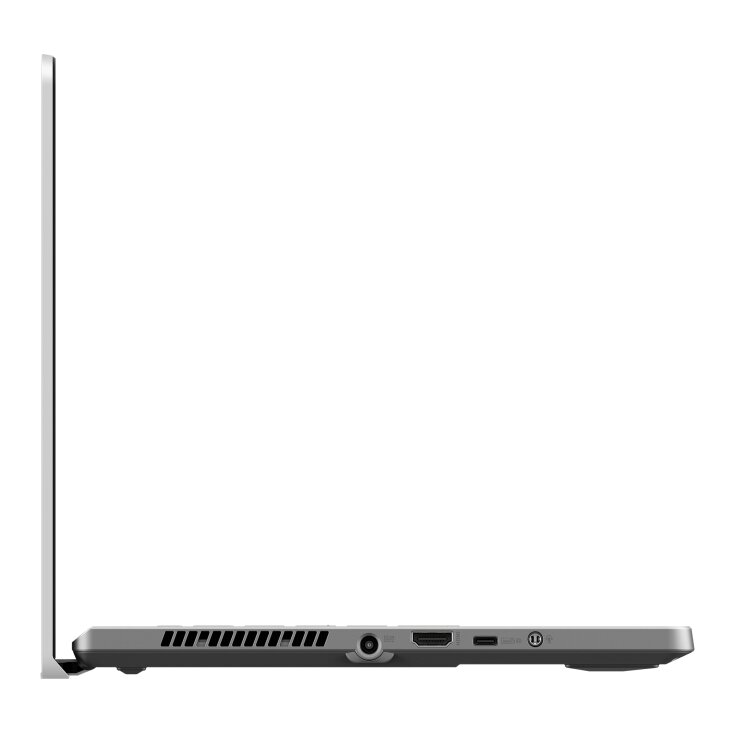
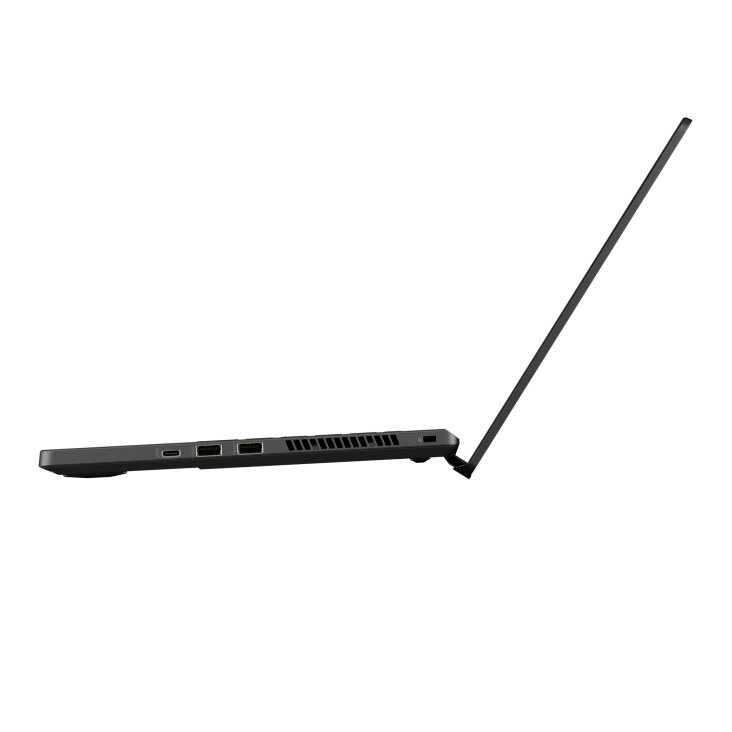
The ASUS ROG Zephyrus G14 GA401QM-HZ276T features one SO-DIMM slot for DDR4-SDRAM memory upgrade. Compatible RAM modules operate at 3200 MHz frequency. Maximum supported capacity reaches 32 GB per slot, allowing up to 32 GB total memory configuration. Specifications indicate single-slot expandability, with DDR4-SDRAM technology providing the upgrade pathway for this gaming laptop model.
Memory Upgrade Specifications
| Specification | Value |
|---|---|
| Memory slots | 1x SO-DIMM |
| Form factor | SO-DIMM |
| Memory type | DDR4-SDRAM |
| Frequency | 3200 MHz |
| Maximum RAM | 32 GB |
| Voltage | 1.2V |
| Number of pins | 260-pin |
| Interface | PC4 |
| PC Speed Rating | PC4-3200 (PC4-25600) |
| Bandwidth | 25.6 GB/s |
| Laptop Release date | 24 March 2022 |
Additional Notes
- The presence of a single expansion slot indicates that a portion of the total memory capacity is soldered directly to the motherboard, creating a secondary channel that cannot be replaced.
- Asymmetrical memory configurations occur if the installed SO-DIMM capacity does not match the soldered amount, which results in the system operating in partial dual-channel mode via Intel Flex or AMD equivalent technology.
- The ASUS ROG GA401QM-HZ276T achieves peak memory bandwidth only when the timings and voltage of the expansion module align with the fixed onboard chips.
- Maximum capacity limitations imply that the BIOS will reject high-density modules exceeding 32 total gigabytes, potentially leading to a failure to post if 32 or 64 gigabyte sticks are used in the single slot.
- Upgrading the removable module requires breaking the factory seal on the bottom chassis, though this generally maintains warranty status in most regions provided no physical damage occurs to the internal logic board.
- Thermal constraints within the compact chassis necessitate the use of 1.2V low-voltage modules to prevent localized heat buildup near the CPU socket.
- Latency performance is dictated by the slowest memory chip in the circuit, meaning high-performance CL16 or CL18 modules will downclock to match the JEDEC profile of the permanent soldered memory.