ASUS ROG GA401QM-HZ279 RAM upgrade specifications




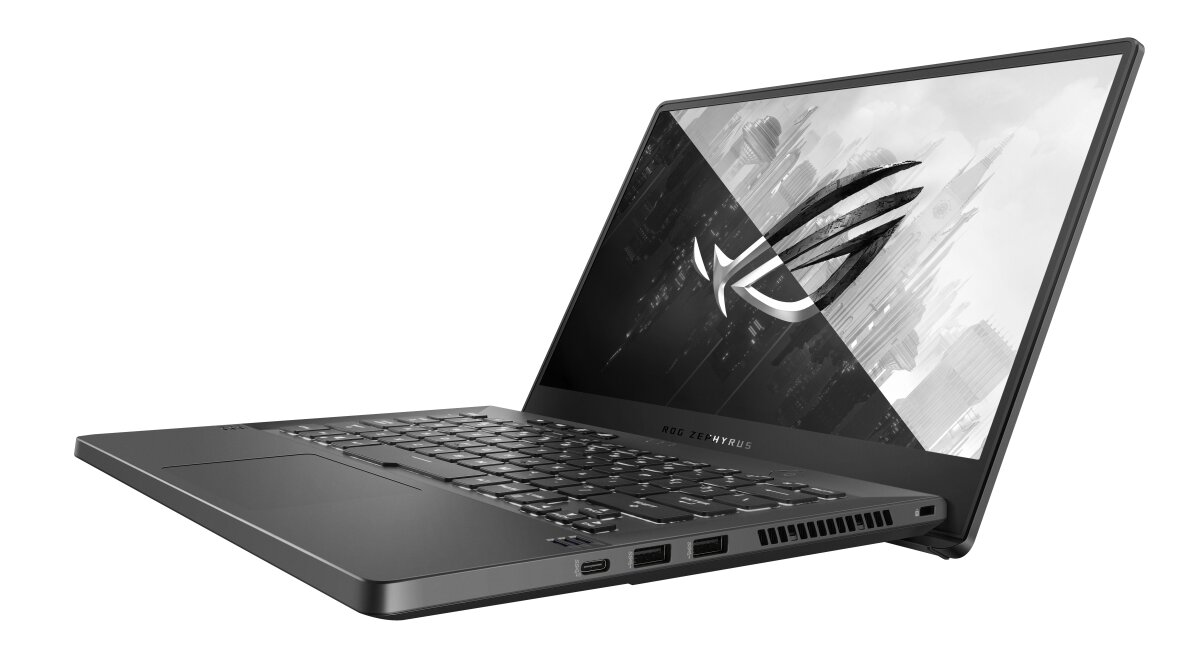
ASUS ROG Zephyrus G14 GA401QM-HZ279 memory upgrade specifications indicate DDR4-SDRAM compatibility with one SO-DIMM slot available for expansion. Upgrade capacity reaches maximum of 32 GB total RAM, combining on-board memory with the SO-DIMM slot. Memory operates at 3200 MHz frequency, with compatible modules designed for laptop SO-DIMM form factor installation. Specifications support standard DDR4 memory upgrades for enhanced multitasking and performance capabilities.
Memory Upgrade Specifications
| Specification | Value |
|---|---|
| Memory slots | 1x SO-DIMM |
| Form factor | On-board + SO-DIMM |
| Memory type | DDR4-SDRAM |
| Frequency | 3200 MHz |
| Maximum RAM | 32 GB |
| Voltage | 1.2V |
| Number of pins | 260-pin |
| Interface | PC4 |
| PC Speed Rating | PC4-3200 (PC4-25600) |
| Bandwidth | 25.6 GB/s |
| Laptop Release date | 28 July 2021 |
Additional Notes
- The ASUS ROG GA401QM-HZ279 features a hybrid memory architecture with soldered RAM alongside a single accessible slot, limiting future expansion to one module replacement rather than dual-channel population.
- Achieving the 32 GB maximum capacity requires installing a single 16 GB SO-DIMM module to complement the onboard memory, assuming 16 GB is already soldered to the motherboard.
- The single SO-DIMM configuration prevents symmetric dual-channel operation if the soldered and socketed modules differ in capacity, potentially reducing memory bandwidth in asymmetric flex mode.
- DDR4-3200 represents a JEDEC standard speed requiring no BIOS adjustments, though compatibility depends on matching the voltage and timing specifications of the factory-installed onboard memory.
- Physical access to the SO-DIMM slot typically requires bottom panel removal, which may void warranty seals depending on regional service policies and the specific warranty terms applicable to this model.
- The SO-DIMM form factor measures 67.6 mm in length compared to standard DIMM modules, necessitating laptop-specific memory rather than desktop components.
- Mixing memory modules from different manufacturers with the soldered onboard RAM can introduce stability issues due to differing chip densities and sub-timing parameters not visible in standard specifications.
- Heat dissipation from the single upgradeable slot depends on motherboard placement, with modules positioned near thermal zones experiencing higher operating temperatures that may trigger throttling under sustained workloads.
- The 3200 MHz frequency operates at 1.2 volts standard, though verifying the onboard memory voltage ensures the replacement module matches to prevent POST failures or automatic downclocking.
- Single-rank versus dual-rank SO-DIMM configuration affects interleaving efficiency with the soldered memory, with rank mismatch potentially limiting performance despite meeting capacity specifications.