ASUS ROG GA401QM-K2023T-BE RAM upgrade specifications


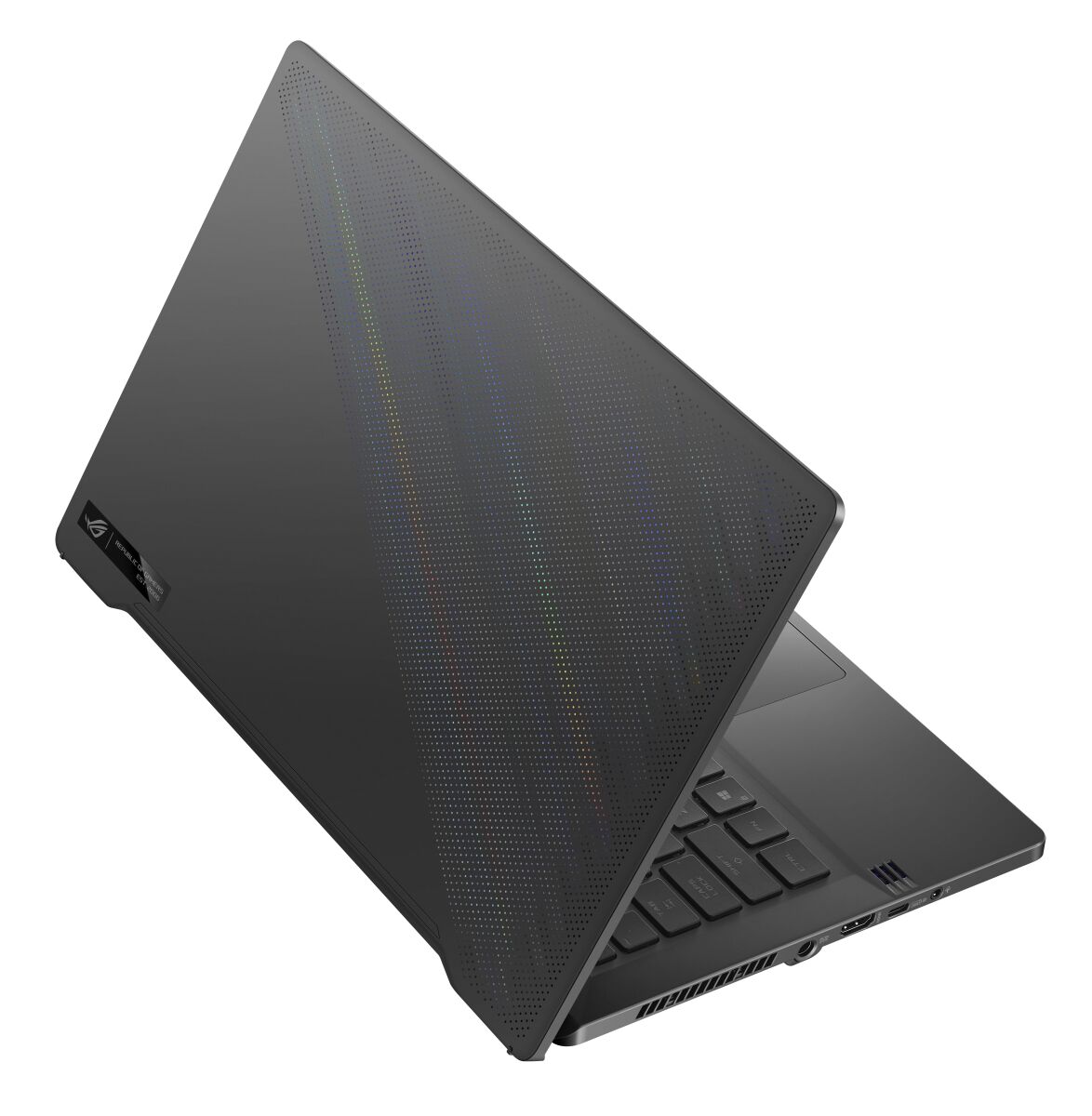

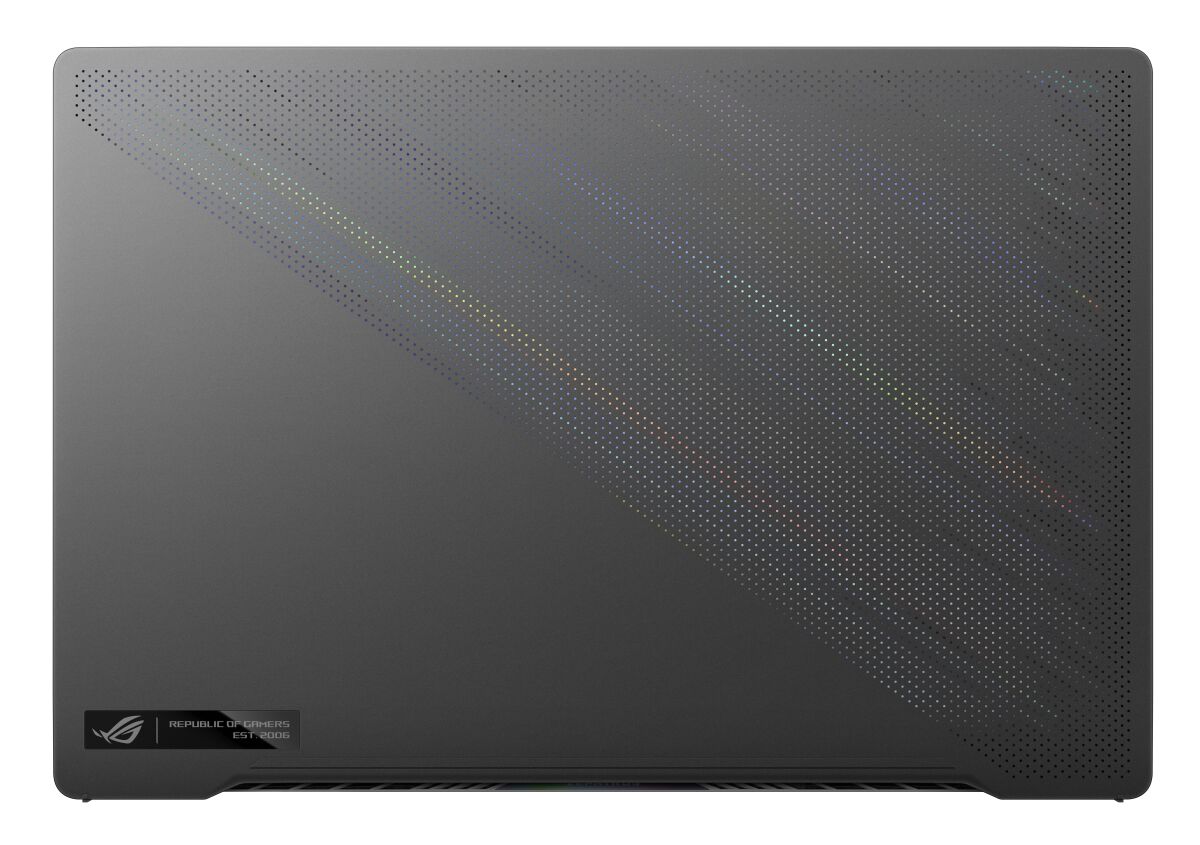
The ASUS ROG Zephyrus G14 GA401QM-K2023T-BE features DDR4-SDRAM memory with upgrade capacity specifications. The laptop contains one SO-DIMM slot for memory expansion, enabling users to install additional RAM modules. Maximum supported RAM capacity reaches 32 GB, combining on-board memory with removable SO-DIMM modules. Compatible memory modules operate at 3200 MHz frequency. The upgrade configuration allows for enhanced multitasking and performance through memory expansion in the available SO-DIMM slot, subject to maximum capacity limitations and compatibility specifications of the GAO401QM series.
Memory Upgrade Specifications
| Specification | Value |
|---|---|
| Memory slots | 1x SO-DIMM |
| Form factor | On-board + SO-DIMM |
| Memory type | DDR4-SDRAM |
| Frequency | 3200 MHz |
| Maximum RAM | 32 GB |
| Voltage | 1.2V |
| Number of pins | 260-pin |
| Interface | PC4 |
| PC Speed Rating | PC4-3200 (PC4-25600) |
| Bandwidth | 25.6 GB/s |
| Laptop Release date | 13 January 2021 |
Additional Notes
- The ASUS ROG GA401QM-K2023T-BE features a hybrid memory architecture combining soldered RAM with a single expansion slot, limiting upgrade flexibility compared to dual-slot configurations.
- DDR4-3200 operates at PC4-25600 bandwidth standard, delivering 25.6 GB/s theoretical maximum throughput per channel in dual-channel mode.
- The single SO-DIMM slot configuration requires matching the soldered memory's specifications exactly to maintain dual-channel operation and avoid asymmetric performance penalties.
- Mismatched capacity or speed between soldered and slotted modules forces the memory controller into flex mode, potentially reducing bandwidth efficiency in applications that exceed the symmetric capacity threshold.
- The 32 GB maximum suggests an 8 GB or 16 GB soldered component, limiting the practical upgrade ceiling when accounting for module availability and cost-effectiveness.
- SO-DIMM DDR4-3200 modules require 1.2V standard operating voltage, with higher voltage XMP profiles typically incompatible with laptop memory controllers lacking manual voltage adjustment.
- Non-standard module heights exceeding JEDEC specifications may create physical clearance conflicts with the laptop's chassis or thermal components in compact gaming laptop designs.
- Memory upgrades on hybrid architectures typically do not affect manufacturer warranties when performed with JEDEC-compliant modules, though physical installation errors remain user responsibility.
- The 3200 MHz frequency represents the maximum supported speed rather than a minimum requirement, allowing lower-frequency modules with automatic downclocking to maintain compatibility.
- Single-rank versus dual-rank module selection impacts interleaving efficiency, with dual-rank configurations occasionally providing minor performance improvements in memory-intensive workloads despite identical capacity and frequency.
- CAS latency variations within DDR4-3200 specification (typically CL19-CL22) produce measurable differences in latency-sensitive tasks, though gaming performance differences remain within margin of error for most titles.