ASUS ROG GA401QM-K2029T RAM upgrade specifications



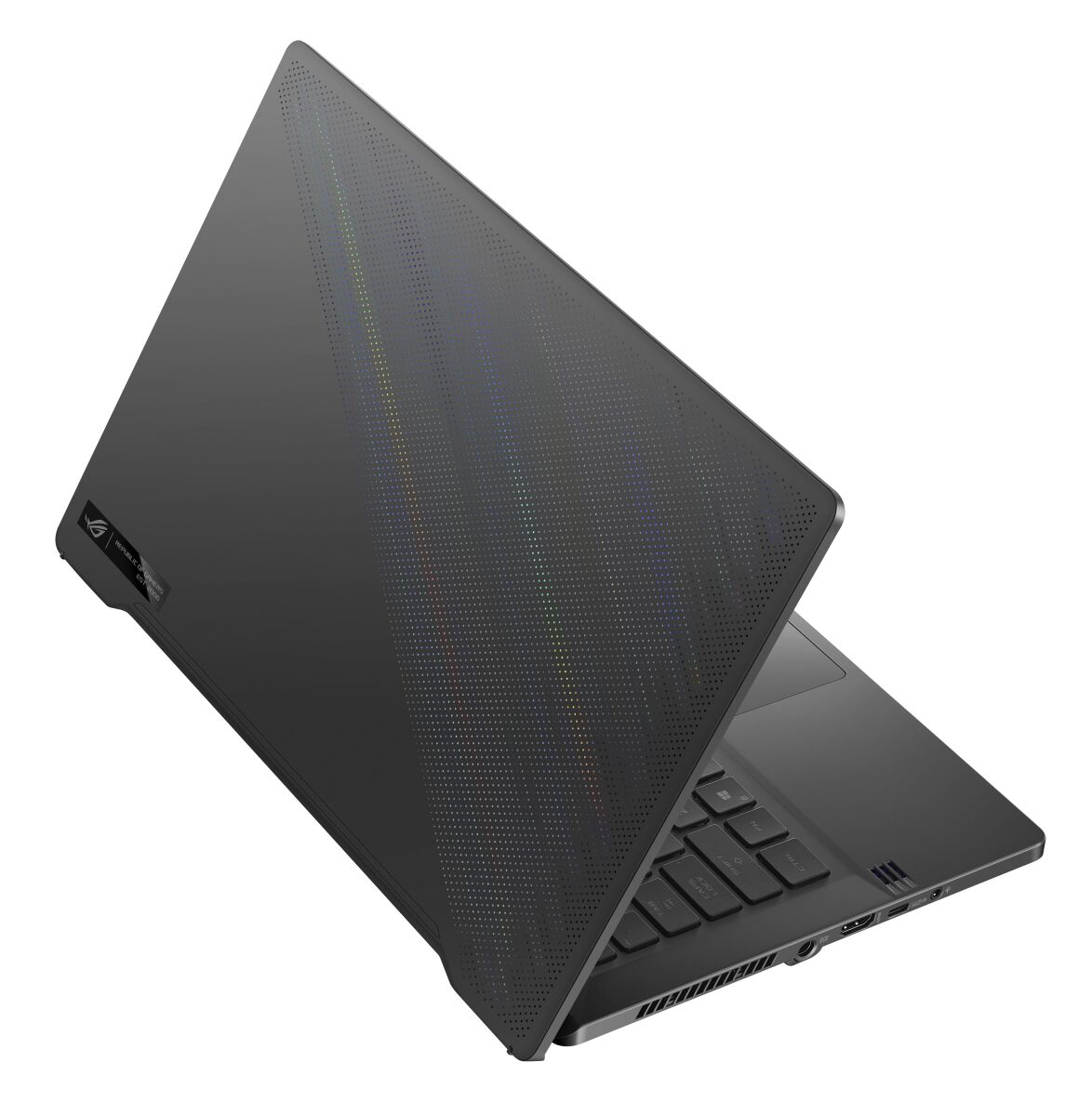
ASUS ROG Zephyrus G14 GA401QM-K2029T memory upgrade specifications include one SO-DIMM slot for DDR4-SDRAM expansion. The laptop features a maximum RAM capacity of 24 GB, with compatible memory modules operating at 3200 MHz frequency. The memory configuration consists of on-board integrated memory paired with one replaceable SO-DIMM slot, allowing users to upgrade storage capacity through compatible DDR4 memory modules within specifications.
Memory Upgrade Specifications
| Specification | Value |
|---|---|
| Memory slots | 1x SO-DIMM |
| Form factor | On-board + SO-DIMM |
| Memory type | DDR4-SDRAM |
| Frequency | 3200 MHz |
| Maximum RAM | 24 GB |
| Voltage | 1.2V |
| Number of pins | 260-pin |
| Interface | PC4 |
| PC Speed Rating | PC4-3200 (PC4-25600) |
| Bandwidth | 25.6 GB/s |
| Laptop Release date | 01 February 2021 |
Additional Notes
- The ASUS ROG GA401QM-K2029T allocates 16 GB of soldered memory directly to the motherboard, leaving only 1 SO-DIMM slot accessible for user upgrades. This hybrid configuration permanently locks half the total memory capacity and prevents symmetric dual-channel operation.
- Upgrading the single SO-DIMM slot to 8 GB creates an asymmetrical memory configuration (16 GB soldered + 8 GB modular), which forces the system into flex mode rather than dual-channel operation. The 16 GB on-board module cannot be addressed independently during bandwidth negotiation, resulting in reduced memory throughput compared to matched dual-channel setups.
- The 3200 MHz specification applies only to the SO-DIMM slot. The on-board memory operates at this frequency by default, but mixing identical 8 GB modules from different manufacturers or production batches may force downclocking if timing parameters diverge. Third-party replacement modules require validation against the on-board memory's exact timing signature (likely 22-22-22-52 or similar) to maintain rated frequency.
- The 24 GB ceiling represents the hard limit imposed by the platform's memory controller and BIOS. Installing modules exceeding DDR4-3200 specifications (such as 3600 MHz variants) will run at 3200 MHz, wasting the higher frequency rating and adding unnecessary cost without performance recovery.
- Warranty implications depend on the manufacturer's treatment of SO-DIMM replacement. If the soldered memory fails, the entire system board requires replacement under standard coverage. User-installed modules remain covered only if the installation does not damage adjacent components during removal or insertion.