ASUS ROG GU603HM-K8004T-BE RAM upgrade specifications

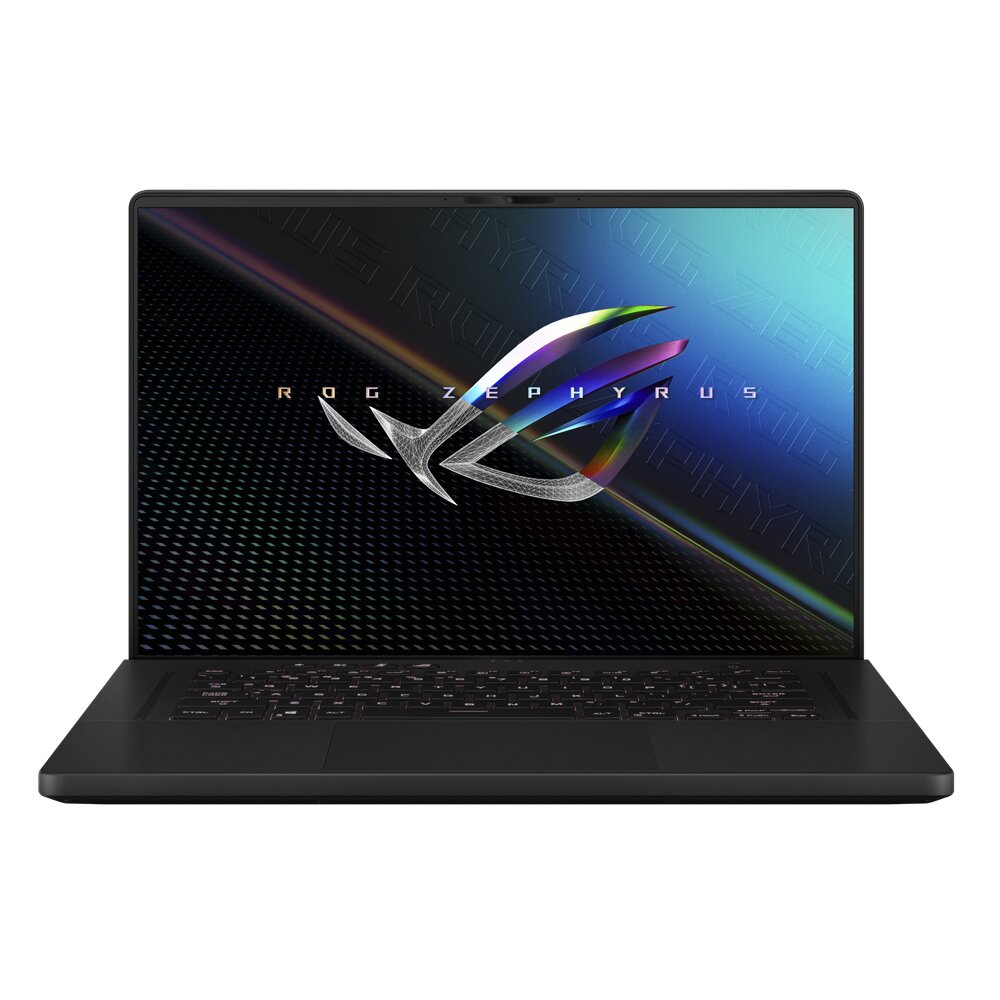
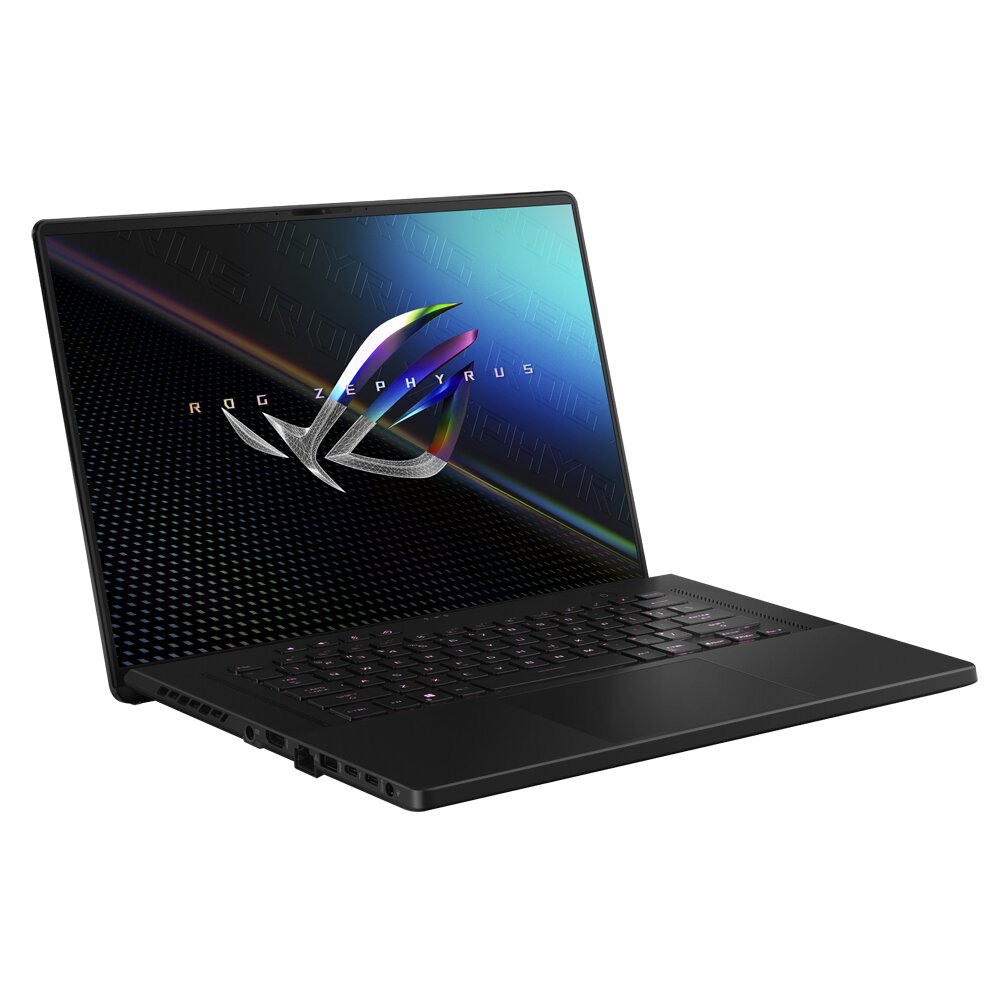
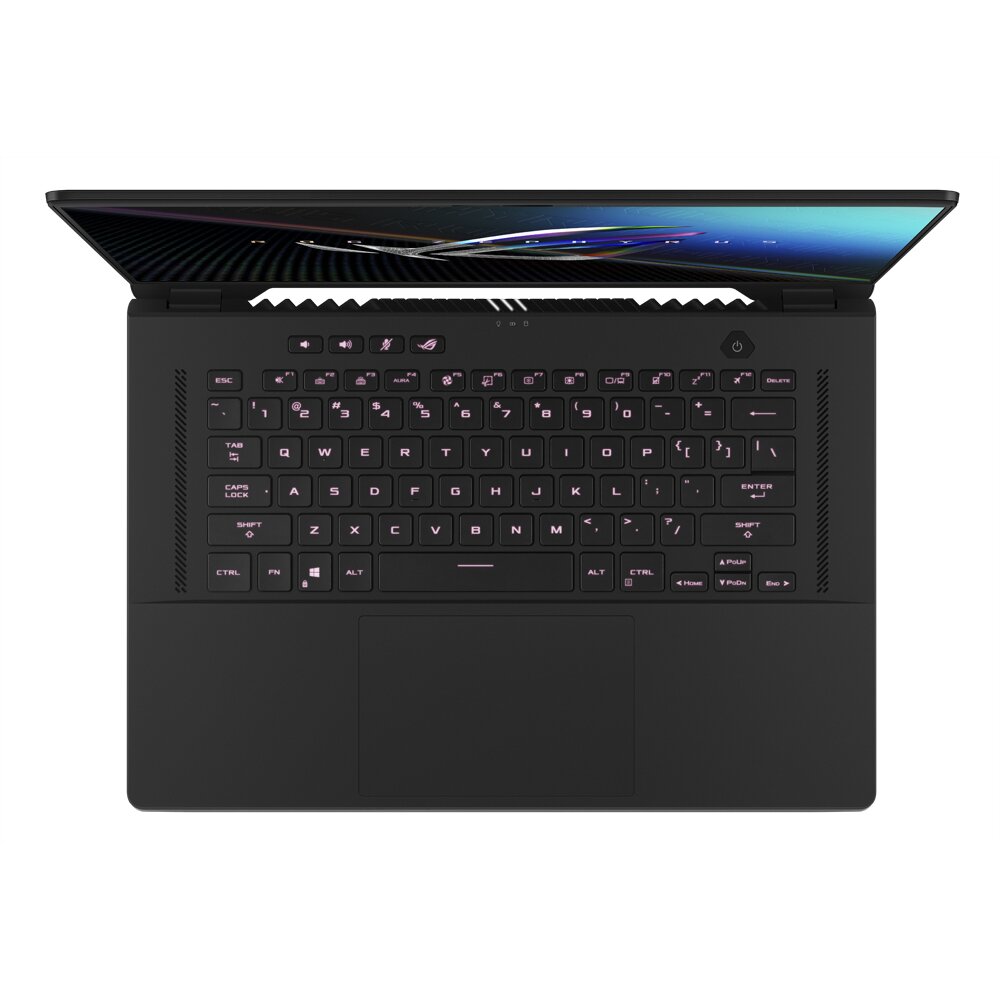
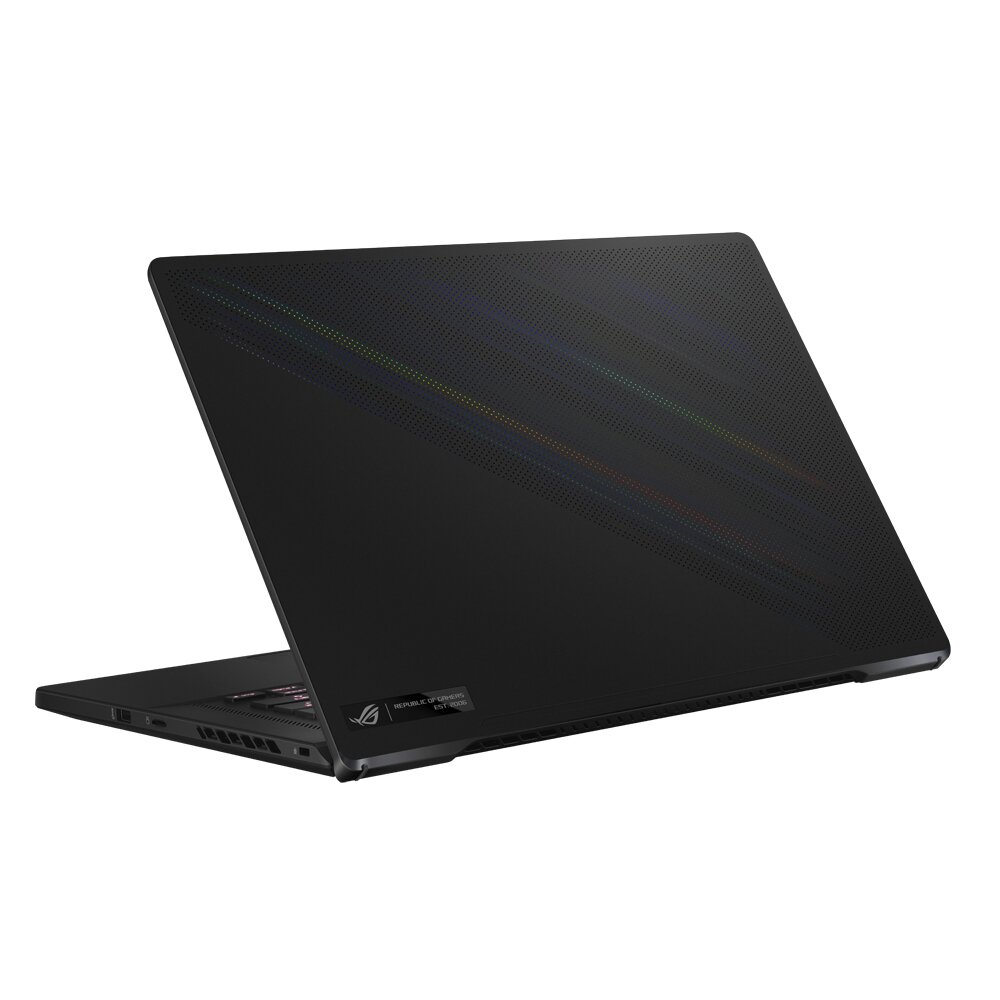
ASUS ROG Zephyrus M16 model GU603HM-K8004T-BE supports DDR4-SDRAM memory upgrade through 1x SO-DIMM slot. Compatible RAM specifications include 3200 MHz frequency with maximum capacity of 48 GB. Laptop features hybrid memory configuration combining on-board and SO-DIMM form factor. Upgrade slots accommodate standard SO-DIMM modules for increased system memory capacity.
Memory Upgrade Specifications
| Specification | Value |
|---|---|
| Memory slots | 1x SO-DIMM |
| Form factor | On-board + SO-DIMM |
| Memory type | DDR4-SDRAM |
| Frequency | 3200 MHz |
| Maximum RAM | 48 GB |
| Voltage | 1.2V |
| Number of pins | 260-pin |
| Interface | PC4 |
| PC Speed Rating | PC4-3200 (PC4-25600) |
| Bandwidth | 25.6 GB/s |
| Laptop Release date | 07 October 2021 |
Additional Notes
- The ASUS ROG GU603HM-K8004T-BE features a hybrid memory architecture with soldered RAM on the motherboard paired with a single accessible SO-DIMM slot, restricting upgrade flexibility compared to dual-slot configurations.
- The 48 GB maximum capacity indicates 16 GB of non-removable soldered memory, allowing a single 32 GB SO-DIMM module to reach the system ceiling without requiring matched pairs.
- DDR4-3200 modules must be used to maintain dual-channel operation with the onboard memory, as mixing speeds would force both channels to operate at the lower frequency.
- Single-slot accessibility limits future-proofing since reaching maximum capacity requires immediately installing the largest compatible module rather than incremental upgrades through multiple smaller modules.
- The SO-DIMM form factor constraint eliminates compatibility with standard DIMM desktop modules, requiring laptop-specific components with different pin configurations and physical dimensions.
- CAS latency specifications become critical in single-slot scenarios because mismatched timings between the SO-DIMM and soldered memory can create stability issues or force both to operate at looser timings.
- Warranty preservation requires avoiding disassembly beyond the designated user-accessible compartment, as the soldered component remains permanently installed and cannot be serviced without motherboard-level intervention.
- Bandwidth allocation in this hybrid configuration distributes the dual-channel interface across both the soldered and socketed memory, meaning both must be populated to maintain full throughput.
- Thermal considerations arise because a high-density 32 GB SO-DIMM generates more heat than smaller modules in the confined laptop chassis, potentially affecting sustained performance under load.
- Voltage compatibility at 1.2V standard for DDR4 must be verified, as low-voltage variants intended for different platforms will not function in this system architecture.