ASUS ROG GU603HM-K8044T RAM upgrade specifications

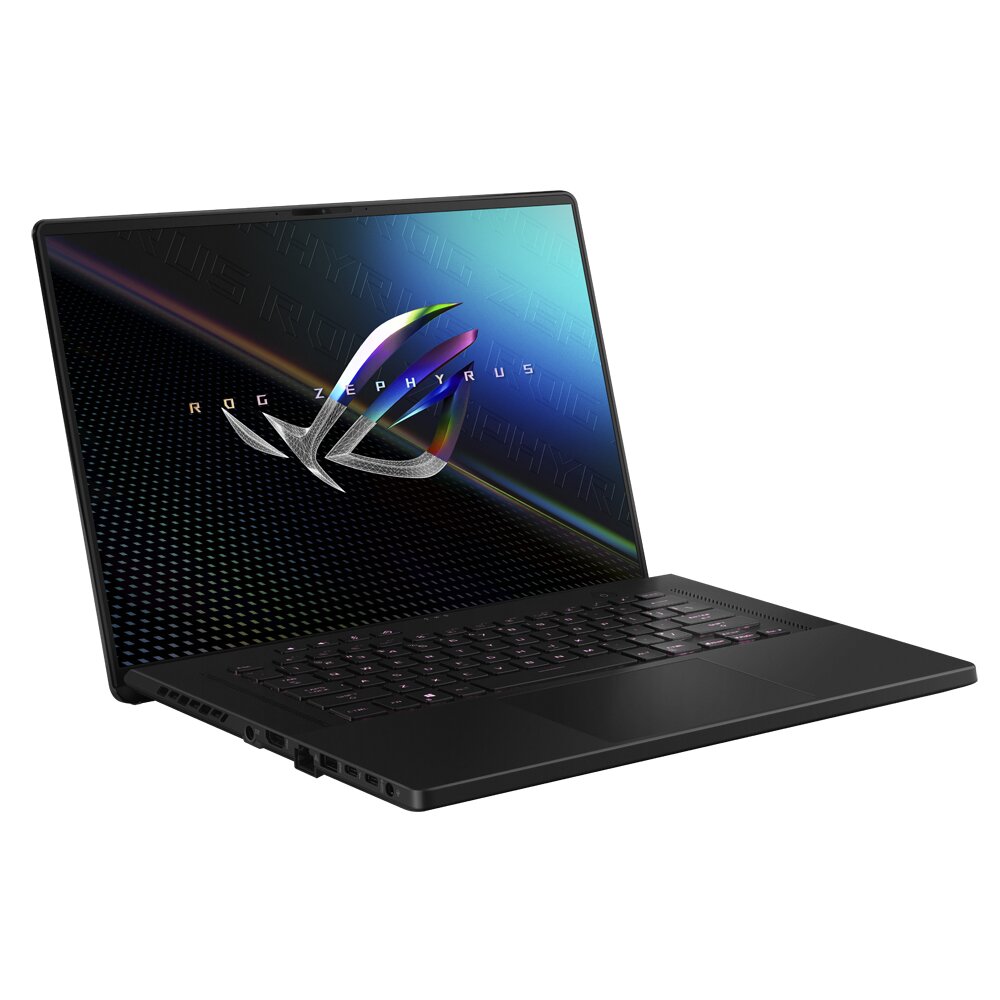
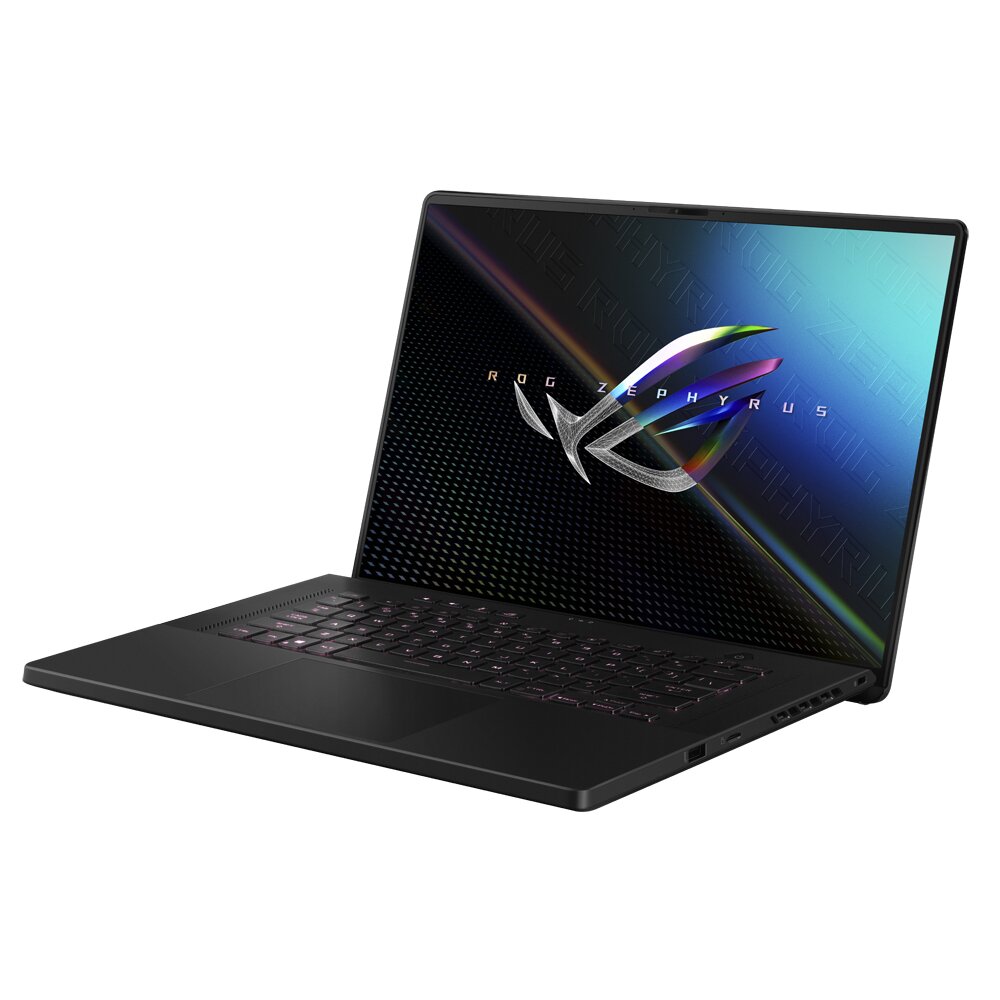
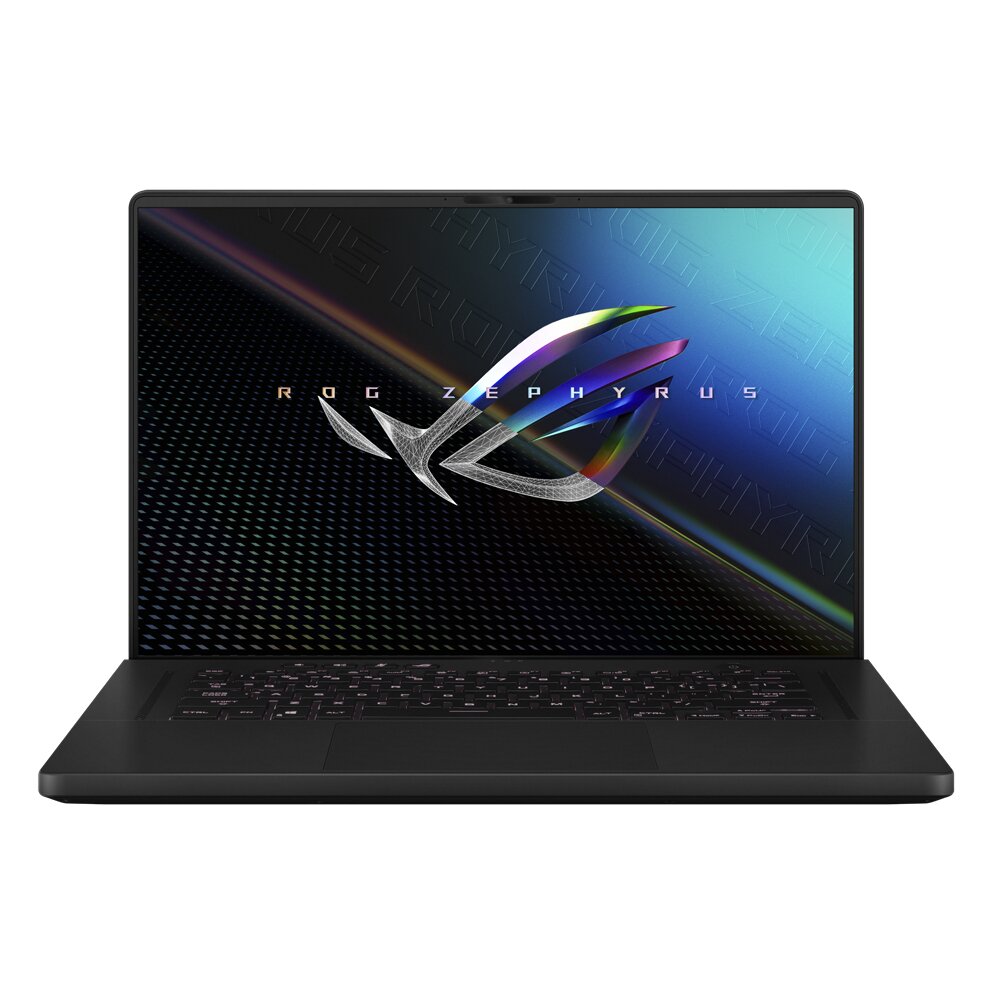

ASUS ROG Zephyrus M16 GU603HM-K8044T supports DDR4-SDRAM memory upgrade specifications. The laptop features one SO-DIMM slot compatible with DDR4 modules operating at 3200 MHz frequency. Maximum RAM capacity reaches 48 GB total, combining on-board memory with the SO-DIMM upgrade slot. Compatible memory upgrades enable expansion of system memory to enhance multitasking and performance capabilities on this gaming laptop model.
Memory Upgrade Specifications
| Specification | Value |
|---|---|
| Memory slots | 1x SO-DIMM |
| Form factor | On-board + SO-DIMM |
| Memory type | DDR4-SDRAM |
| Frequency | 3200 MHz |
| Maximum RAM | 48 GB |
| Voltage | 1.2V |
| Number of pins | 260-pin |
| Interface | PC4 |
| PC Speed Rating | PC4-3200 (PC4-25600) |
| Bandwidth | 25.6 GB/s |
| Laptop Release date | 30 November 2021 |
Additional Notes
- The ASUS ROG GU603HM-K8044T contains soldered memory on the motherboard, meaning only 1 SO-DIMM slot remains accessible for upgrades, restricting total expandability to a single module addition.
- DDR4-3200 specification indicates the system operates at standard JEDEC voltage (1.2V), but aftermarket modules rated for higher frequencies will downclock to 3200 MHz due to BIOS constraints, eliminating performance gains from premium memory.
- The 48 GB ceiling implies approximately 16 GB soldered memory plus 1 slot supporting 32 GB modules, making maximum expansion a single 32 GB SO-DIMM purchase rather than matched dual-channel configurations.
- SO-DIMM form factor requires laptop-specific modules; standard desktop DDR4 DIMMs are physically incompatible and cannot be force-fitted without risking connector damage.
- Upgrading beyond the pre-soldered capacity breaks dual-channel symmetry, forcing the system to operate in single-channel mode for the new module, reducing memory bandwidth efficiency by approximately 50 percent for that capacity portion.
- Warranty coverage typically permits SO-DIMM replacement without manufacturer restrictions, but soldered memory defects remain non-user-serviceable and void coverage if installation tools damage surrounding components.
- The single expansion slot creates a permanent bottleneck where future memory demands exceeding 48 GB cannot be satisfied through hardware modifications, effectively capping the system's useful lifespan for memory-intensive workloads.