ASUS ROG GU603ZE-K8039W RAM upgrade specifications
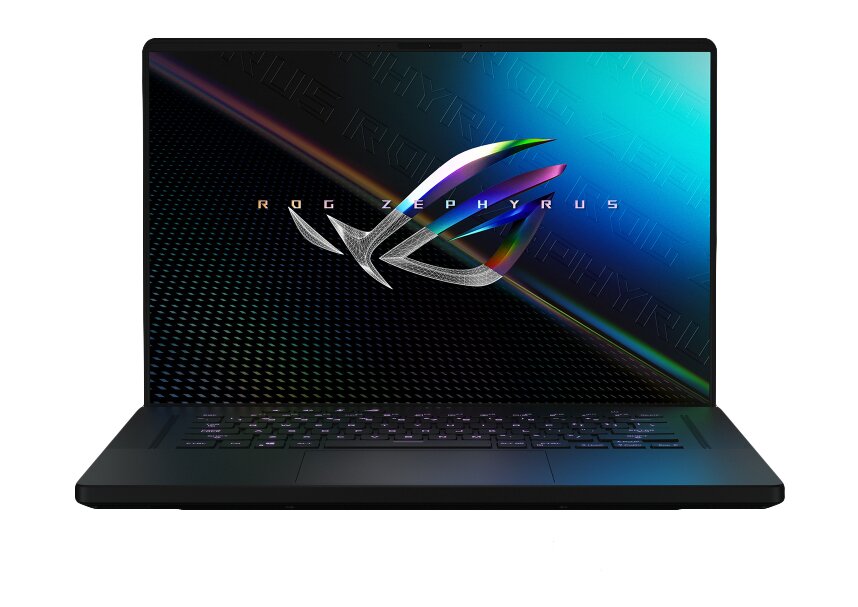

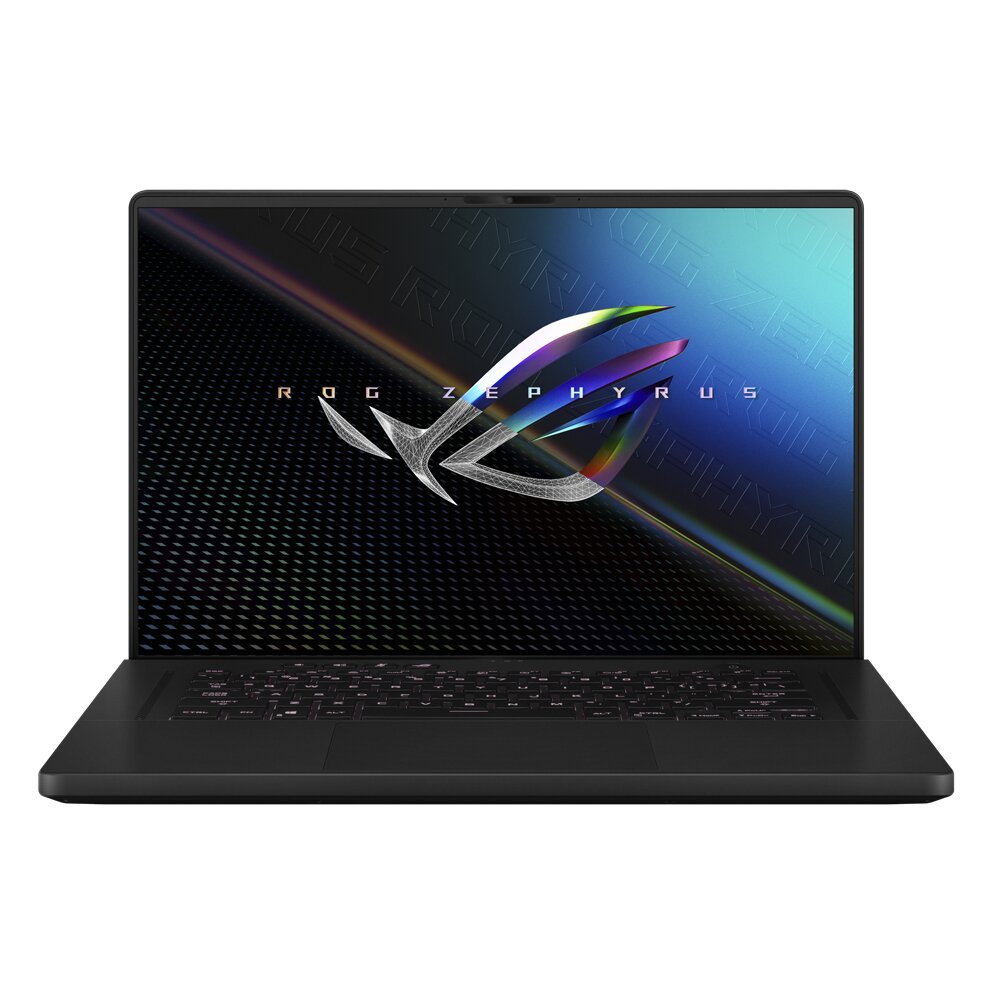
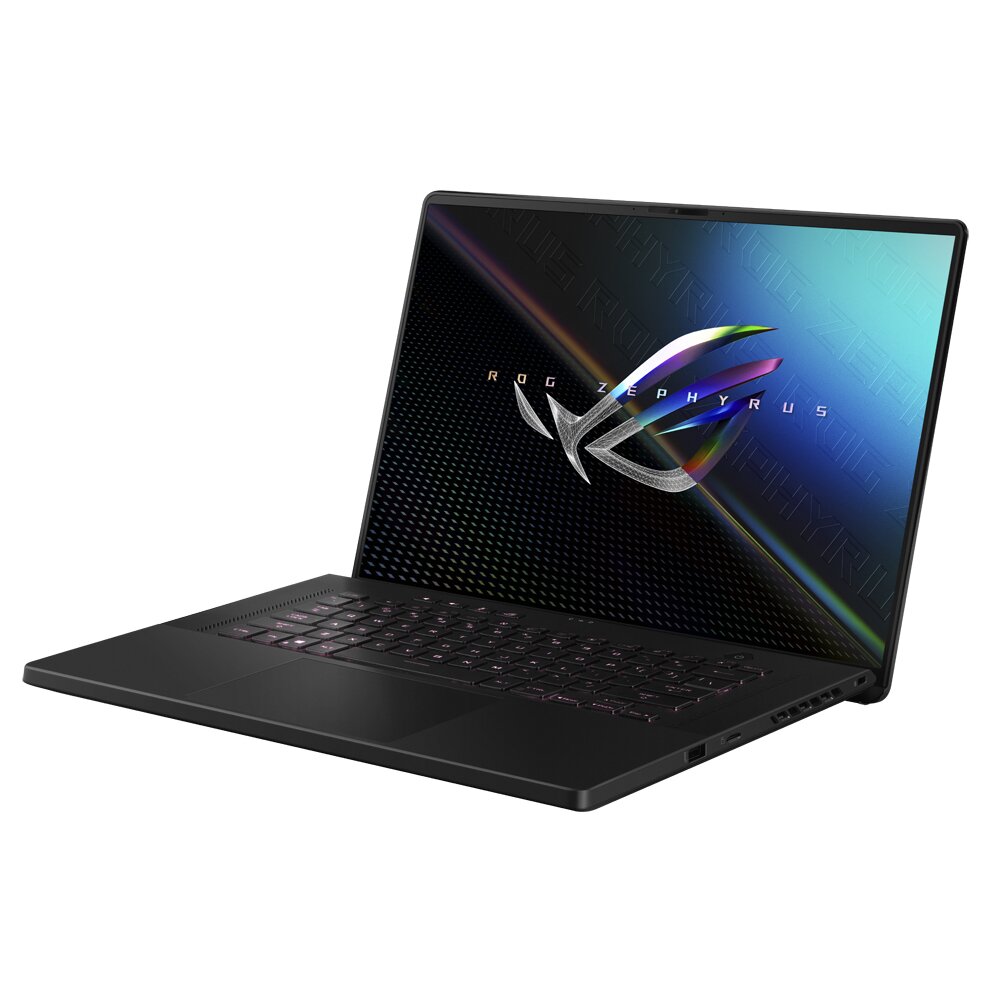
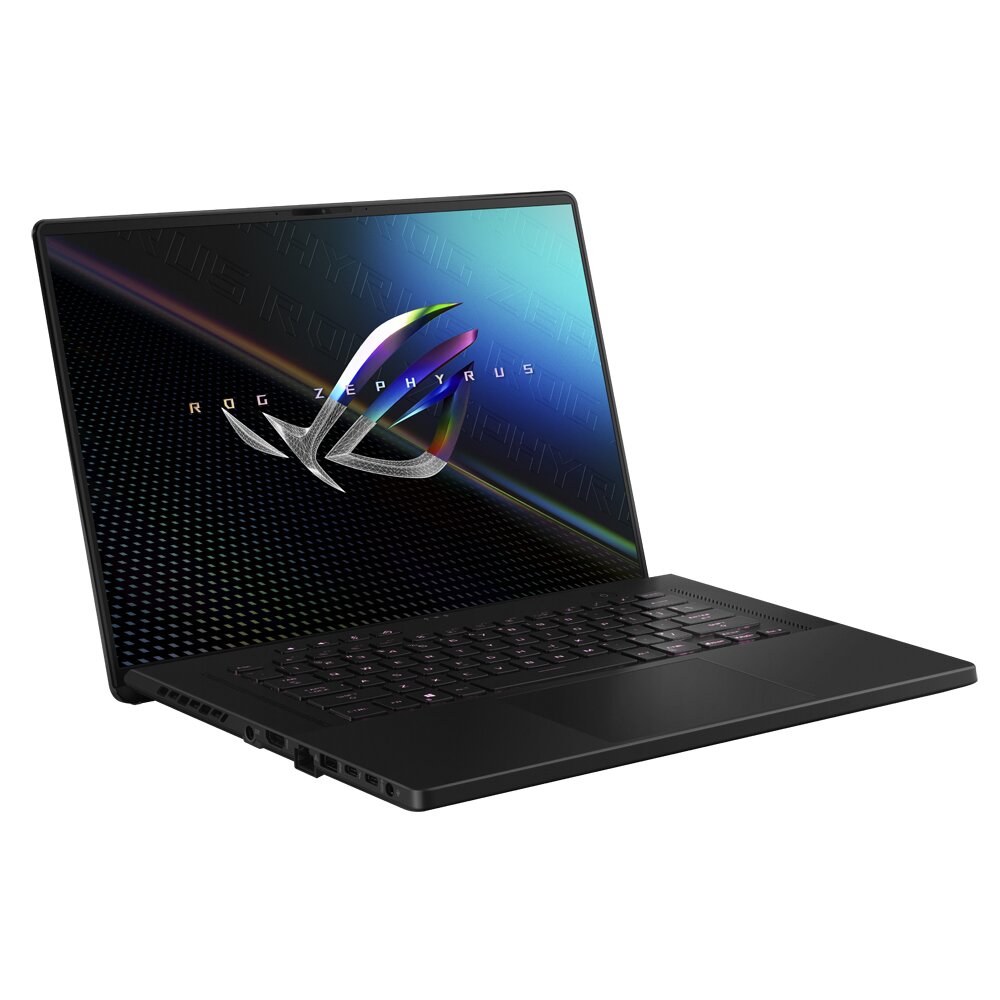
The ASUS ROG Zephyrus M16 GU603ZE-K8039W features DDR5-SDRAM memory specifications with one SO-DIMM slot available for RAM upgrade. The laptop incorporates on-board memory combined with expandable SO-DIMM capacity, supporting maximum memory of 40 GB. Compatible upgrades operate at 4800 MHz frequency. The specifications enable memory expansion beyond factory configuration through the accessible SO-DIMM slot, providing compatibility with DDR5 modules meeting the defined maximum capacity and frequency parameters for this gaming laptop model.
Memory Upgrade Specifications
| Specification | Value |
|---|---|
| Memory slots | 1x SO-DIMM |
| Form factor | On-board + SO-DIMM |
| Memory type | DDR5-SDRAM |
| Frequency | 4800 MHz |
| Maximum RAM | 40 GB |
| Voltage | 1.1V |
| Number of pins | 262-pin |
| Interface | PC5 |
| PC Speed Rating | PC5-4800 (PC5-38400) |
| Bandwidth | 38.4 GB/s |
| Laptop Release date | 16 June 2022 |
Additional Notes
- The presence of on board memory indicates that a portion of the system RAM is permanently soldered to the motherboard and cannot be replaced or upgraded.
- The reaching of the 40 GB maximum threshold requires the installation of a 32 GB module into the single available expansion slot to complement the 8 GB integrated chip.
- Operating the ASUS GU603ZE-K8039W with asymmetrical memory capacities between the soldered and removable modules results in partial dual channel performance where only the matched portion of the capacity benefits from increased bandwidth.
- The utilization of DDR5 architecture shifts voltage regulation from the motherboard to the individual module via an integrated power management chip which can increase heat localized to the RAM area.
- Physical expansion is limited to a single point of failure within the SO-DIMM interface meaning memory scaling is dependent on high density single rank or dual rank modules.
- System latency and timing characteristics are dictated by the slowest common denominator between the fixed integrated memory and the user installed expansion card.
- Maintenance and upgrades necessitate the removal of the bottom chassis panel which may involve proprietary screw heads or internal plastic clips that require specific prying tools to avoid structural damage.