ASUS ROG GU604VY-NM001W RAM upgrade specifications

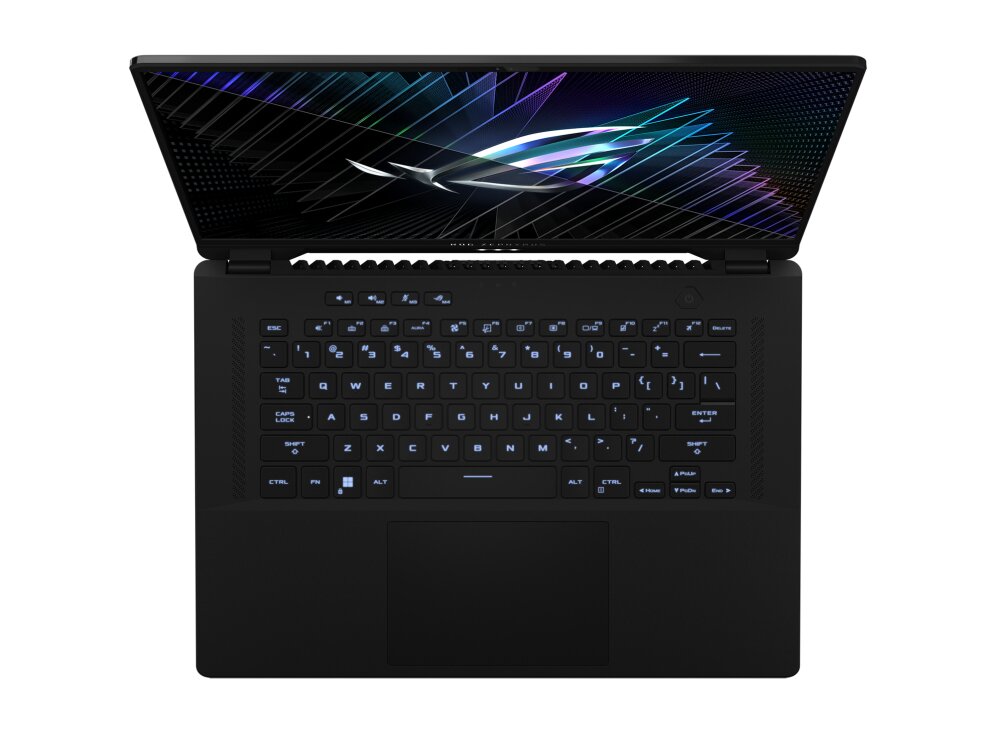

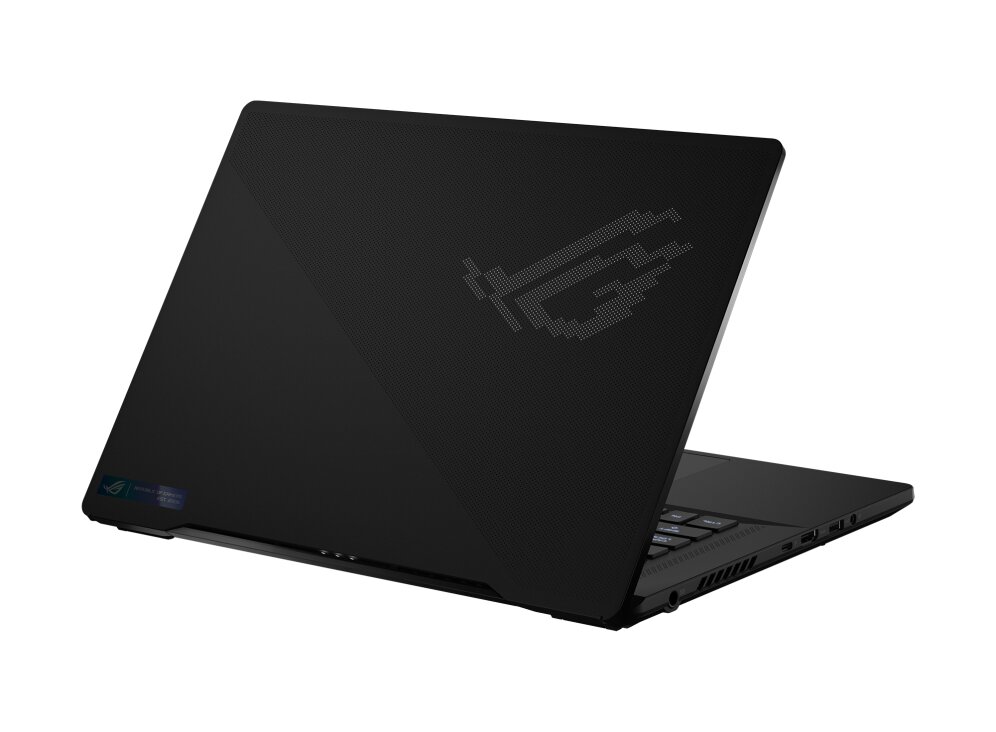
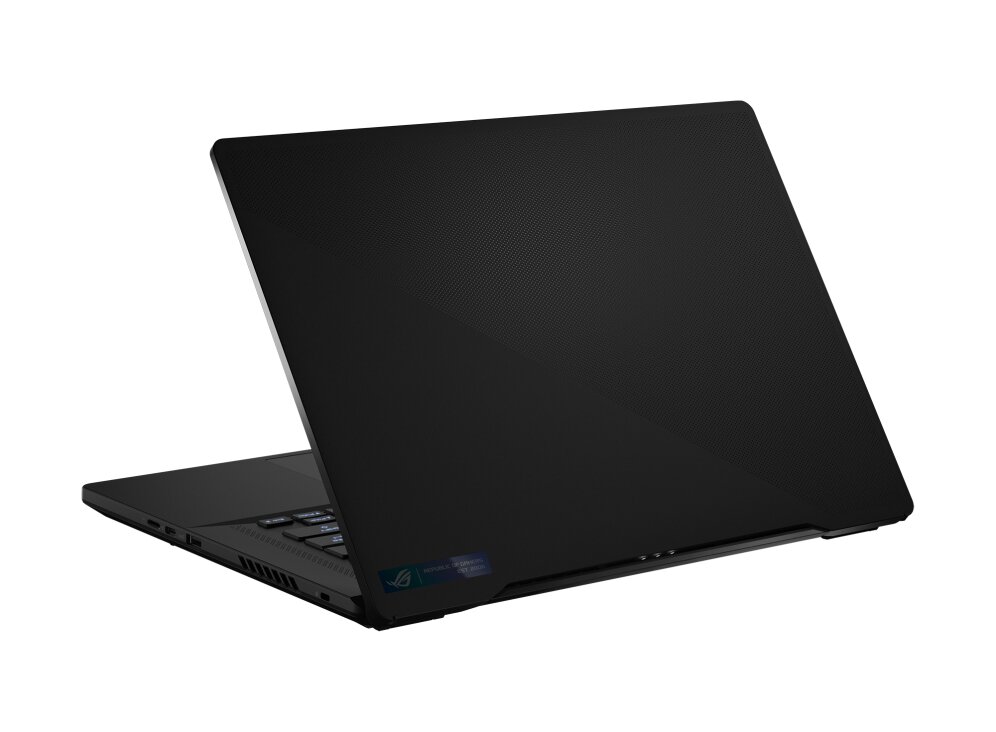
The ASUS ROG Zephyrus M16 GU604VY-NM001W laptop features two SO-DIMM memory slots supporting DDR5-SDRAM upgrade specifications. Maximum RAM capacity reaches 64 GB total, with compatible modules operating at 4800 MHz frequency. The upgrade slots accept standard SO-DIMM form factor memory modules, enabling users to enhance system performance through RAM expansion. Current specifications allow for flexible memory configurations up to the maximum supported capacity of 64 GB.
Memory Upgrade Specifications
| Specification | Value |
|---|---|
| Memory slots | 2x SO-DIMM |
| Form factor | SO-DIMM |
| Memory type | DDR5-SDRAM |
| Frequency | 4800 MHz |
| Maximum RAM | 64 GB |
| Voltage | 1.1V |
| Number of pins | 262-pin |
| Interface | PC5 |
| PC Speed Rating | PC5-4800 (PC5-38400) |
| Bandwidth | 38.4 GB/s |
| Laptop Release date | 09 February 2023 |
Additional Notes
- DDR5-4800 operates at 1.1V, reducing heat output compared to DDR4 modules while delivering 38.4 GB/s theoretical bandwidth per channel in dual-channel configuration.
- The 64 GB ceiling requires two 32 GB modules, which limits density scaling for users currently running 2x16 GB configurations seeking incremental upgrades.
- SO-DIMM slots in this ASUS ROG GU604VY-NM001W chassis typically require bottom panel removal, with RAM access potentially blocked by thermal shielding or vapor chamber assemblies depending on internal layout.
- JEDEC-standard DDR5-4800 modules ensure plug-and-play compatibility, though higher-frequency SO-DIMMs rated at 5200 MHz or 5600 MHz will downclock to the 4800 MHz ceiling enforced by memory controller specifications.
- Mixing modules with different CAS latencies can force the system to adopt the slower timing profile across both channels, creating performance inconsistencies in memory-intensive workloads.
- The dual-channel architecture doubles effective bandwidth to 76.8 GB/s when both SO-DIMM slots are populated with matched modules, versus 38.4 GB/s in single-channel mode with one slot filled.
- Non-ECC unbuffered modules represent the only compatible topology for consumer SO-DIMM slots, as server-grade Registered or Load-Reduced DIMMs physically differ in pinout and voltage requirements.
- Warranty preservation depends on avoiding physical damage during installation, as RAM upgrades typically fall under user-serviceable components not requiring authorized technician intervention.
- Thermal headroom becomes critical above 32 GB total capacity, as higher-density modules generate additional heat that may compete with GPU and CPU thermal budgets in compact gaming chassis designs.
- XMP/EXPO overclocking profiles embedded in aftermarket modules will remain dormant unless BIOS firmware explicitly supports SPD profile switching beyond the base 4800 MHz specification.