ASUS ROG GU604VY-NM001XK RAM upgrade specifications
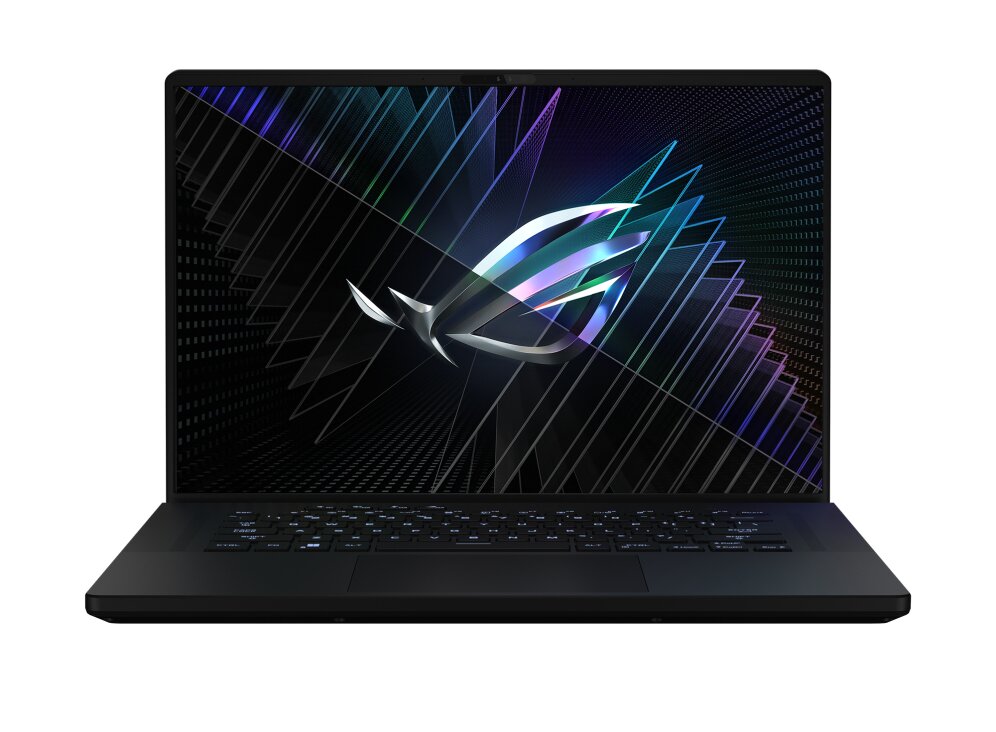
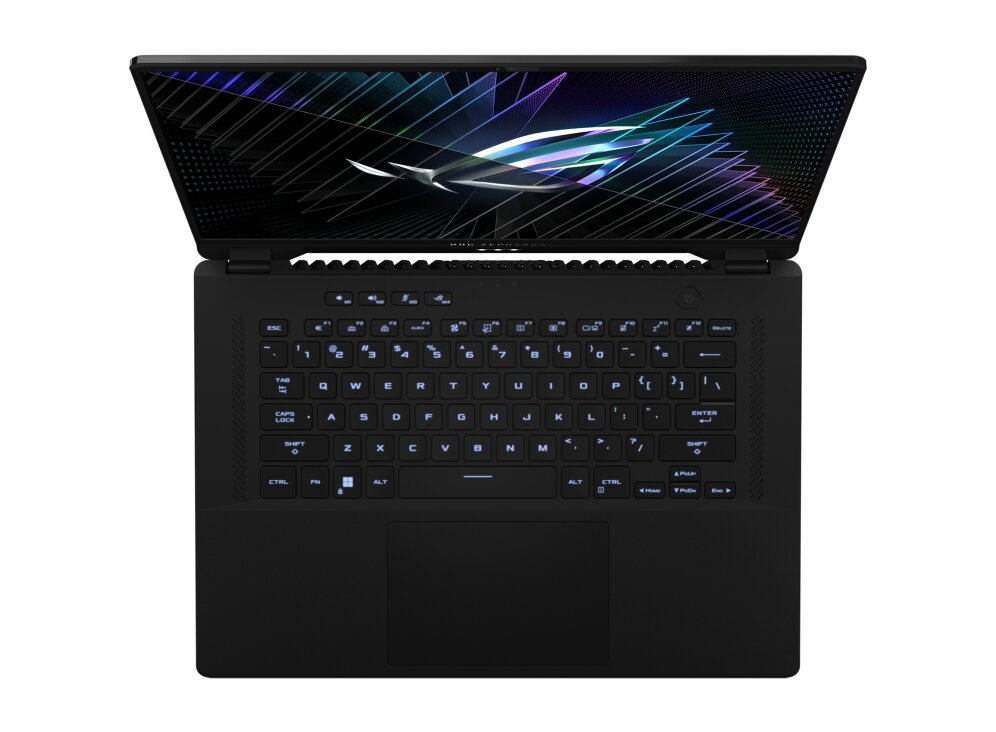
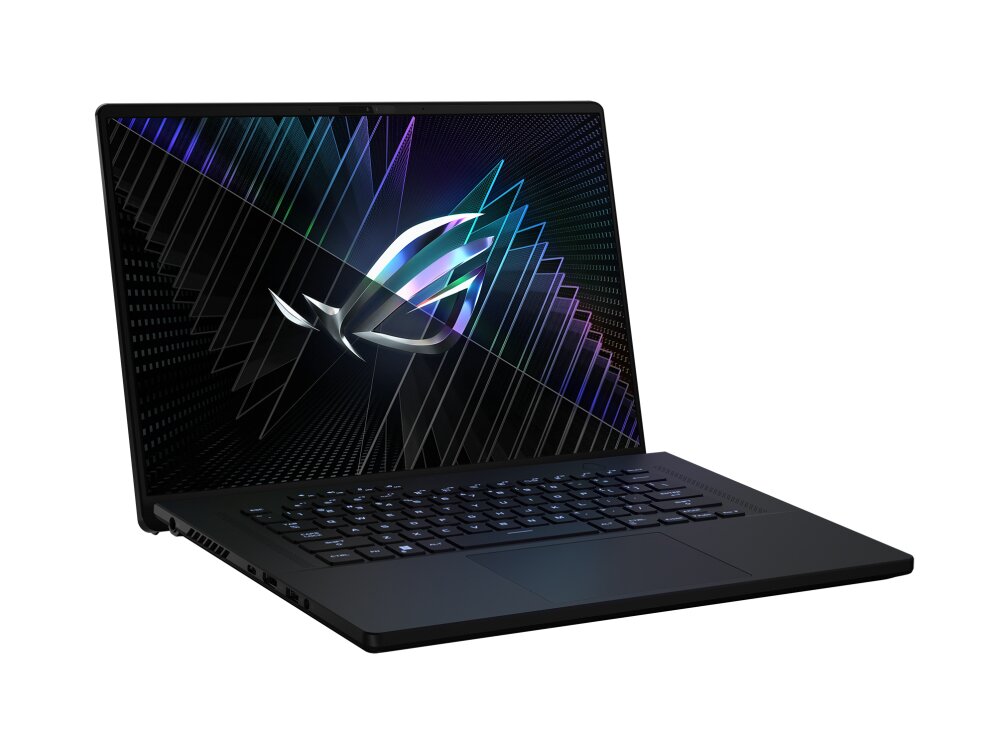
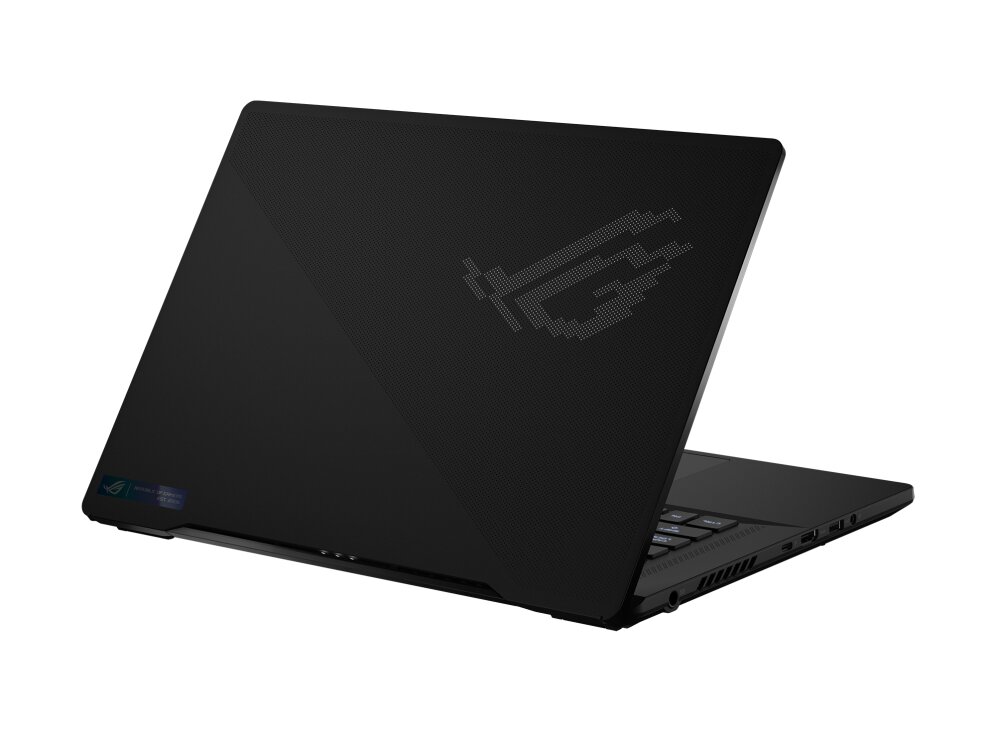
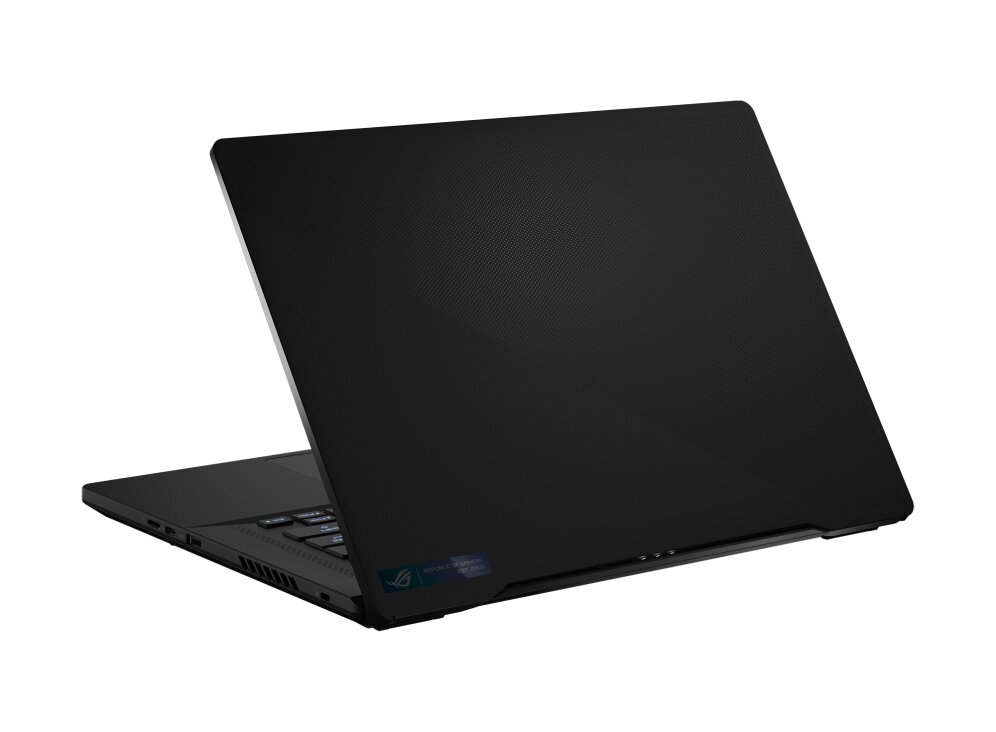
The ASUS ROG Zephyrus M16 GU604VY-NM001XK features DDR5-SDRAM memory specifications with two SO-DIMM slots supporting maximum capacity of 64 GB. Memory upgrade specifications indicate compatible DDR5 modules operating at 4800 MHz frequency. The laptop accommodates SO-DIMM form factor memory modules, enabling RAM expansion through both available slots. Maximum memory capacity reaches 64 GB when both upgrade slots are populated with compatible DDR5-SDRAM modules.
Memory Upgrade Specifications
| Specification | Value |
|---|---|
| Memory slots | 2x SO-DIMM |
| Form factor | SO-DIMM |
| Memory type | DDR5-SDRAM |
| Frequency | 4800 MHz |
| Maximum RAM | 64 GB |
| Voltage | 1.1V |
| Number of pins | 262-pin |
| Interface | PC5 |
| PC Speed Rating | PC5-4800 (PC5-38400) |
| Bandwidth | 38.4 GB/s |
| Laptop Release date | 23 June 2023 |
Additional Notes
- Dual channel memory architecture requires installing matching pairs of modules to maximize bandwidth for the high performance components in this ASUS ROG GU604VY-NM001XK.
- The presence of 2 physical SO-DIMM slots confirms that no memory is soldered to the motherboard, allowing for the full replacement of existing modules during a capacity increase.
- Upgrading to modules with speeds higher than 4800 MHz will result in downclocking to the system limit set by the processor and chipset constraints.
- Reaching the 64 GB maximum threshold necessitates the removal of all factory installed memory since all available slots must be occupied by 32 GB modules.
- The use of DDR5 technology implies a lower operating voltage compared to previous generations, which reduces thermal output within the chassis during heavy computational loads.
- Physical access to the RAM slots typically requires the removal of the bottom base cover, which may involve navigating internal ribbon cables or thermal pads depending on the internal layout.
- Latency performance is tied to the JEDEC profiles stored on the replacement modules, as mobile BIOS environments often lack extensive manual timing adjustments.