ASUS ROG GU604VZ-NM044X RAM upgrade specifications

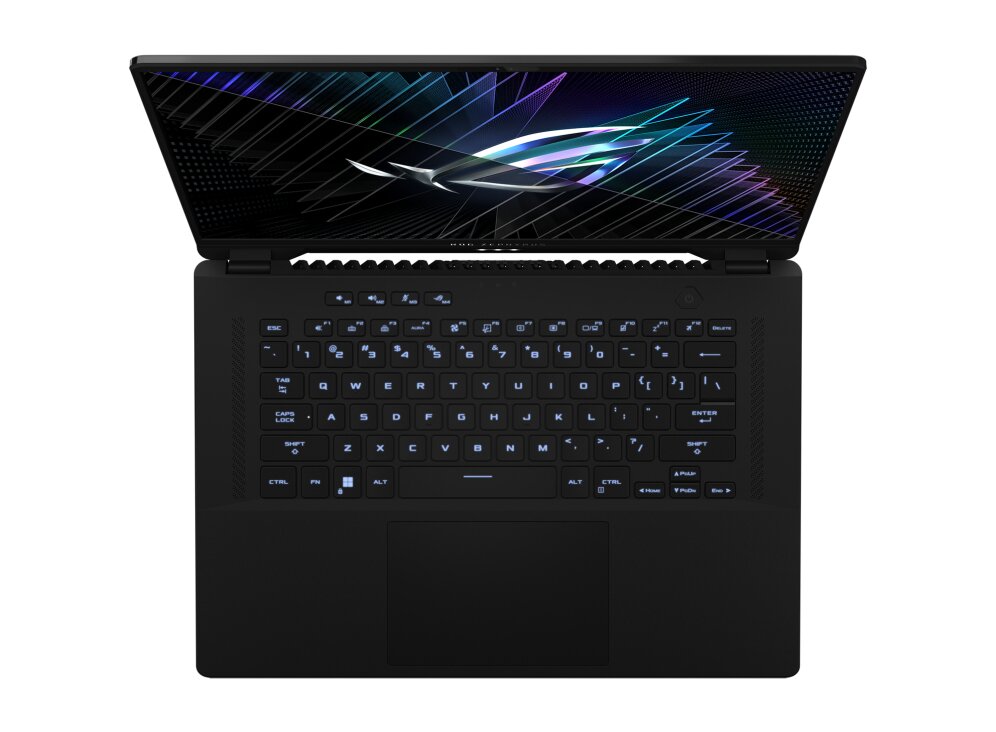
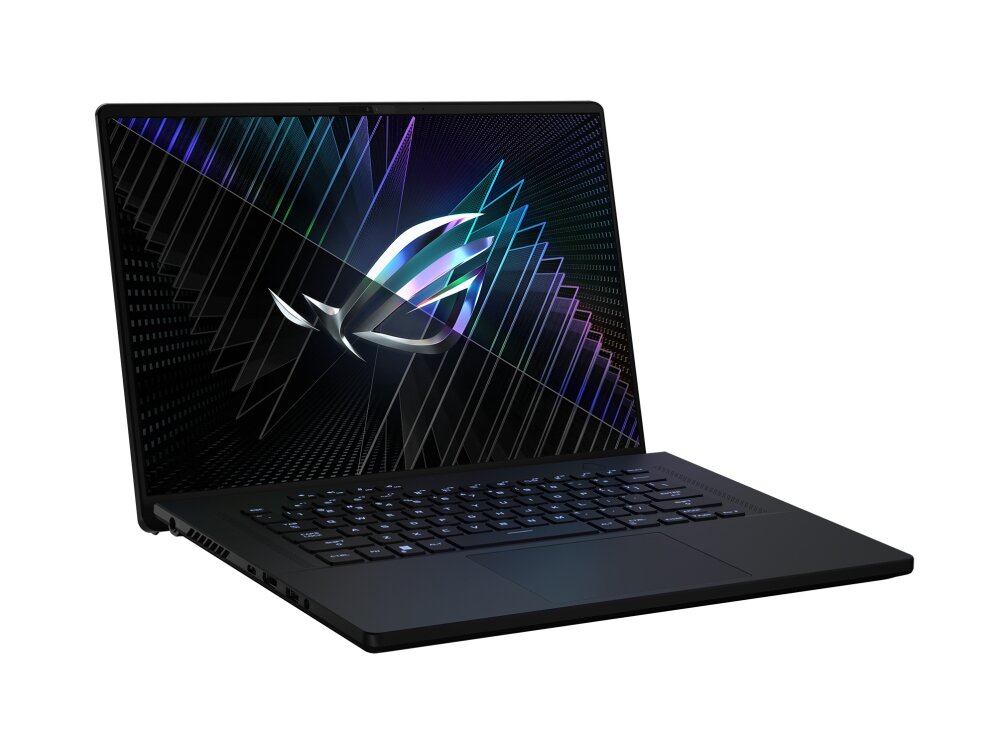
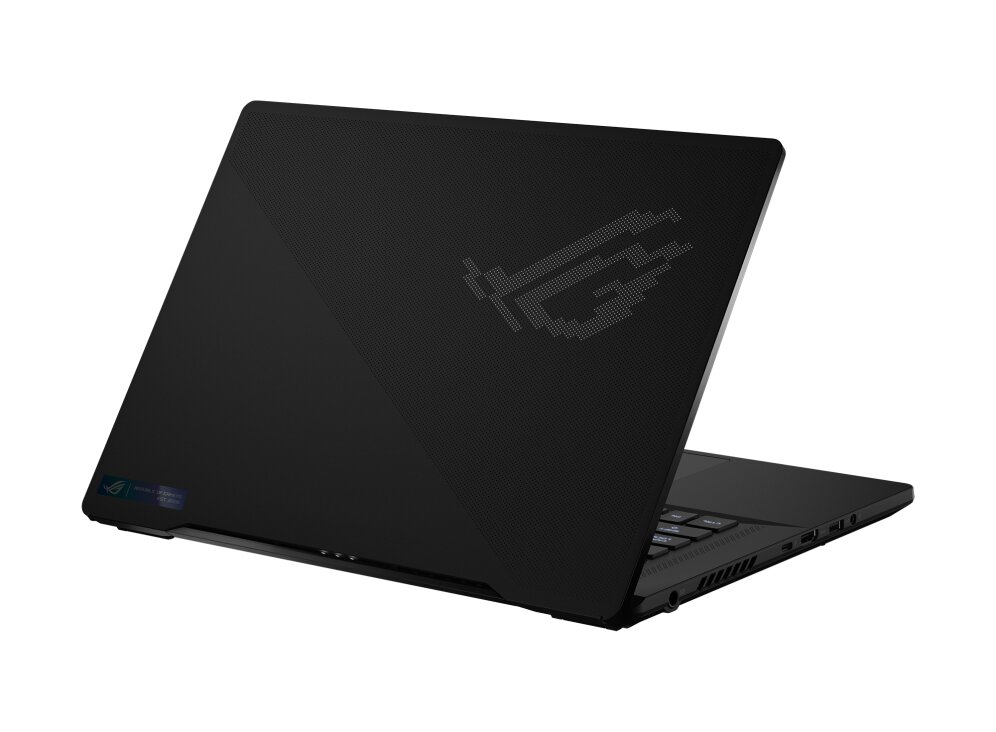
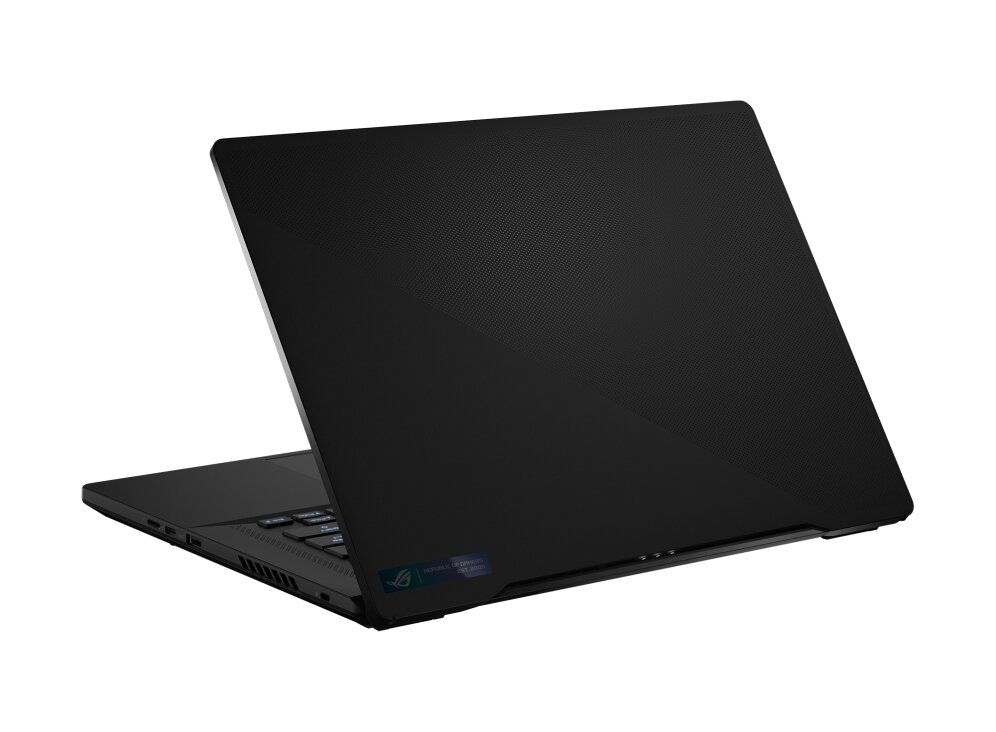
ASUS ROG Zephyrus M16 model GU604VZ-NM044X supports DDR5-SDRAM memory upgrades through two SO-DIMM slots. Maximum RAM capacity reaches 64 GB total. Compatible memory modules operate at 4800 MHz frequency. Existing memory configuration can be expanded by replacing or supplementing current SO-DIMM modules. Specifications indicate DDR5 standard compatibility for upgrade components. The laptop memory upgrade accommodates high-capacity modules within SO-DIMM form factor constraints.
Memory Upgrade Specifications
| Specification | Value |
|---|---|
| Memory slots | 2x SO-DIMM |
| Form factor | SO-DIMM |
| Memory type | DDR5-SDRAM |
| Frequency | 4800 MHz |
| Maximum RAM | 64 GB |
| Voltage | 1.1V |
| Number of pins | 262-pin |
| Interface | PC5 |
| PC Speed Rating | PC5-4800 (PC5-38400) |
| Bandwidth | 38.4 GB/s |
Additional Notes
- The ASUS ROG GU604VZ-NM044X accommodates DDR5 SO-DIMM modules exclusively, eliminating backward compatibility with DDR4 memory regardless of form factor. Substitution requires matched pairs for dual-channel operation.
- 64 GB total capacity requires 2x32 GB SO-DIMM configuration. Single 32 GB modules exist but function at reduced efficiency without a second matching stick. Populating only one slot creates a performance deficit through asymmetric memory architecture.
- 4800 MHz specification represents the tested frequency ceiling. JEDEC standard compliance guarantees operation at 4800 MHz, but overclocked profiles exceeding this threshold void thermal and stability warranties unless covered by explicit OEM documentation.
- SO-DIMM physical constraints limit component clearance in laptop chassis. Tall heat spreaders and active cooling modules may contact the palmrest assembly or keyboard mechanism, requiring verification of module height specifications prior to installation.
- Memory bandwidth saturation occurs when paired DDR5 SO-DIMMs operate at lower frequencies than the 4800 MHz specification. Legacy or budget DDR5 modules rated at 4400 MHz or below may reduce effective throughput by 8 to 16 percent depending on workload.
- Warranty implications require installation by authorized technicians for coverage retention. Self-installation may trigger clauses voiding memory-related damage claims, though DDR5 SO-DIMM insertion involves minimal risk due to keyed connector design.