ASUS ROG 90NR252-M00270 RAM upgrade specifications




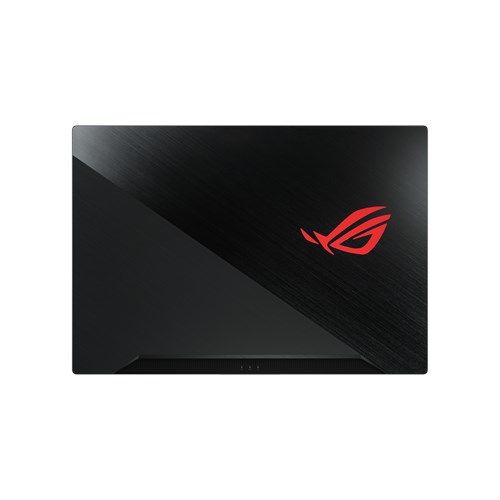
ASUS ROG Zephyrus S model 90NR252-M00270 supports DDR4-SDRAM memory upgrades with maximum capacity of 32 GB across 2x SO-DIMM slots. Compatible memory specifications include DDR4 operating at 2666 MHz frequency. Laptop upgrade configurations accommodate SO-DIMM form factor modules. RAM expansion enables increased multitasking performance and system responsiveness for gaming and professional applications.
Memory Upgrade Specifications
| Specification | Value |
|---|---|
| Memory slots | 2x SO-DIMM |
| Form factor | SO-DIMM |
| Memory type | DDR4-SDRAM |
| Frequency | 2666 MHz |
| Maximum RAM | 32 GB |
| Voltage | 1.2V |
| Number of pins | 260-pin |
| Interface | PC4 |
| PC Speed Rating | PC4-2666 (PC4-21328) |
| Bandwidth | 21.3 GB/s |
| Laptop Release date | 31 October 2019 |
Additional Notes
- The ASUS ROG 90NR252-M00270 accepts standard laptop-size SO-DIMM modules, which measure 67.6 mm in length compared to 133.35 mm desktop DIMMs, making desktop memory physically incompatible with this system.
- DDR4-SDRAM operates at 1.2V, preventing the use of older DDR3 or DDR3L modules that require different voltages and feature incompatible pin configurations with 260 pins versus DDR4's 288-pin desktop layout or 204-pin SO-DIMM DDR3 design.
- The 2666 MHz specification represents a PC4-21300 transfer rate of 21.3 GB/s per module, establishing the baseline speed for compatible upgrades while higher frequency modules will downclock to match this limitation.
- Dual-channel architecture through 2 SO-DIMM slots enables symmetric population with matched capacity modules to achieve maximum theoretical bandwidth of 42.6 GB/s when both channels operate simultaneously.
- A 32 GB ceiling divided across 2 slots permits either 2x16 GB configuration as the only path to maximum capacity or unbalanced arrangements like 16 GB plus 8 GB that maintain dual-channel operation but sacrifice memory interleaving efficiency.
- Mixing modules with different speeds forces all installed memory to operate at the lowest common frequency, potentially reducing a 3200 MHz module to 2666 MHz when paired with slower memory.
- Non-ECC unbuffered SO-DIMMs represent the required specification, as gaming-oriented ROG systems lack error-correction support and registered modules designed for server workloads will not initialize in consumer chipsets.
- Installation requires accessing the bottom panel service door or complete disassembly depending on slot positioning, with some manufacturers placing one slot under the keyboard assembly which may void warranty seals if accessed.
- Single-rank versus dual-rank module architecture affects performance subtly, where dual-rank DIMMs can improve memory bandwidth by up to 5-10% in certain workloads despite identical capacity and frequency ratings.
- Thermal considerations become relevant when populating both slots with high-density modules, as SO-DIMM memory in confined laptop chassis relies on passive cooling and ambient airflow rather than dedicated heatsinks.