ASUS StudioBook W700G3P-AV037RG RAM upgrade specifications

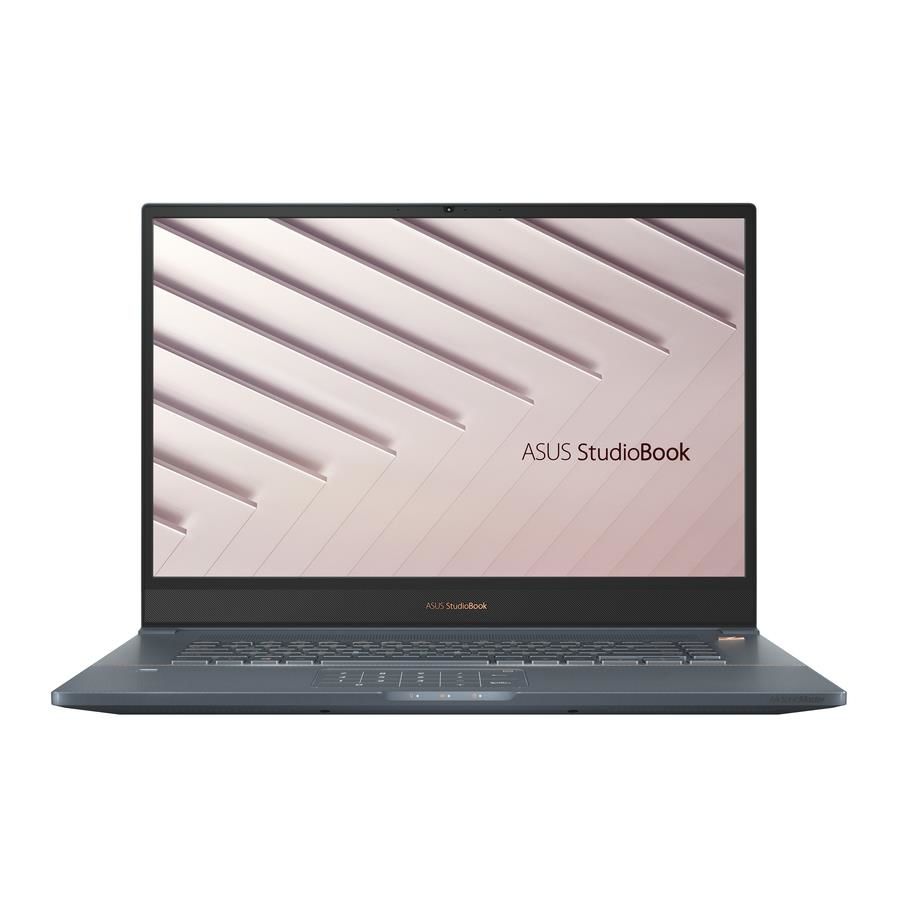
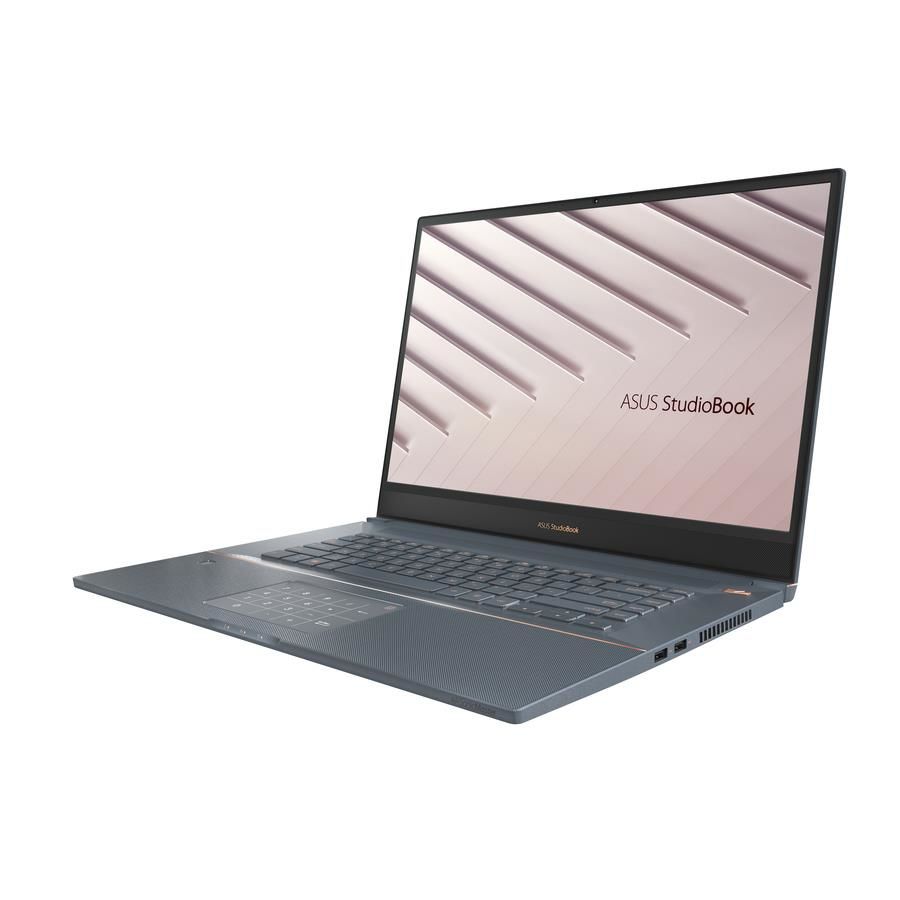

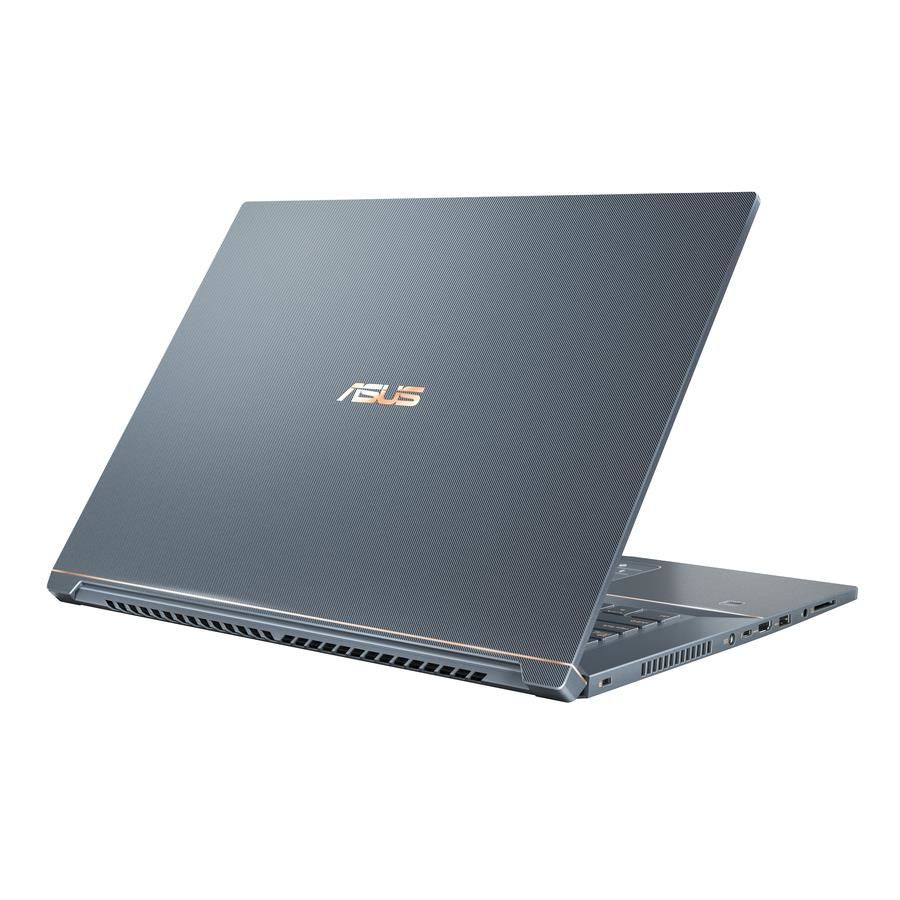
ASUS StudioBook S series model W700G3P-AV037RG features DDR4-SDRAM memory upgradeable through 2x SO-DIMM slots. The workstation supports maximum RAM capacity of 64 GB at 2666 MHz frequency. Compatible memory upgrades utilize SO-DIMM form factor specifications for enhanced multitasking performance in professional applications. Existing memory modules can be replaced or supplemented to reach the maximum supported capacity, ensuring optimal system specifications for graphics-intensive workflows.
Memory Upgrade Specifications
| Specification | Value |
|---|---|
| Memory slots | 2x SO-DIMM |
| Form factor | SO-DIMM |
| Memory type | DDR4-SDRAM |
| Frequency | 2666 MHz |
| Maximum RAM | 64 GB |
| Voltage | 1.2V |
| Number of pins | 260-pin |
| Interface | PC4 |
| PC Speed Rating | PC4-2666 (PC4-21328) |
| Bandwidth | 21.3 GB/s |
| Laptop Release date | 31 March 2019 |
Additional Notes
- The ASUS StudioBook W700G3P-AV037RG uses SO-DIMM modules instead of standard DIMM, requiring physically smaller memory modules that are typically 67.6 millimeters in length compared to 133.35 millimeters for desktop RAM.
- DDR4-2666 operates at PC4-21300 bandwidth specification, delivering 21.3 gigabytes per second theoretical maximum throughput per channel in dual-channel configuration.
- Installing non-matching module capacities will force the system into asymmetric dual-channel mode, where only the matched portions of memory run in dual-channel while excess capacity operates in slower single-channel mode.
- The 64 gigabyte maximum capacity requires 2 modules of 32 gigabytes each, as exceeding this limit may prevent POST completion or cause system instability even if physically compatible modules are installed.
- DDR4-2666 modules are backward compatible with DDR4-2400 slots but forward compatibility does not exist, meaning DDR4-3200 modules will downclock to 2666 megahertz and potentially cause timing mismatches.
- SO-DIMM slots typically require accessing the bottom panel of mobile workstations, which may involve removing multiple screws and potentially breaking warranty seals depending on regional warranty terms.
- Mixing different memory ranks (single-rank versus dual-rank) across the 2 slots can introduce latency penalties and may prevent the system from achieving rated speeds even when frequency specifications match.
- Non-ECC unbuffered modules are required, as registered or ECC SO-DIMMs designed for server applications will be incompatible with the chipset's memory controller architecture.
- Operating voltage must be 1.2 volts standard for DDR4, as low-voltage variants or modules requiring XMP profiles may not initialize correctly without BIOS support for SPD timing adjustments.
- Heat dissipation in mobile workstations relies on chassis contact rather than module heatspreaders, meaning aftermarket modules with tall heat spreaders may create clearance issues with the keyboard assembly or cooling system.