ASUS StudioBook W700G3P-AV032T RAM upgrade specifications
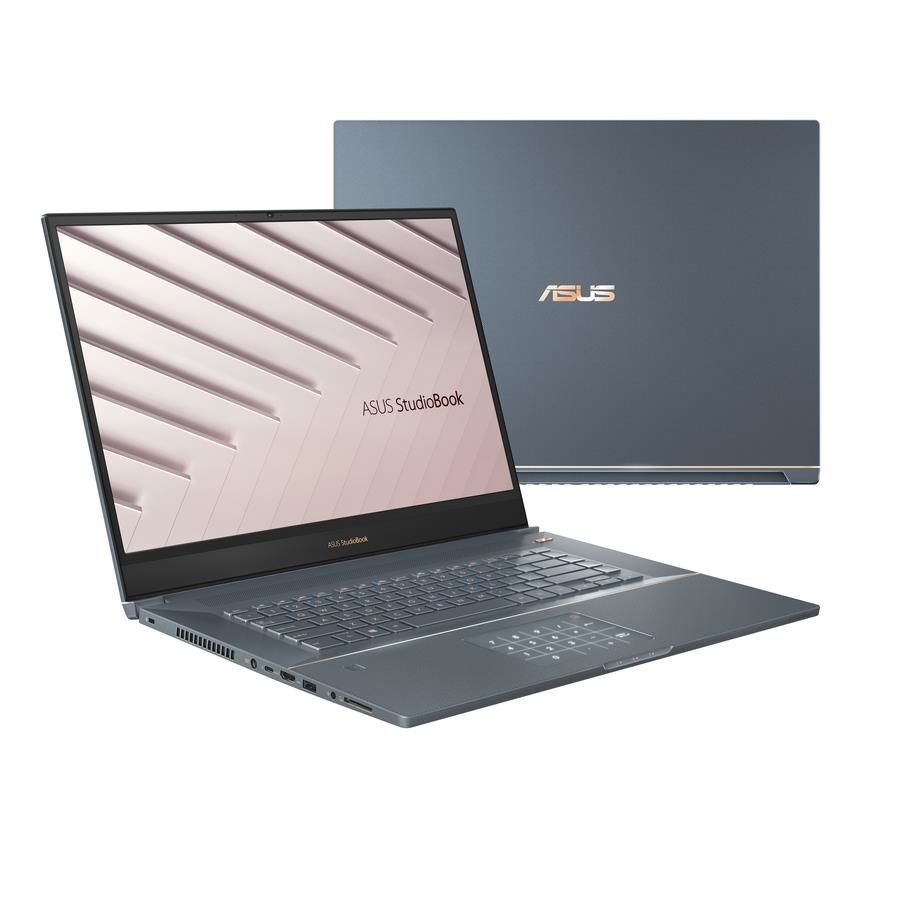
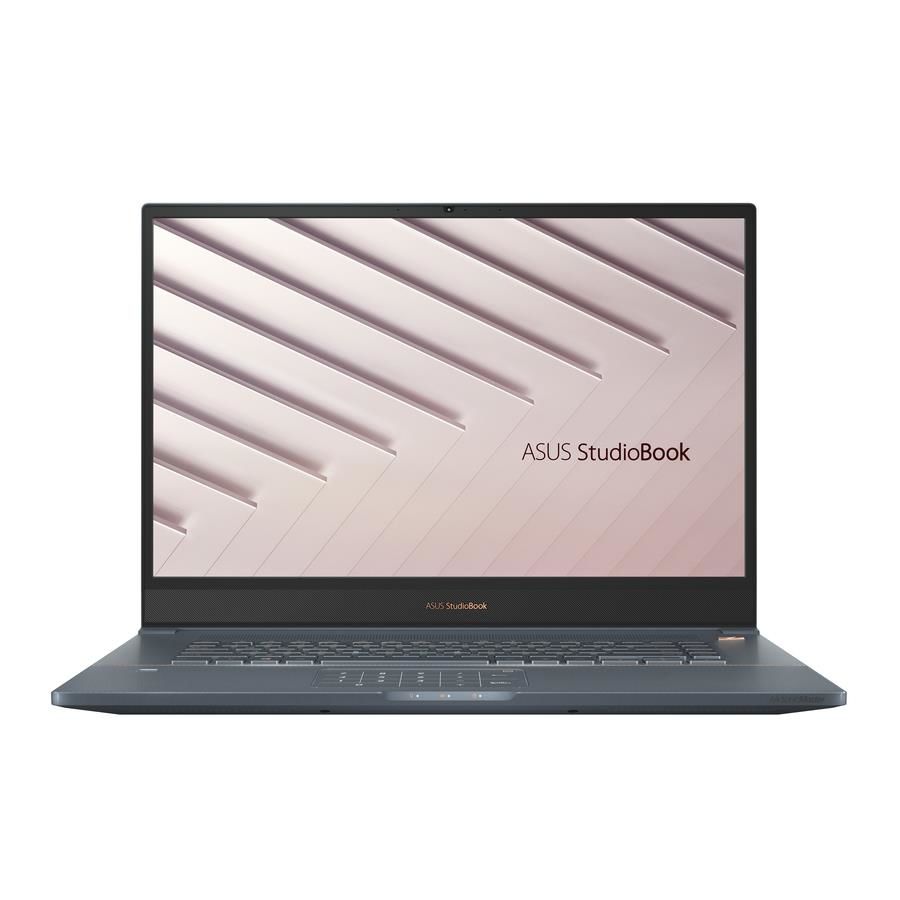
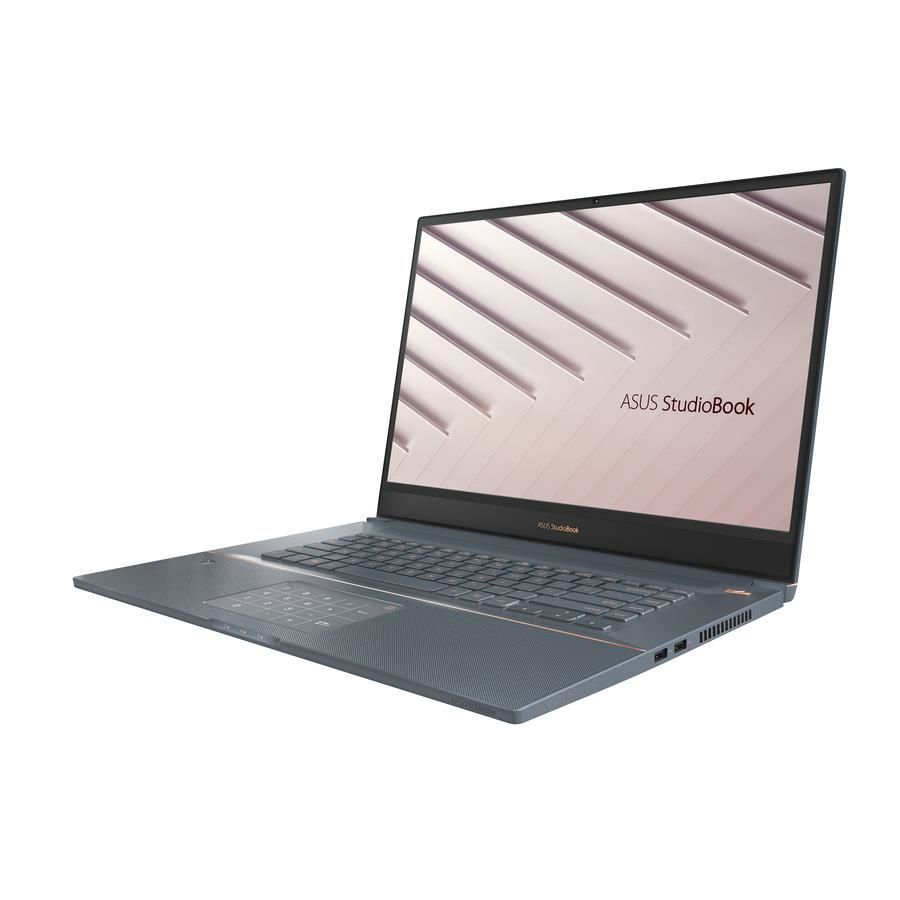
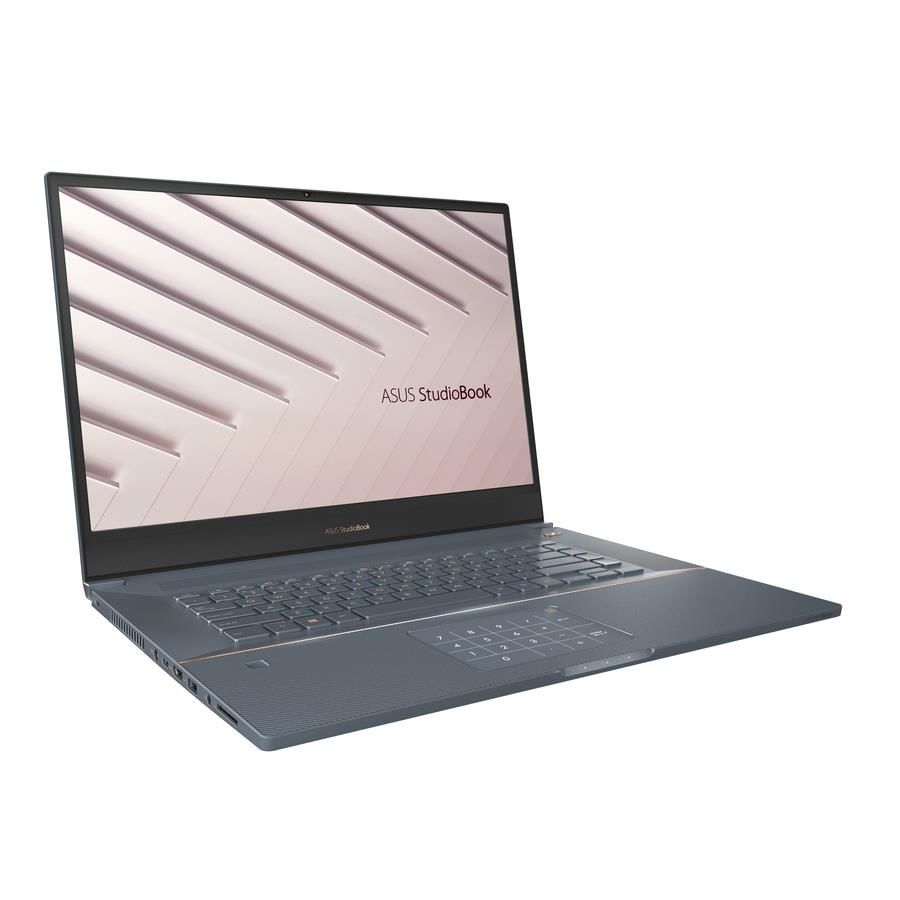
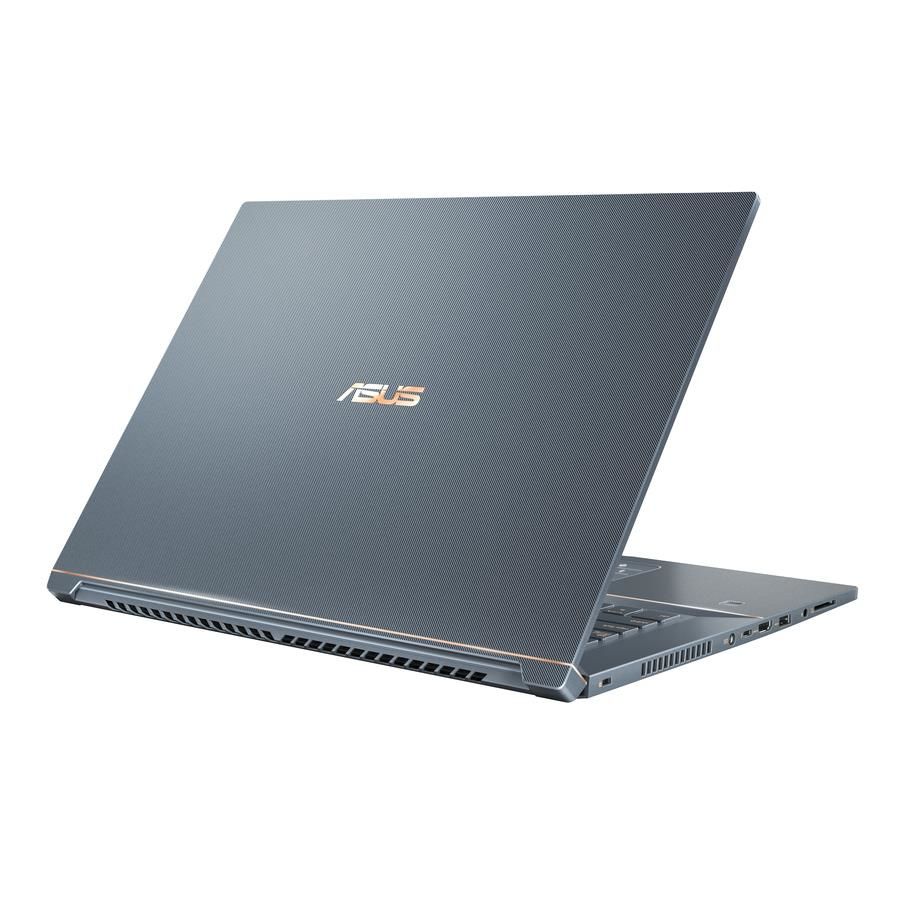
The ASUS StudioBook S series W700G3P-AV032T workstation features DDR4-SDRAM memory upgrade specifications with two SO-DIMM slots supporting maximum RAM capacity of 64 GB. Compatible memory modules operate at 2666 MHz frequency. The laptop's upgrade specifications enable installation of standard SO-DIMM DDR4 memory modules across both available slots to achieve maximum supported RAM capacity for enhanced performance.
Memory Upgrade Specifications
| Specification | Value |
|---|---|
| Memory slots | 2x SO-DIMM |
| Form factor | SO-DIMM |
| Memory type | DDR4-SDRAM |
| Frequency | 2666 MHz |
| Maximum RAM | 64 GB |
| Voltage | 1.2V |
| Number of pins | 260-pin |
| Interface | PC4 |
| PC Speed Rating | PC4-2666 (PC4-21328) |
| Bandwidth | 21.3 GB/s |
| Laptop Release date | 01 March 2019 |
Additional Notes
- The dual channel architecture requires identical module pairs to achieve peak memory bandwidth and prevent system timing synchronization issues.
- Upgrading the ASUS StudioBook W700G3P-AV032T to high capacity modules necessitates a teardown of the chassis which may involve breaking factory tamper seals on internal components.
- Operating at a frequency of 2666 MHz indicates a hardware limitation where installing faster 3200 MHz modules will result in automatic downclocking to match the motherboard bus speed.
- The presence of only 2 SO-DIMM slots means increasing total capacity requires the removal and replacement of existing modules rather than simple expansion.
- Reaching the 64 GB threshold requires the use of high density 32 GB sticks which may increase heat concentration within the compact workstation enclosure during memory intensive rendering tasks.
- Compatibility is restricted to non ECC unbuffered modules because the SO-DIMM form factor and standard DDR4-SDRAM specification typically lack the additional pins required for error correction code support.
- Latency performance depends on the CAS timing of the secondary market modules since the BIOS often lacks manual XMP profile adjustments for custom memory tuning.