ASUS TUF Dash FX516PM-HN023 RAM upgrade specifications

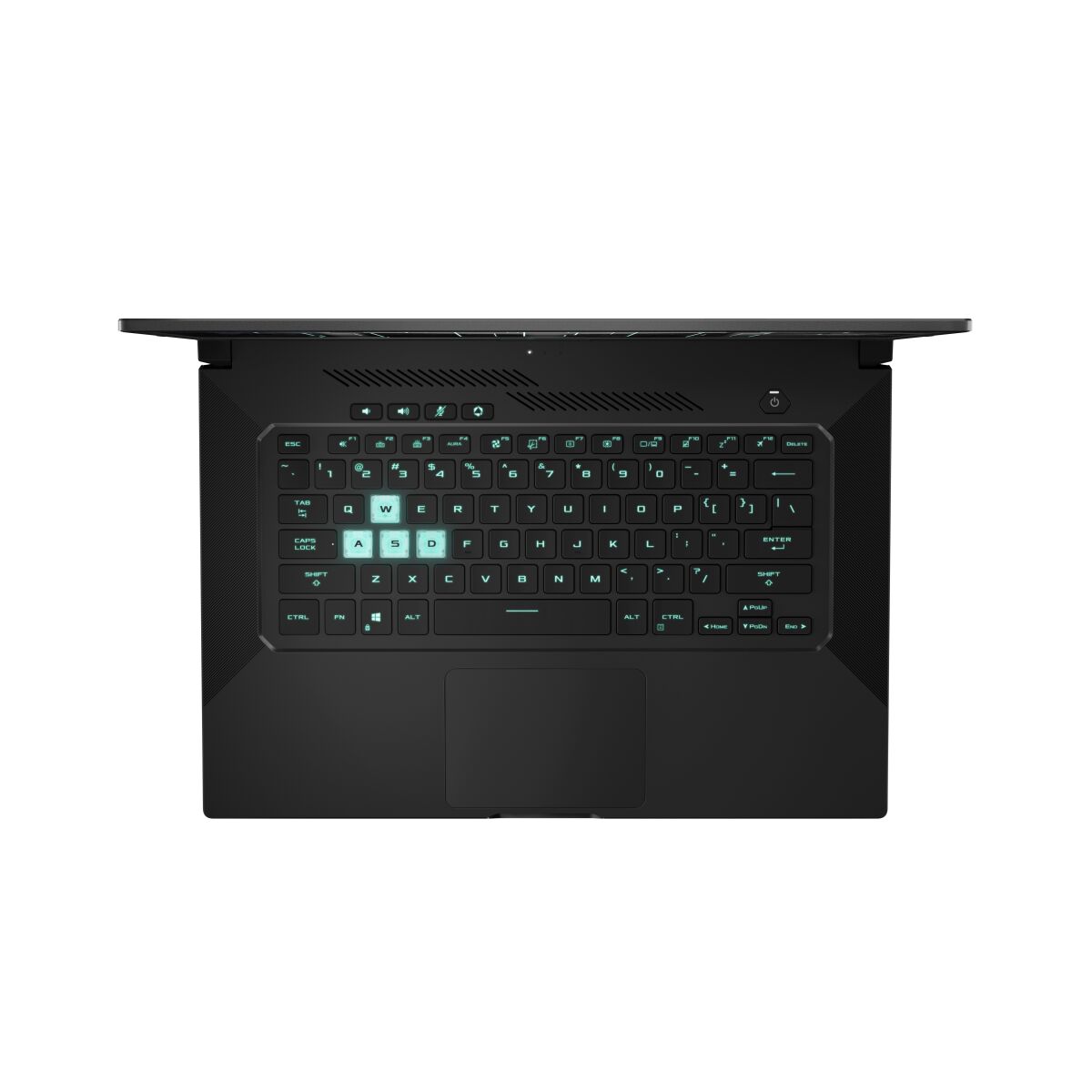
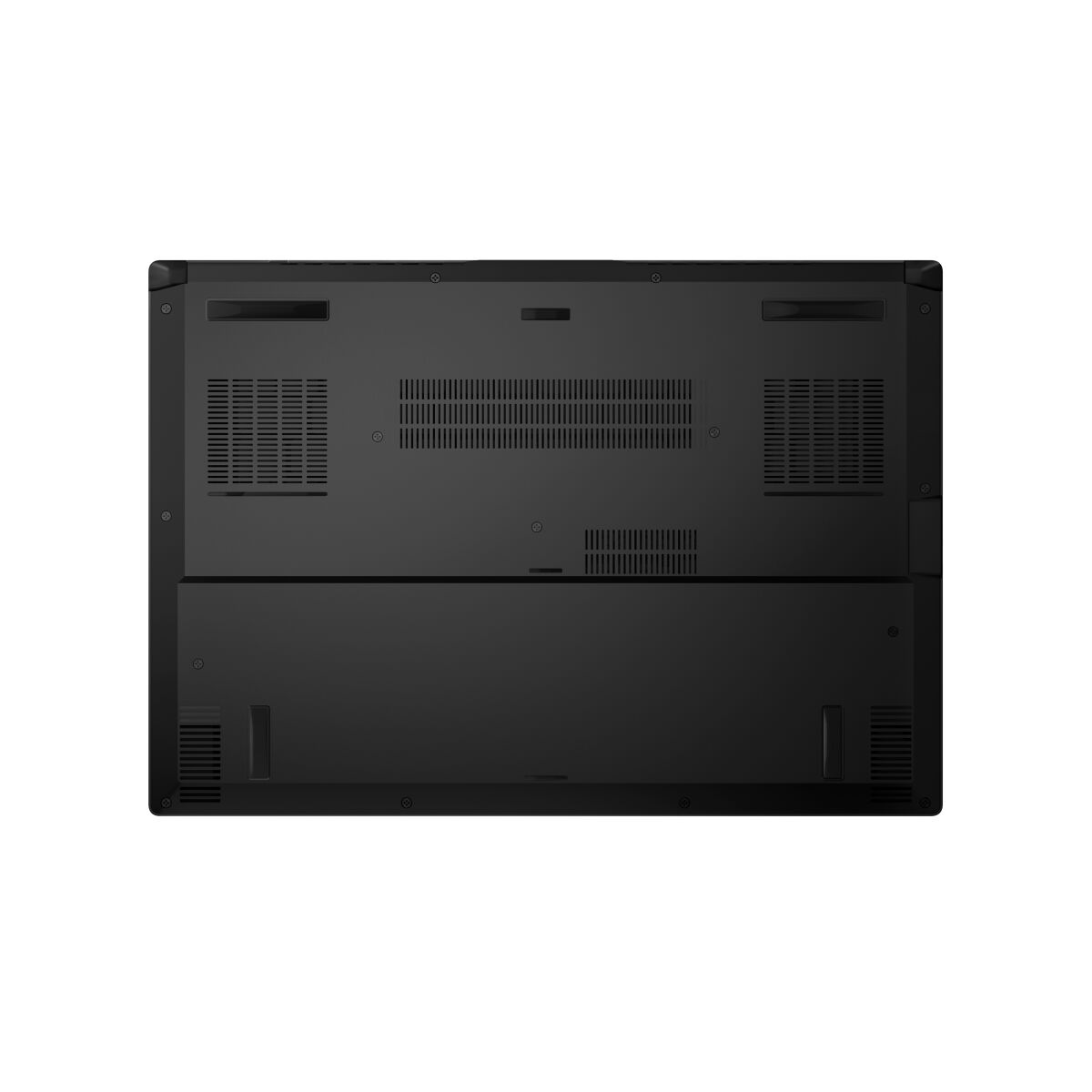
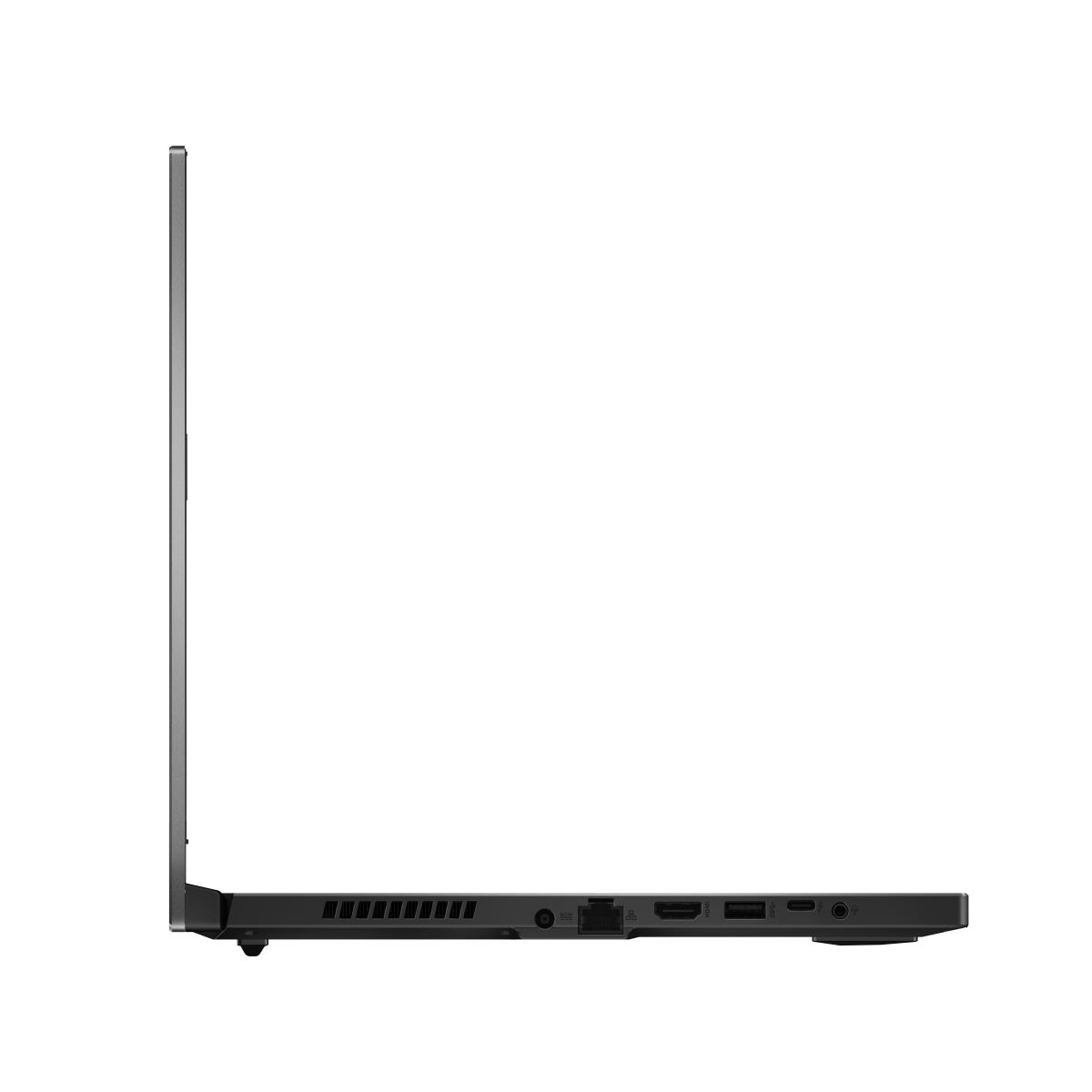
ASUS TUF Dash F15 FX516PM-HN023 RAM upgrade specifications include DDR4-SDRAM memory compatibility with maximum capacity of 32 GB. Laptop features one SO-DIMM slot for RAM upgrades, operating at 3200 MHz frequency. Memory configuration combines on-board integrated RAM with expandable SO-DIMM slot, allowing compatible DDR4 modules to enhance system performance. Specifications support standard laptop memory upgrades within the defined maximum capacity limits.
Memory Upgrade Specifications
| Specification | Value |
|---|---|
| Memory slots | 1x SO-DIMM |
| Form factor | On-board + SO-DIMM |
| Memory type | DDR4-SDRAM |
| Frequency | 3200 MHz |
| Maximum RAM | 32 GB |
| Voltage | 1.2V |
| Number of pins | 260-pin |
| Interface | PC4 |
| PC Speed Rating | PC4-3200 (PC4-25600) |
| Bandwidth | 25.6 GB/s |
| Laptop Release date | 25 January 2021 |
Additional Notes
- The ASUS TUF Dash FX516PM-HN023 implements a hybrid memory architecture where one memory channel is soldered directly to the motherboard while the second channel accepts a single SO-DIMM module, preventing dual-module configurations.
- The on-board memory component cannot be removed or replaced without board-level soldering work that voids manufacturer warranty coverage and requires specialized equipment beyond typical consumer capabilities.
- Total system memory capacity is determined by combining the factory-soldered module with the user-accessible SO-DIMM slot, where exceeding 32 GB combined capacity may result in system instability or boot failure.
- Optimal dual-channel bandwidth requires matching the installed SO-DIMM capacity to the soldered memory size, as mismatched capacities cause the system to operate in flex mode where only the matched portion runs in dual-channel while excess capacity defaults to slower single-channel operation.
- DDR4-3200 represents the JEDEC standard speed, but actual performance depends on the memory controller within the installed processor, which may support higher XMP profiles that require manual BIOS configuration to activate.
- SO-DIMM modules rated above 3200 MHz will function but automatically downclock to match the system's 3200 MHz specification unless XMP is enabled and supported by the CPU generation installed in this chassis.
- Physical clearance constraints in thin gaming laptops can restrict SO-DIMM height tolerances, where modules with oversized heat spreaders may interfere with thermal components or the bottom panel assembly.
- Voltage compatibility requires DDR4 modules operating at standard 1.2V, as higher-voltage enthusiast memory designed for desktop systems can cause thermal issues in the confined airflow environment of mobile platforms.
- Single-rank versus dual-rank SO-DIMM architecture affects memory interleaving efficiency, where dual-rank modules may provide marginal performance improvements in bandwidth-intensive applications when paired appropriately with the soldered component.
- Warranty preservation requires using the manufacturer-approved access panel for SO-DIMM installation, as removing non-designated bottom cover screws or panels may void service agreements even if no components are damaged.