ASUS TUF Dash FX517ZE-HN046W RAM upgrade specifications
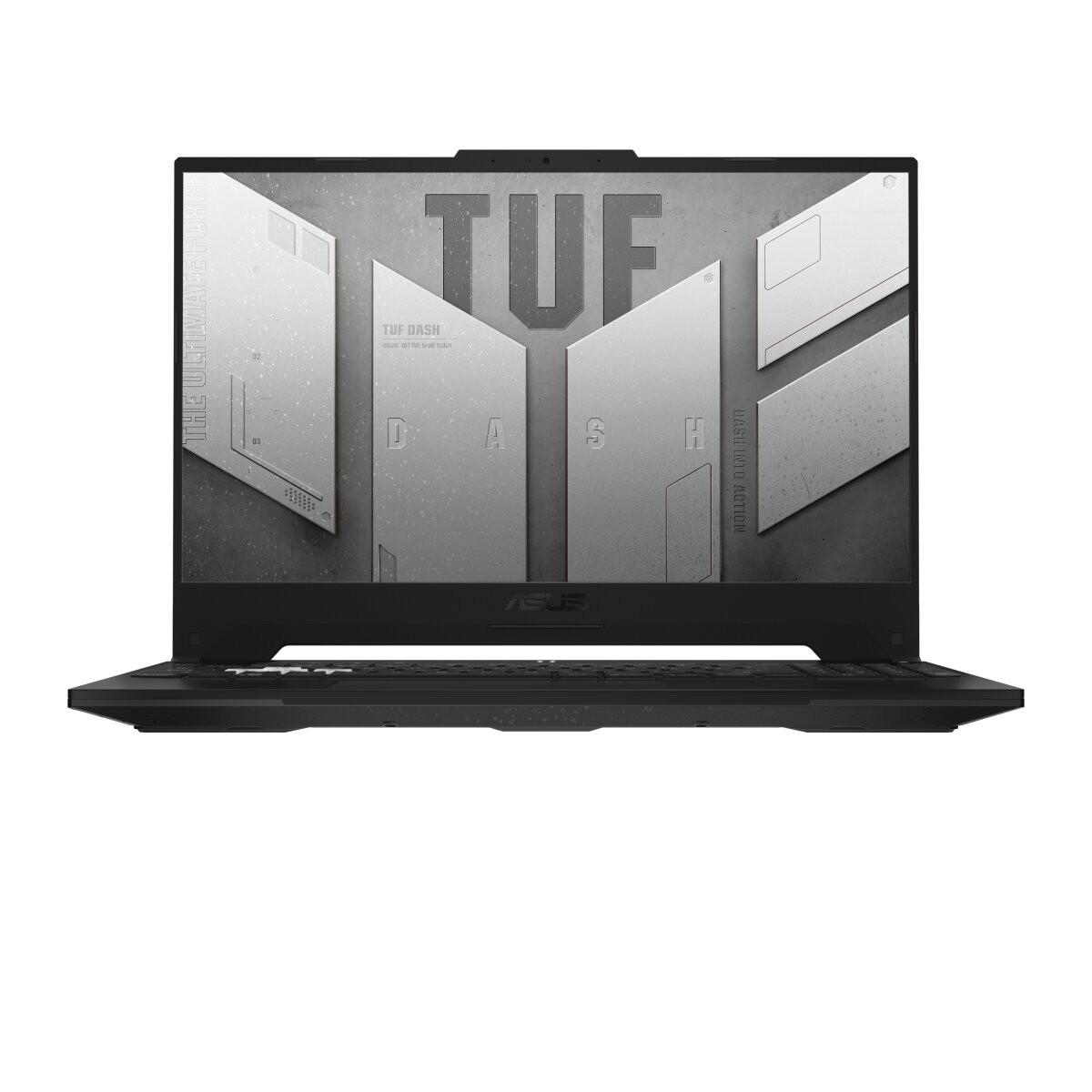

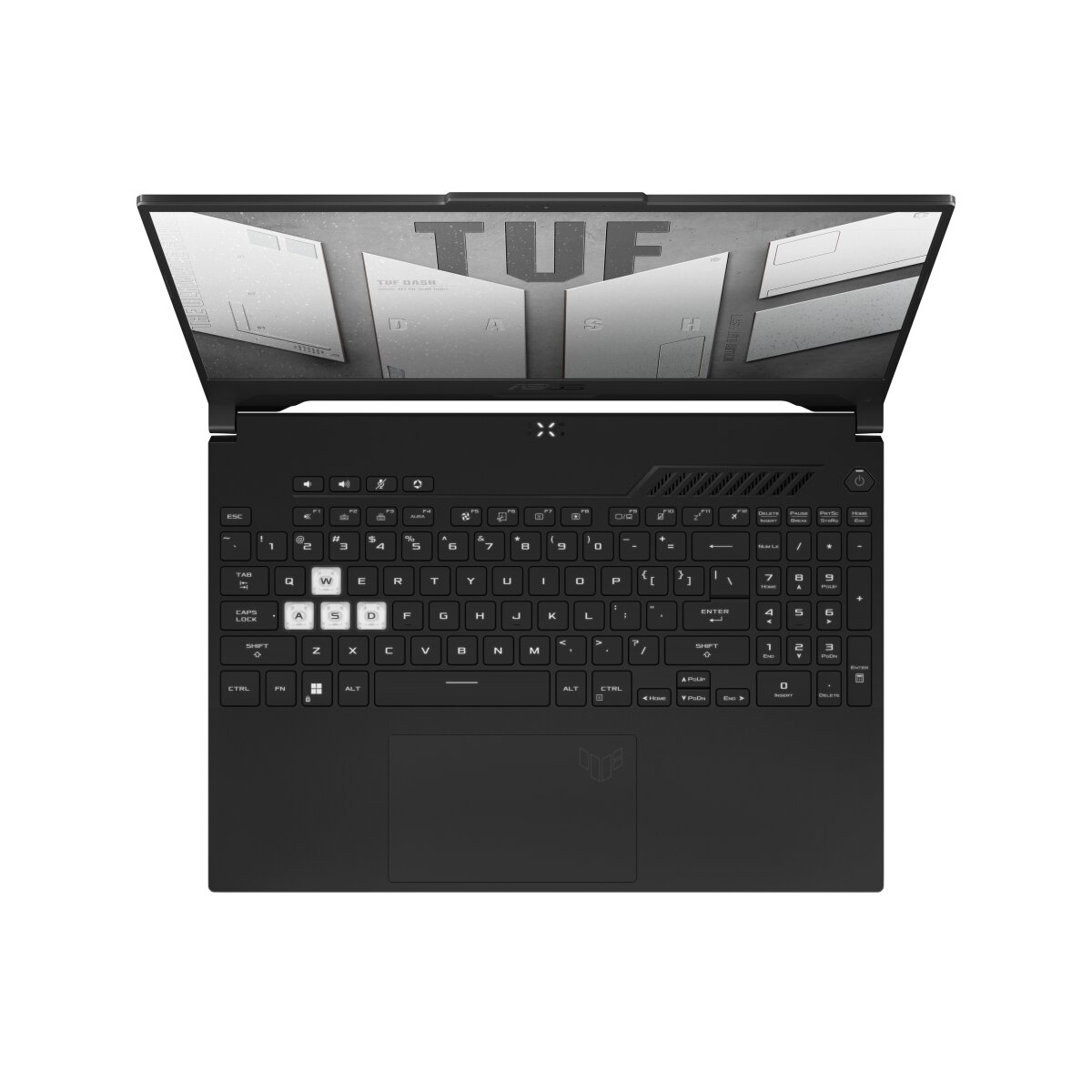
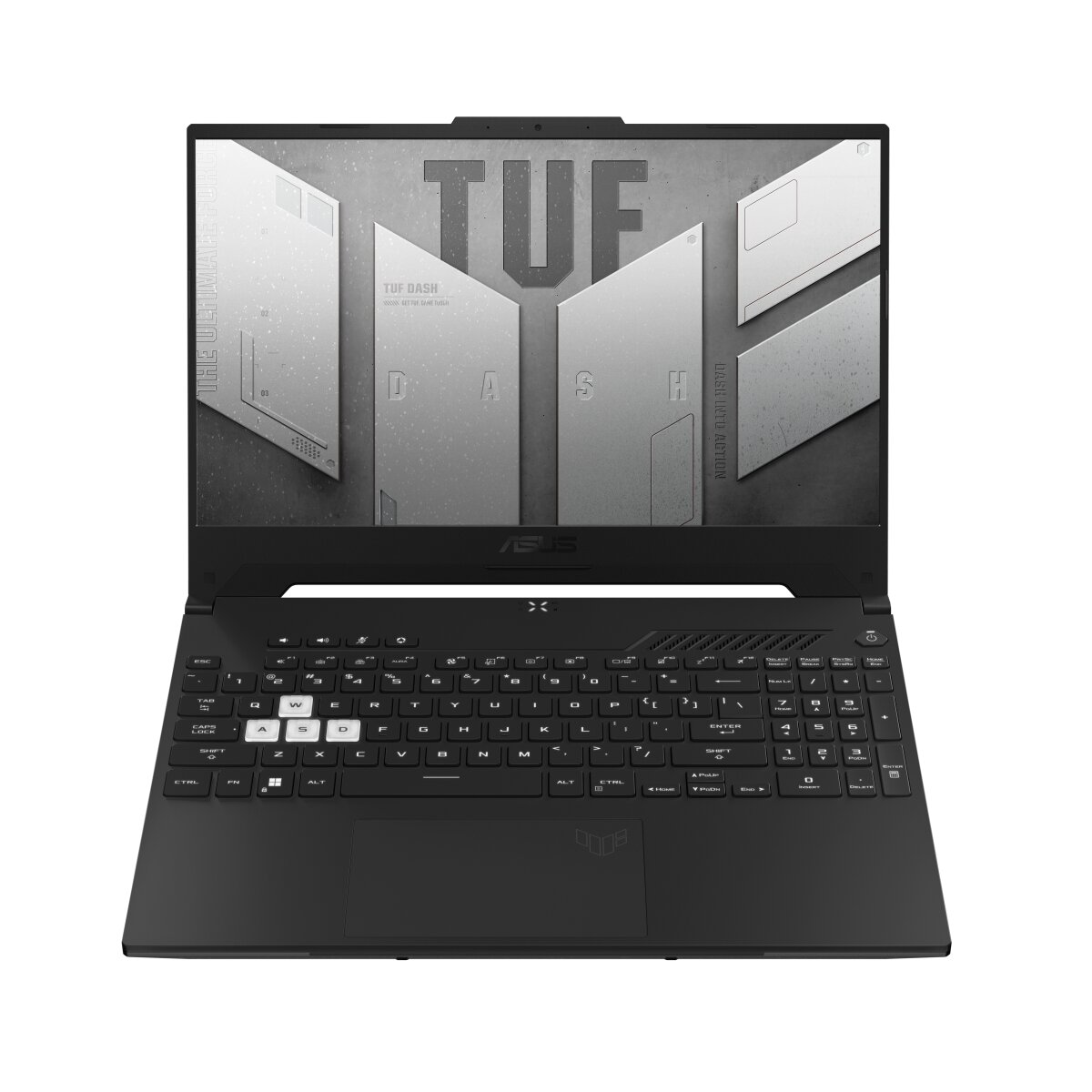
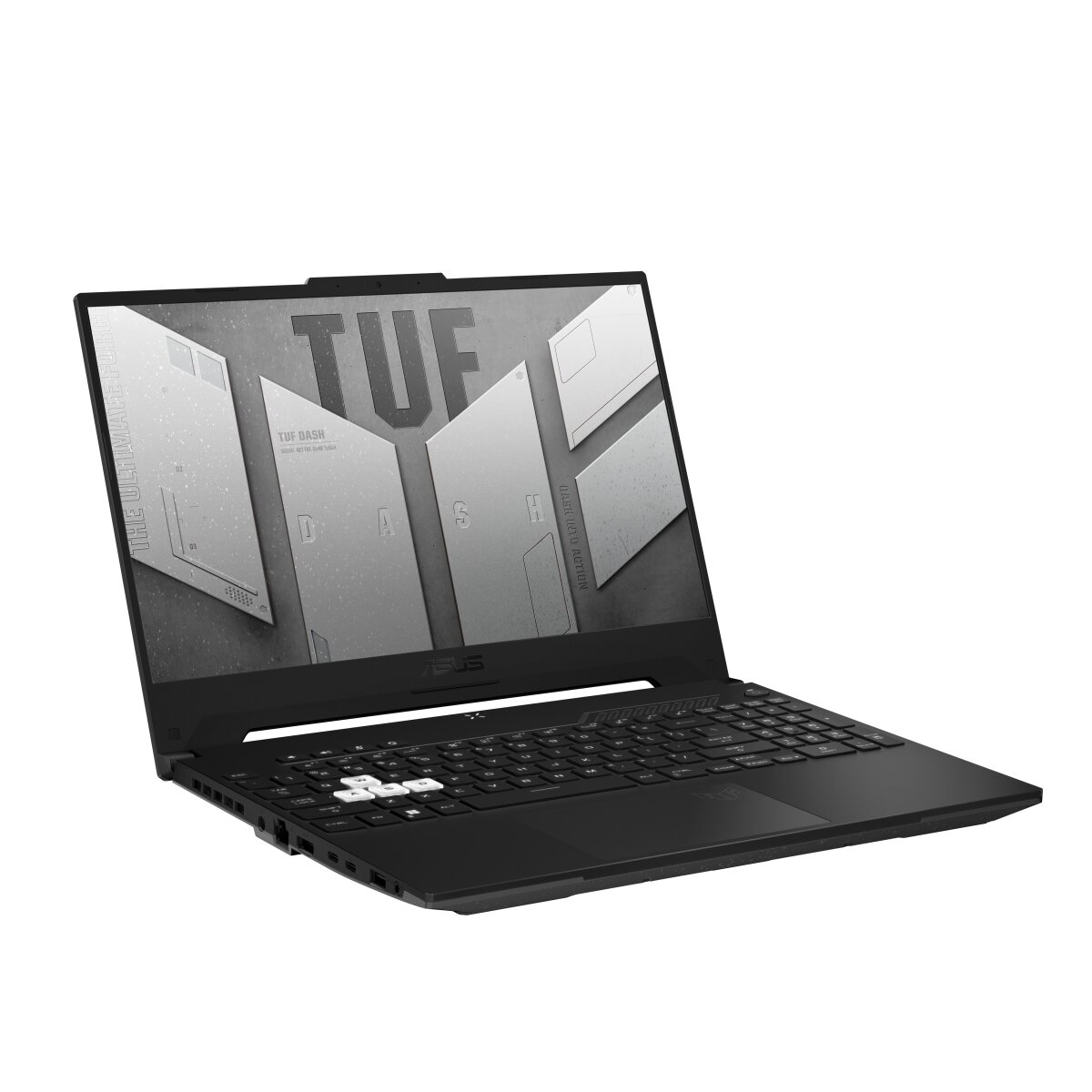
The ASUS TUF Dash F15 series model FX517ZE-HN046W supports DDR5-SDRAM memory upgrades with two SO-DIMM slots for maximum capacity of 32 GB total. Compatible RAM modules operate at 4800 MHz frequency and utilize SO-DIMM form factor. Specifications indicate the laptop accommodates DDR5 memory upgrades to achieve maximum memory configuration of 32 GB across both available slots.
Memory Upgrade Specifications
| Specification | Value |
|---|---|
| Memory slots | 2x SO-DIMM |
| Form factor | SO-DIMM |
| Memory type | DDR5-SDRAM |
| Frequency | 4800 MHz |
| Maximum RAM | 32 GB |
| Voltage | 1.1V |
| Number of pins | 262-pin |
| Interface | PC5 |
| PC Speed Rating | PC5-4800 (PC5-38400) |
| Bandwidth | 38.4 GB/s |
| Laptop Release date | 30 May 2022 |
Additional Notes
- The 32 GB memory ceiling reflects Intel 12th generation controller limitations rather than physical slot restrictions, making future capacity expansions beyond this threshold impossible without motherboard replacement.
- DDR5-4800 represents the JEDEC baseline specification, indicating the memory controller will downclock any higher-frequency modules to 4800 MHz regardless of their rated speed.
- DDR4 modules are electrically and physically incompatible with this DDR5 implementation due to different notch positions and voltage requirements, preventing accidental installation of legacy memory.
- Dual SO-DIMM population enables automatic dual-channel operation when matched capacity modules occupy both slots, delivering theoretical bandwidth of 76.8 GB/s compared to 38.4 GB/s in single-channel configurations.
- The ASUS TUF Dash FX517ZE-HN046W memory controller enforces JEDEC standard timings at boot, meaning XMP/EXPO profiles on enthusiast-grade modules will remain inactive without manual BIOS intervention.
- SO-DIMM slot accessibility typically requires bottom panel removal on this chassis design, though soldered memory absence means RAM replacement carries no desoldering risks that would void manufacturer warranties.
- Mixing module capacities triggers asymmetric dual-channel mode (Flex Mode), where only the matched portion operates in dual-channel while excess capacity reverts to single-channel bandwidth.
- Non-ECC unbuffered modules represent the only supported topology, as registered or ECC variants will trigger POST failures due to mobile platform controller restrictions.
- The 1.1V DDR5 operating voltage versus DDR4's 1.2V standard reduces thermal output within the confined laptop chassis but eliminates compatibility with external voltage regulator modifications.
- Memory speed validation at 4800 MHz uses higher latency compared to equivalent DDR4-3200 implementations, though superior burst performance compensates in GPU-shared memory scenarios typical of gaming workloads.