ASUS TUF Dash FX517ZE-HN045W RAM upgrade specifications
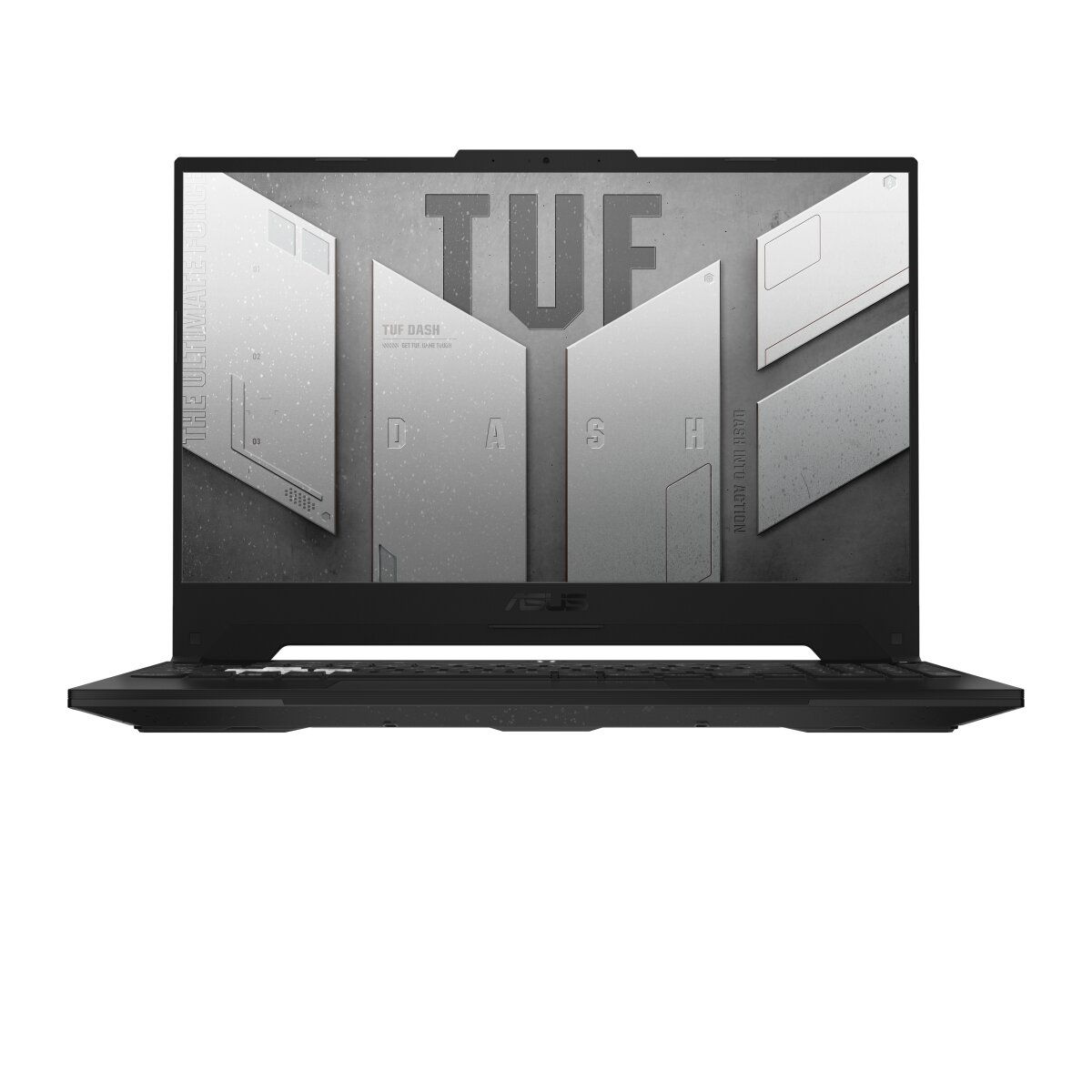
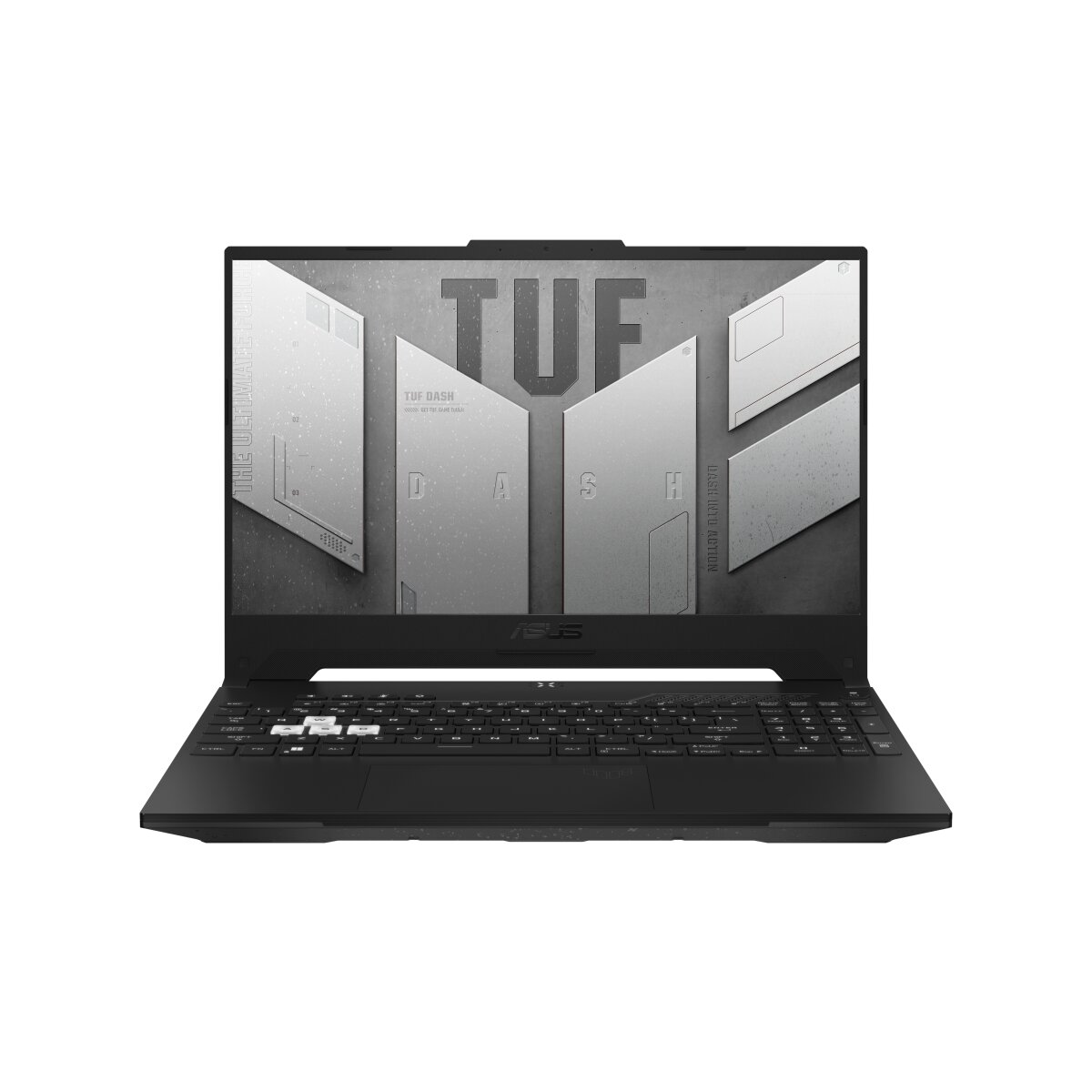
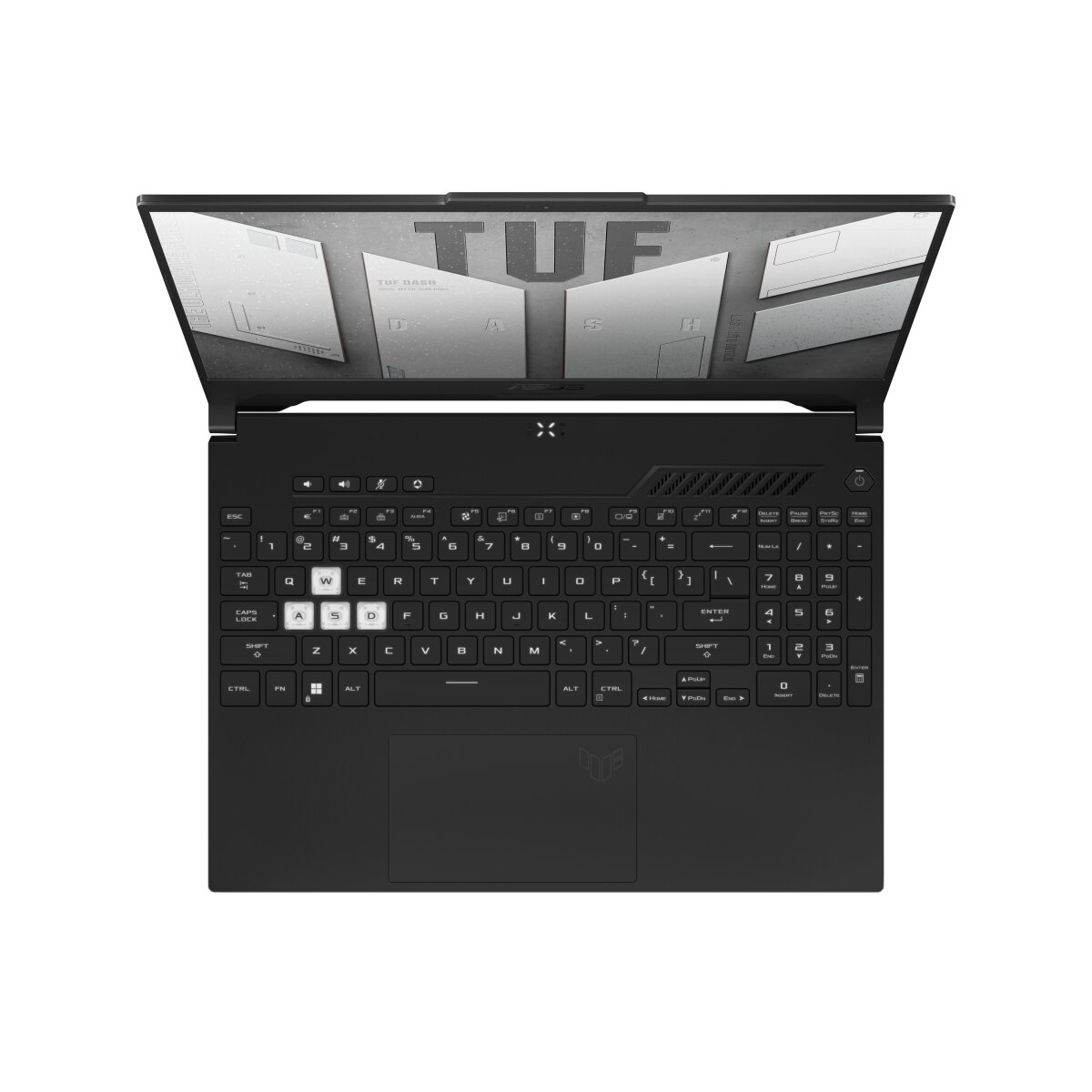
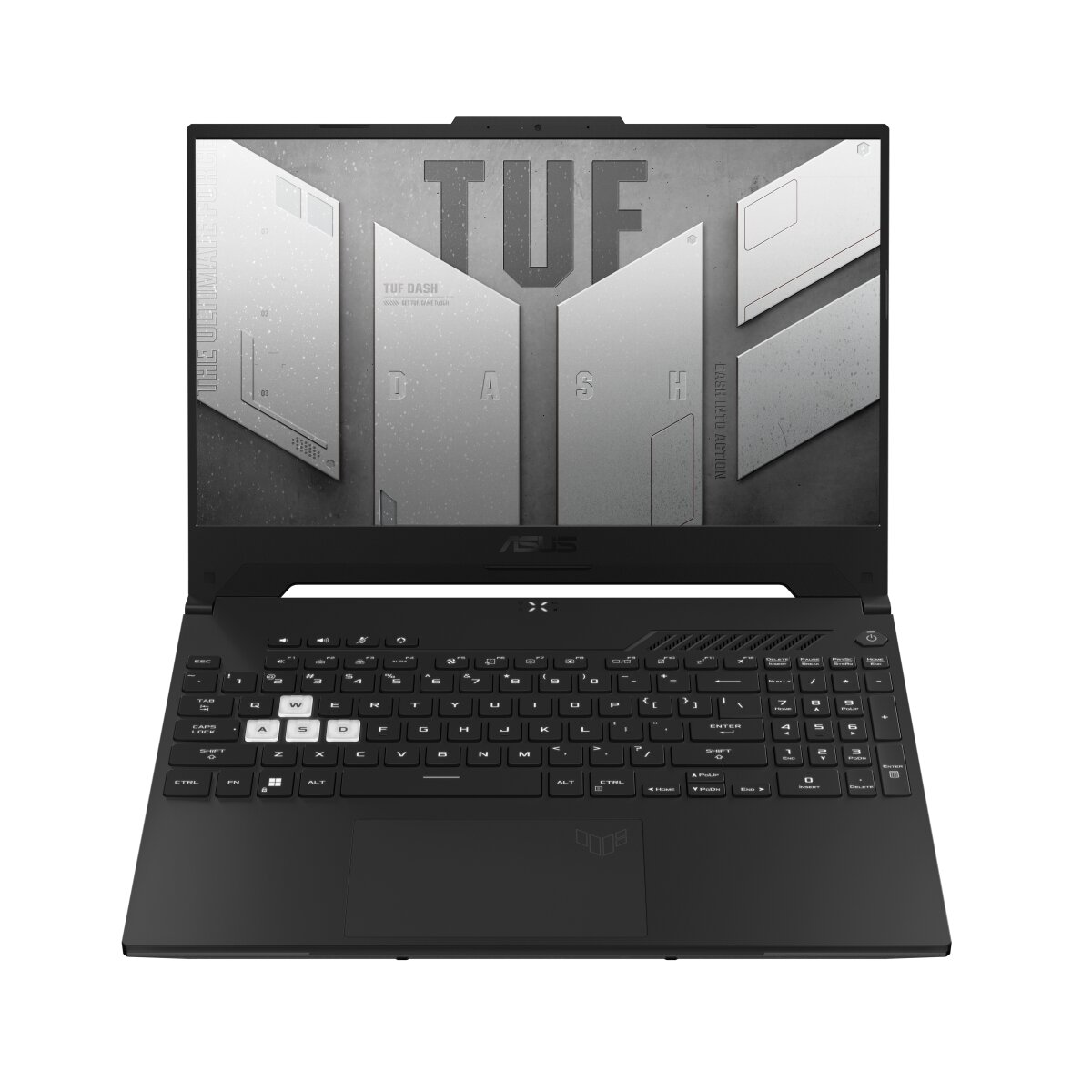
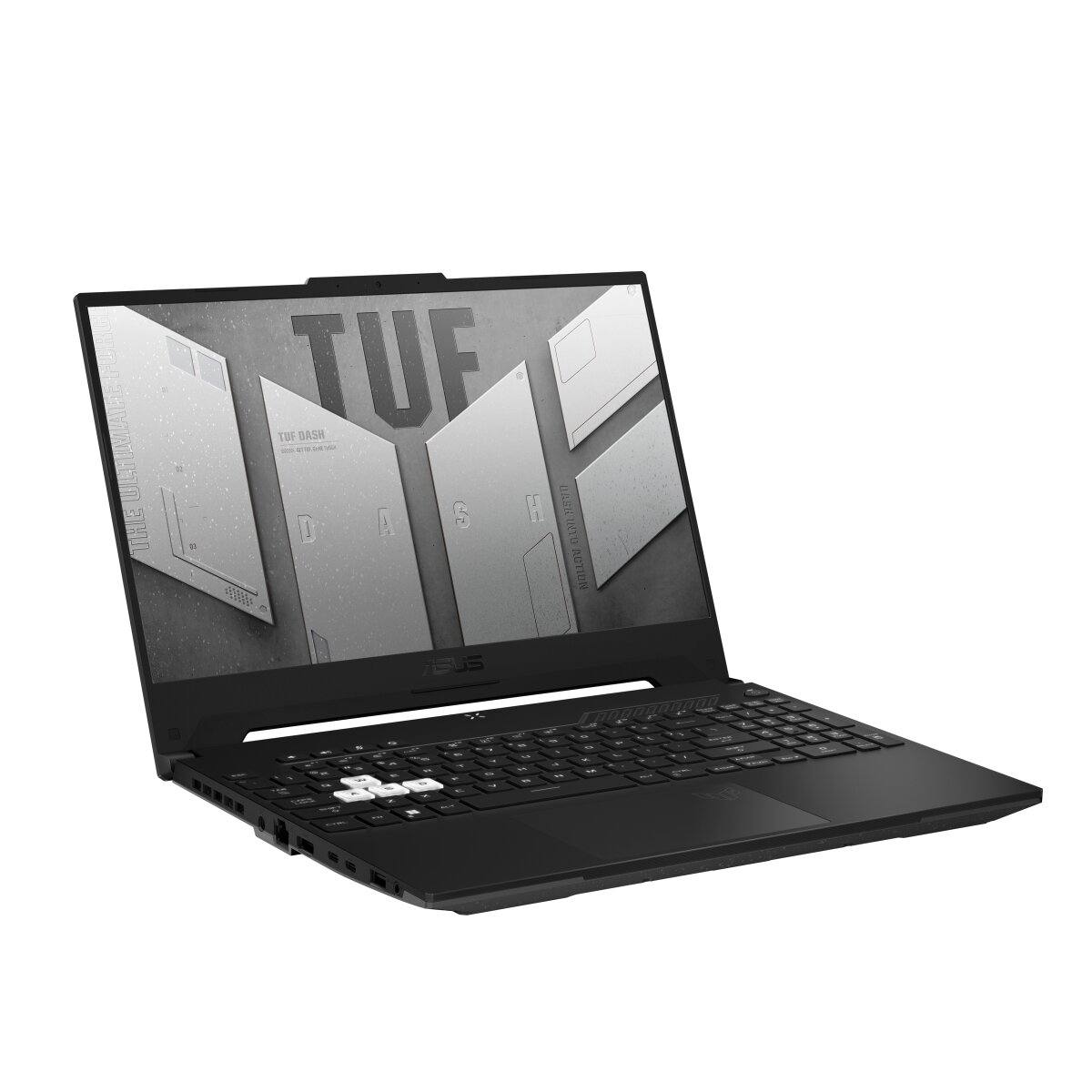
ASUS TUF Dash F15 FX517ZE-HN045W specifications detail memory upgrade capabilities. The laptop features two SO-DIMM slots supporting DDR5-SDRAM memory at 4800 MHz frequency. Maximum RAM capacity is 32 GB total, accommodating compatible DDR5 upgrades. The specifications indicate the memory configuration and upgrade slots available for this TUF Dash FX517ZE-HN045W model. Current and future memory installations must comply with DDR5-SDRAM standards and SO-DIMM form factor requirements for proper functionality.
Memory Upgrade Specifications
| Specification | Value |
|---|---|
| Memory slots | 2x SO-DIMM |
| Form factor | SO-DIMM |
| Memory type | DDR5-SDRAM |
| Frequency | 4800 MHz |
| Maximum RAM | 32 GB |
| Voltage | 1.1V |
| Number of pins | 262-pin |
| Interface | PC5 |
| PC Speed Rating | PC5-4800 (PC5-38400) |
| Bandwidth | 38.4 GB/s |
| Laptop Release date | 01 April 2022 |
Additional Notes
- The ASUS TUF Dash FX517ZE-HN045W supports DDR5 memory exclusively, which means DDR4 modules from legacy systems cannot be physically installed due to different keying notches and pin configurations.
- SO-DIMM slots impose a 16 GB per-module ceiling, requiring 2 matched 16 GB modules to reach the 32 GB maximum rather than single larger capacity options.
- The 4800 MHz specification represents JEDEC standard DDR5 performance; higher frequency modules (5600 MHz and above) may be mechanically compatible but will operate at reduced 4800 MHz speeds without overclocking support in this device.
- Replacing or upgrading memory requires removal of the bottom access panel, and dual-slot configuration eliminates the option for asymmetric population (for example, adding a single stick to existing memory carries compatibility risks due to timing synchronization requirements).
- Factory memory configuration is typically single-channel or hybrid across the 2 slots; upgrading both slots simultaneously to identical modules is strongly recommended to prevent performance degradation and maintain warranty coverage.
- The 32 GB ceiling presents a lasting limitation for memory-intensive workloads such as virtual machine hosting or large dataset processing, as future upgrade paths beyond this threshold do not exist within this platform.