ASUS TUF Dash FX517ZE-HN050 RAM upgrade specifications
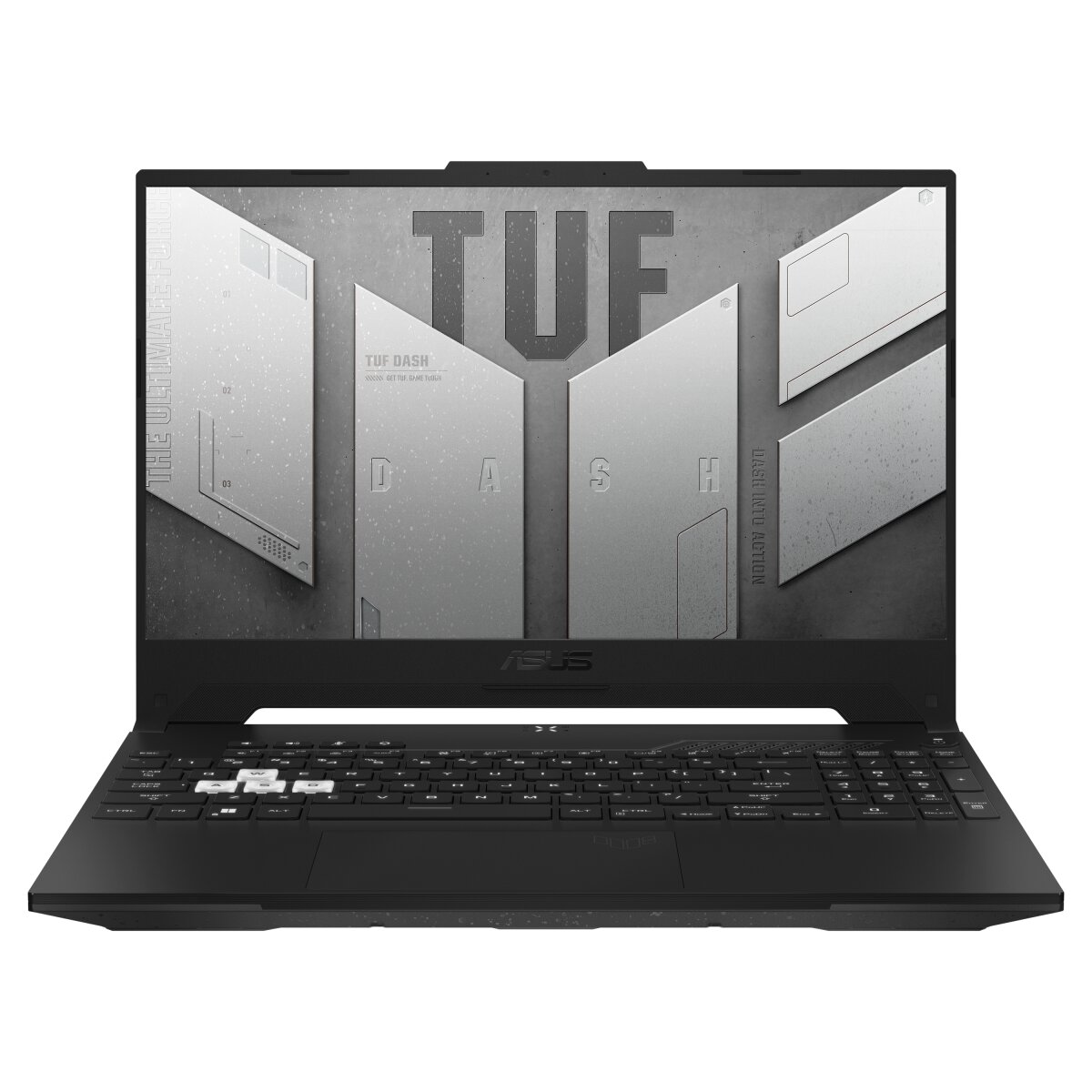

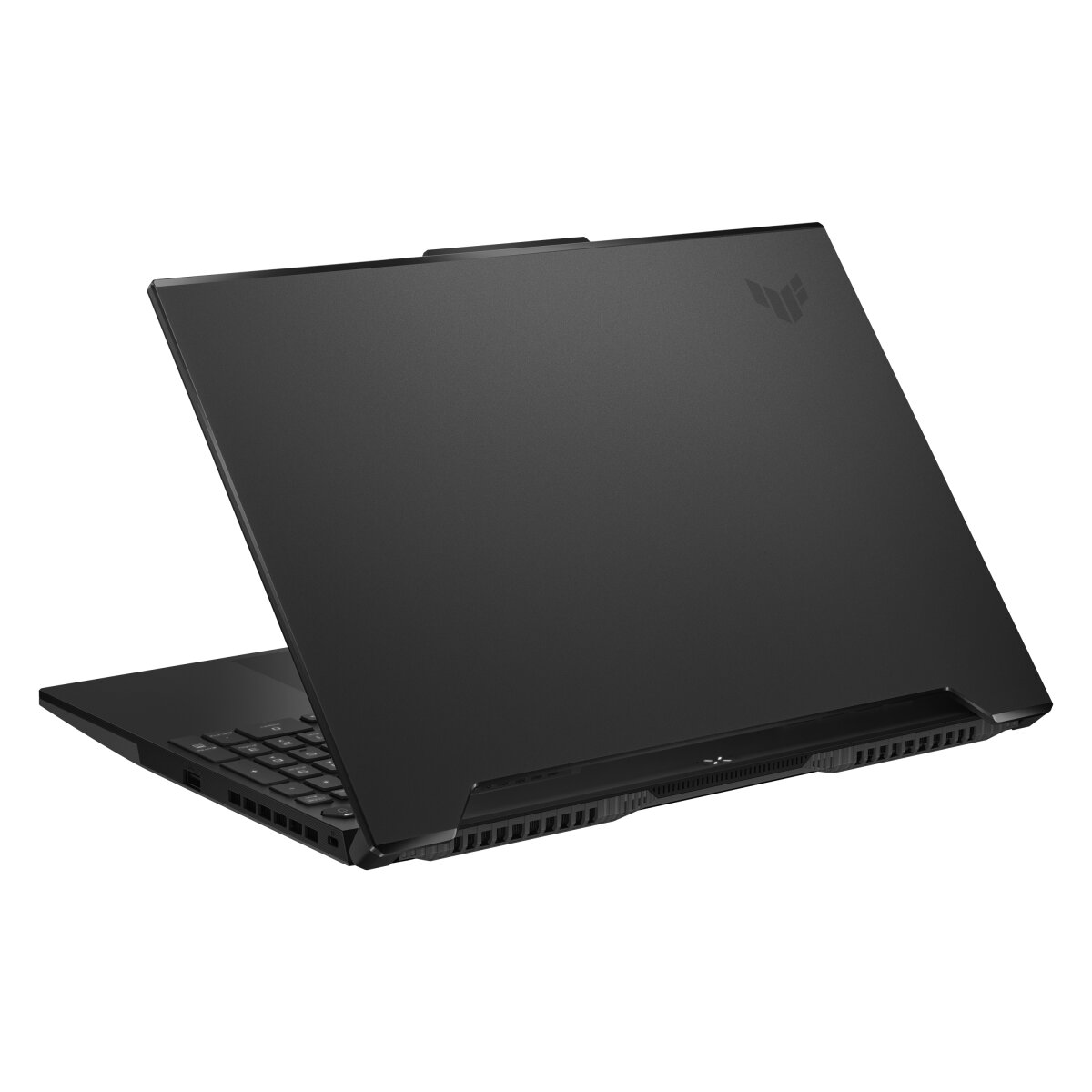

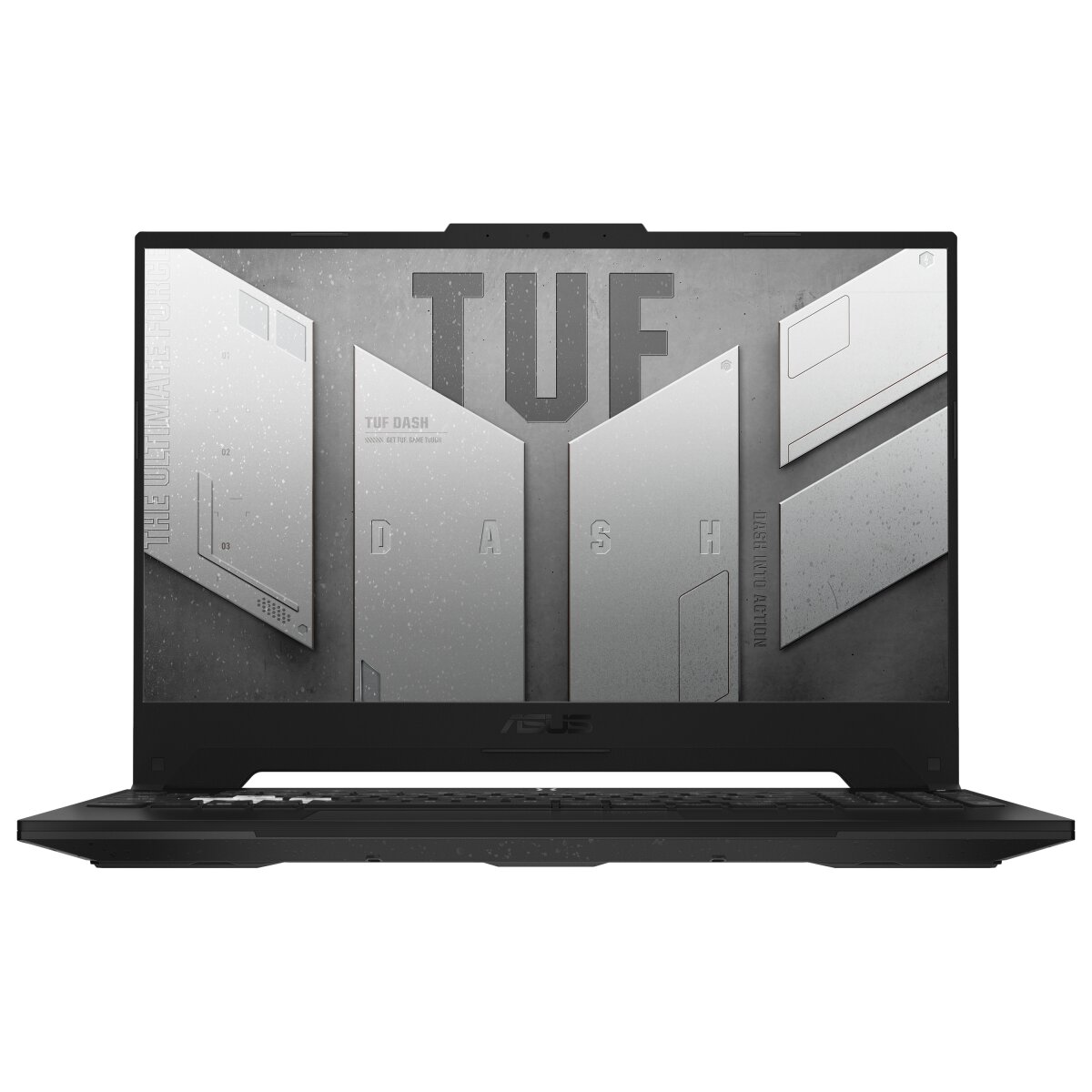
ASUS TUF Dash F15 FX517ZE-HN050 laptop features 2x SO-DIMM memory slots supporting DDR5-SDRAM upgrades. Maximum RAM capacity reaches 32 GB total. Compatible memory operates at 4800 MHz frequency. Specifications indicate SO-DIMM form factor for upgrade compatibility. DDR5 memory technology provides enhanced performance capabilities for the FX517ZE-HN050 model within the TUF Dash family.
Memory Upgrade Specifications
| Specification | Value |
|---|---|
| Memory slots | 2x SO-DIMM |
| Form factor | SO-DIMM |
| Memory type | DDR5-SDRAM |
| Frequency | 4800 MHz |
| Maximum RAM | 32 GB |
| Voltage | 1.1V |
| Number of pins | 262-pin |
| Interface | PC5 |
| PC Speed Rating | PC5-4800 (PC5-38400) |
| Bandwidth | 38.4 GB/s |
| Laptop Release date | 01 February 2022 |
Additional Notes
- The ASUS TUF Dash FX517ZE-HN050 requires DDR5 modules, eliminating backward compatibility with DDR4 or earlier generation memory due to different pin configurations and voltage requirements.
- DDR5 SO-DIMM modules operate at 1.1V compared to DDR4's 1.2V, preventing physical installation of older memory types in the slot architecture.
- The 4800 MHz specification represents the JEDEC base frequency for DDR5, meaning modules rated higher will downclock to this speed unless XMP profiles are available and supported.
- Peak theoretical memory bandwidth reaches 76.8 GB/s in dual-channel configuration with both slots populated at 4800 MHz, substantially affecting GPU performance when sharing system memory.
- The 32 GB maximum capacity constraint stems from chipset limitations or trace design, restricting future expansion beyond 2x16 GB module configurations.
- Single-channel operation with one populated slot reduces available bandwidth by 50%, creating bottlenecks in memory-intensive workloads and integrated graphics scenarios.
- SO-DIMM form factor compliance excludes standard desktop DIMM modules, which measure 133.35 mm compared to the required 69.6 mm notebook format.
- DDR5's on-die ECC feature operates independently of module specifications, providing internal error correction without requiring ECC-specific SO-DIMMs.
- Module height variations beyond JEDEC standard 30 mm profiles may interfere with chassis clearance in this form factor, particularly with aftermarket heat spreaders.
- Mixing modules with different CAS latency timings forces operation at the slowest common denominator, degrading performance below the faster module's capabilities.
- Warranty preservation typically requires maintaining the original memory configuration or using manufacturer-approved modules documented in service bulletins.
- DDR5's dual-channel architecture per module differs from DDR4's single-channel design, affecting how the memory controller manages data distribution across ranks.