ASUS TUF Dash FX517ZE-HN066W RAM upgrade specifications
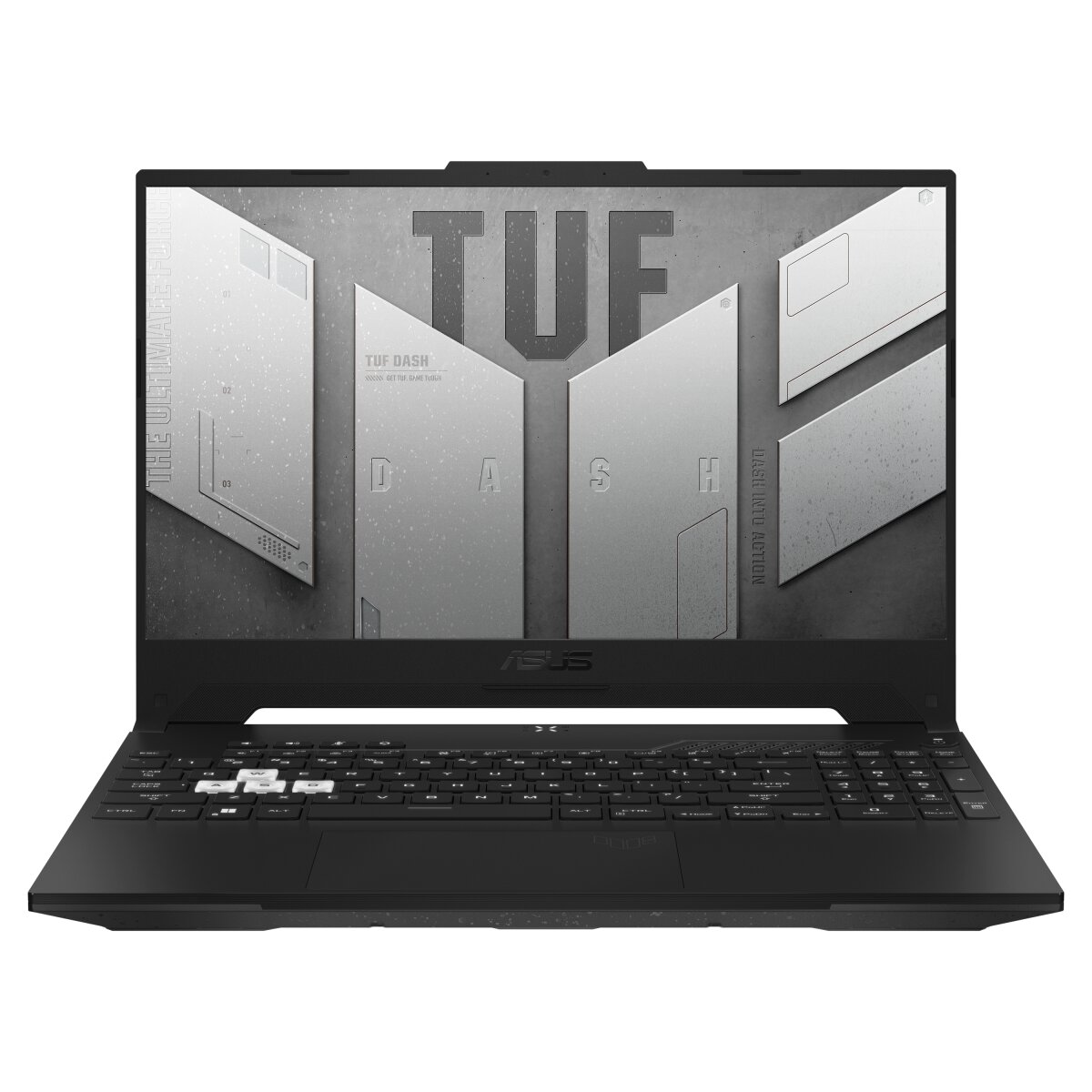
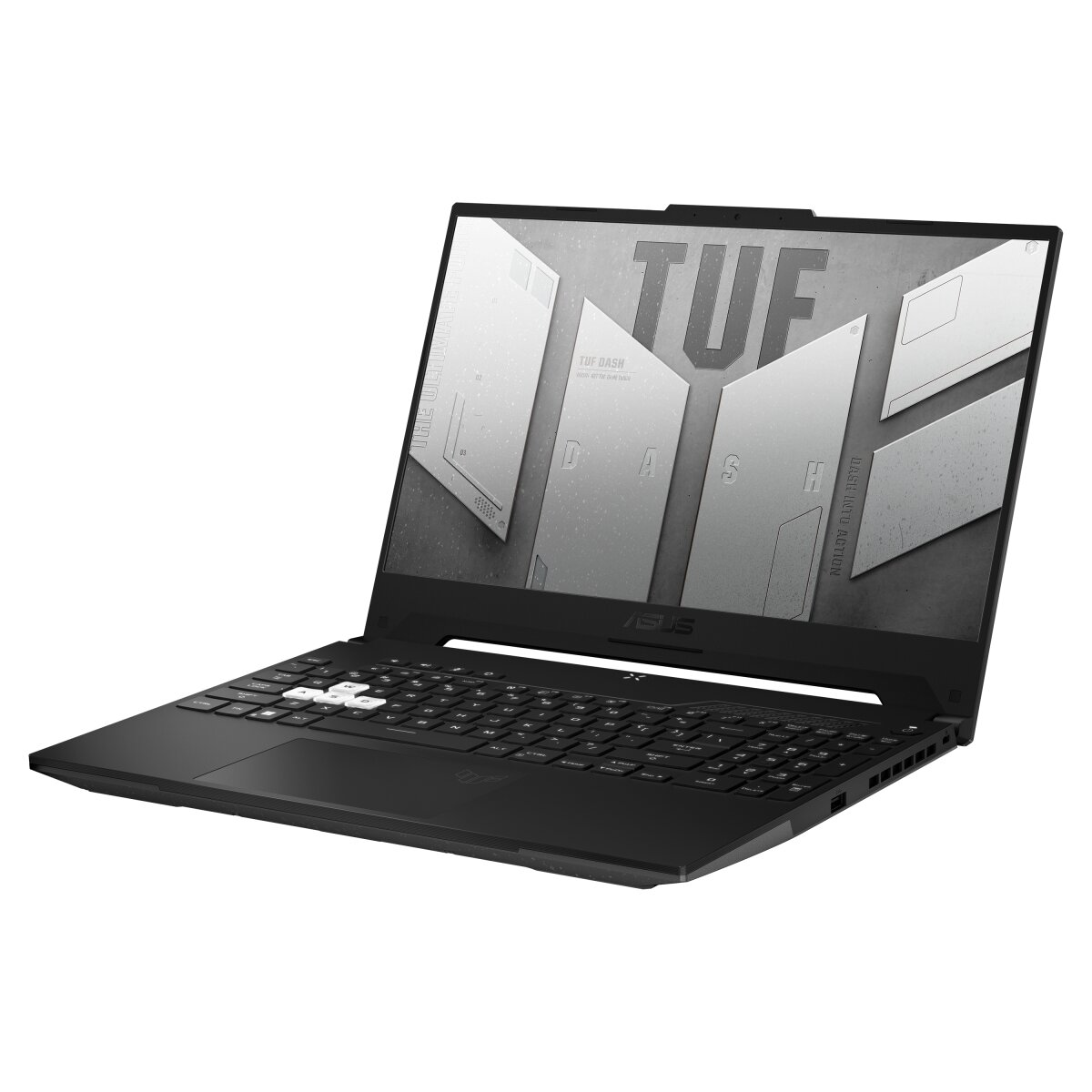
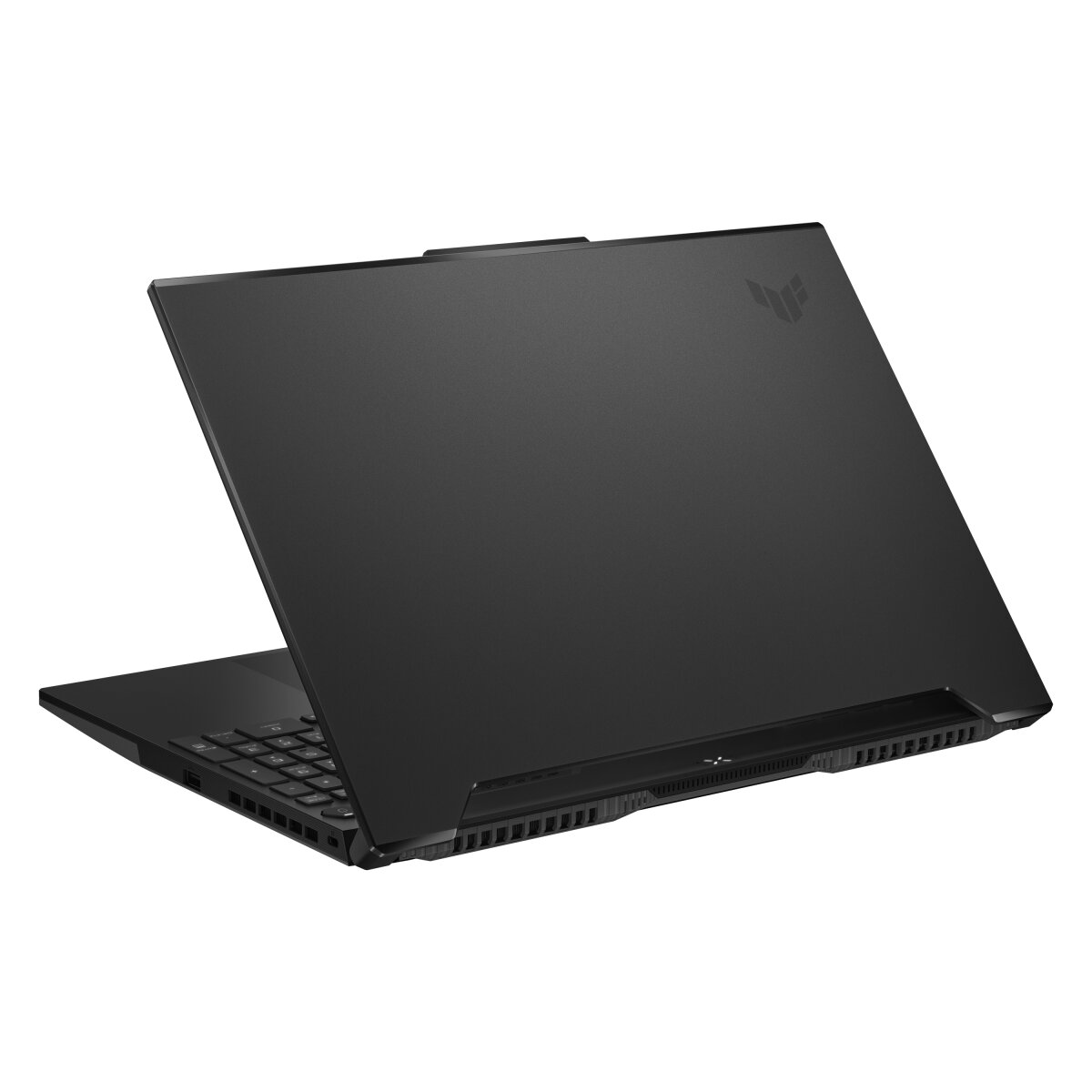
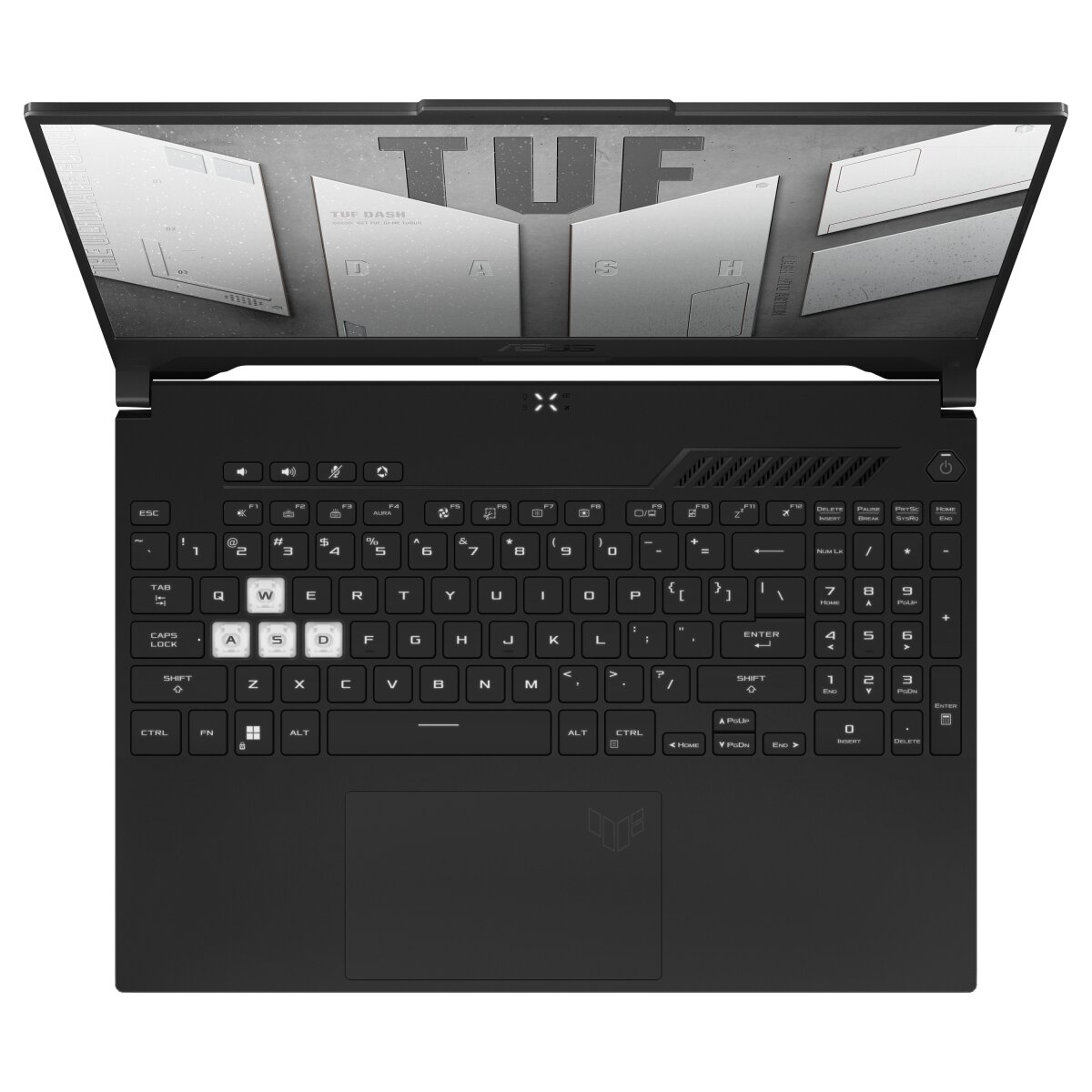
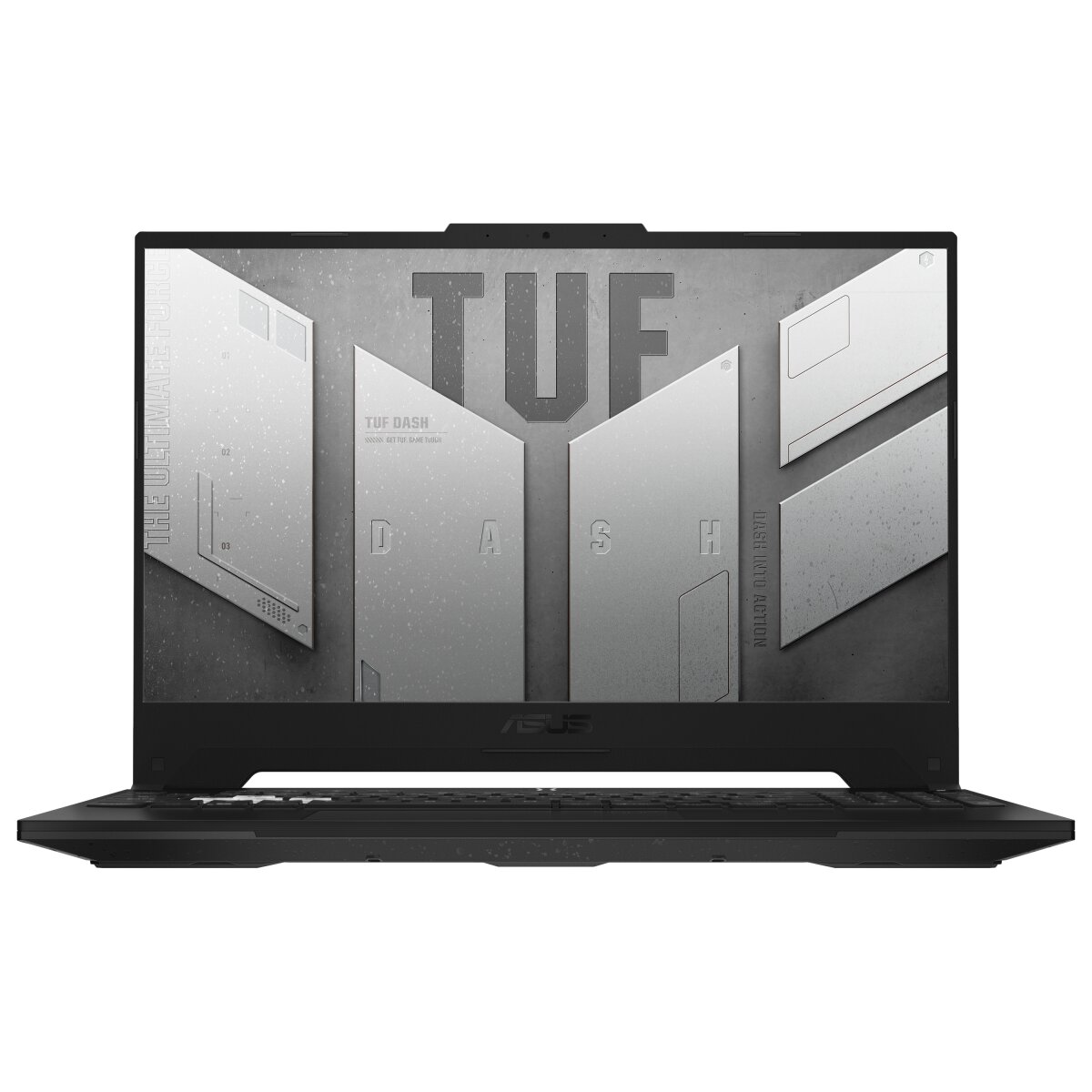
ASUS TUF Dash F15 model FX517ZE-HN066W supports DDR5-SDRAM memory upgrades across 2x SO-DIMM slots. Maximum RAM capacity reaches 32 GB total, with compatible modules operating at 4800 MHz frequency. SO-DIMM form factor specifications enable memory upgrade functionality for enhanced multitasking performance and system responsiveness on laptop configurations.
Memory Upgrade Specifications
| Specification | Value |
|---|---|
| Memory slots | 2x SO-DIMM |
| Form factor | SO-DIMM |
| Memory type | DDR5-SDRAM |
| Frequency | 4800 MHz |
| Maximum RAM | 32 GB |
| Voltage | 1.1V |
| Number of pins | 262-pin |
| Interface | PC5 |
| PC Speed Rating | PC5-4800 (PC5-38400) |
| Bandwidth | 38.4 GB/s |
| Laptop Release date | 31 March 2022 |
Additional Notes
- The presence of 2 SO-DIMM slots allows for dual-channel memory architecture, which significantly improves integrated graphics performance and data transfer rates compared to single-channel configurations.
- The 32 GB ceiling indicates a firmware limitation or a thermal design constraint within the ASUS TUF Dash FX517ZE-HN066W that prevents the stable use of high-density 32 GB modules for a 64 GB total.
- Utilizing DDR5 technology necessitates the use of memory modules with integrated Power Management Integrated Circuits, shifting voltage regulation from the motherboard to the RAM sticks for increased power efficiency.
- Matching the 4800 MHz frequency across both slots is required to maintain the highest possible bus speed, as the system will automatically downclock all memory to the frequency of the slowest installed module.
- Replacing factory-installed memory requires ensuring the new modules adhere strictly to JEDEC standards to avoid timing mismatches or boot failures since mobile BIOS interfaces typically lack XMP or manual voltage adjustments.
- The physical layout of the SO-DIMM slots typically requires removing the entire lower chassis cover, which necessitates the use of non-marring tools to avoid cosmetic damage and potential warranty disputes regarding physical tampering.
- DDR5 modules are not backward compatible with DDR4 slots due to a different notch position and signal pinout, preventing the reuse of legacy hardware from older laptop generations.