ASUS TUF Dash FX517ZE-i58G512m-H1 RAM upgrade specifications
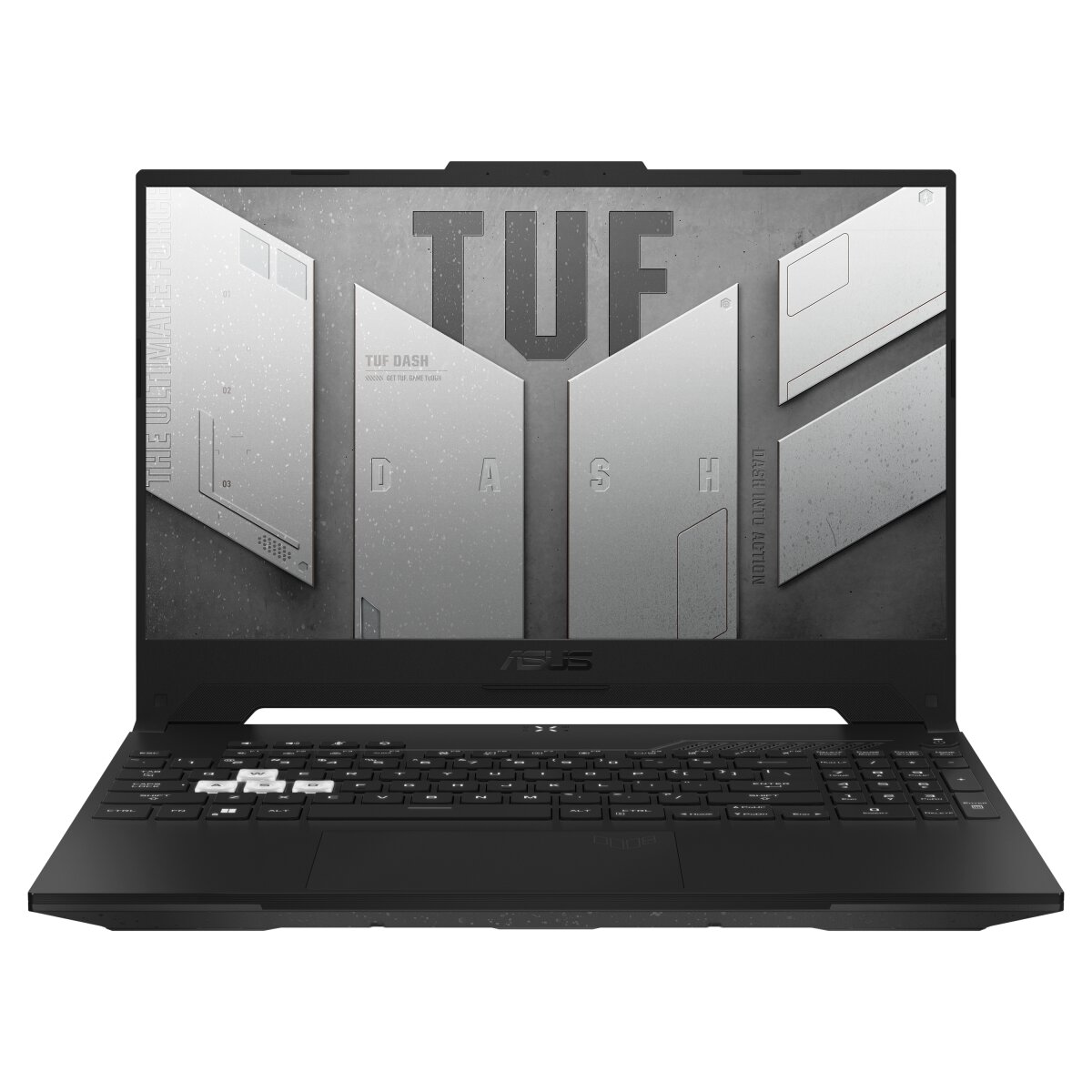
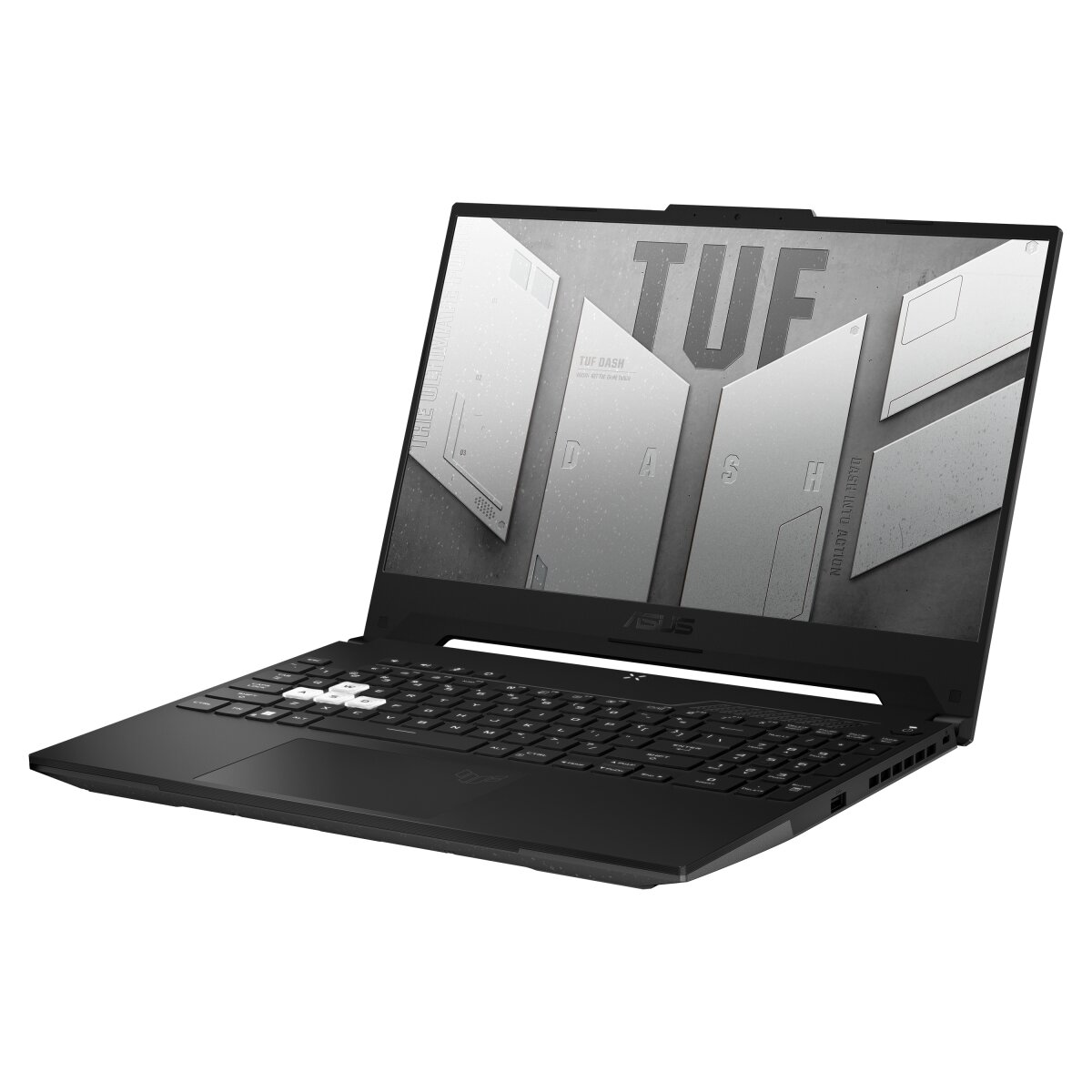
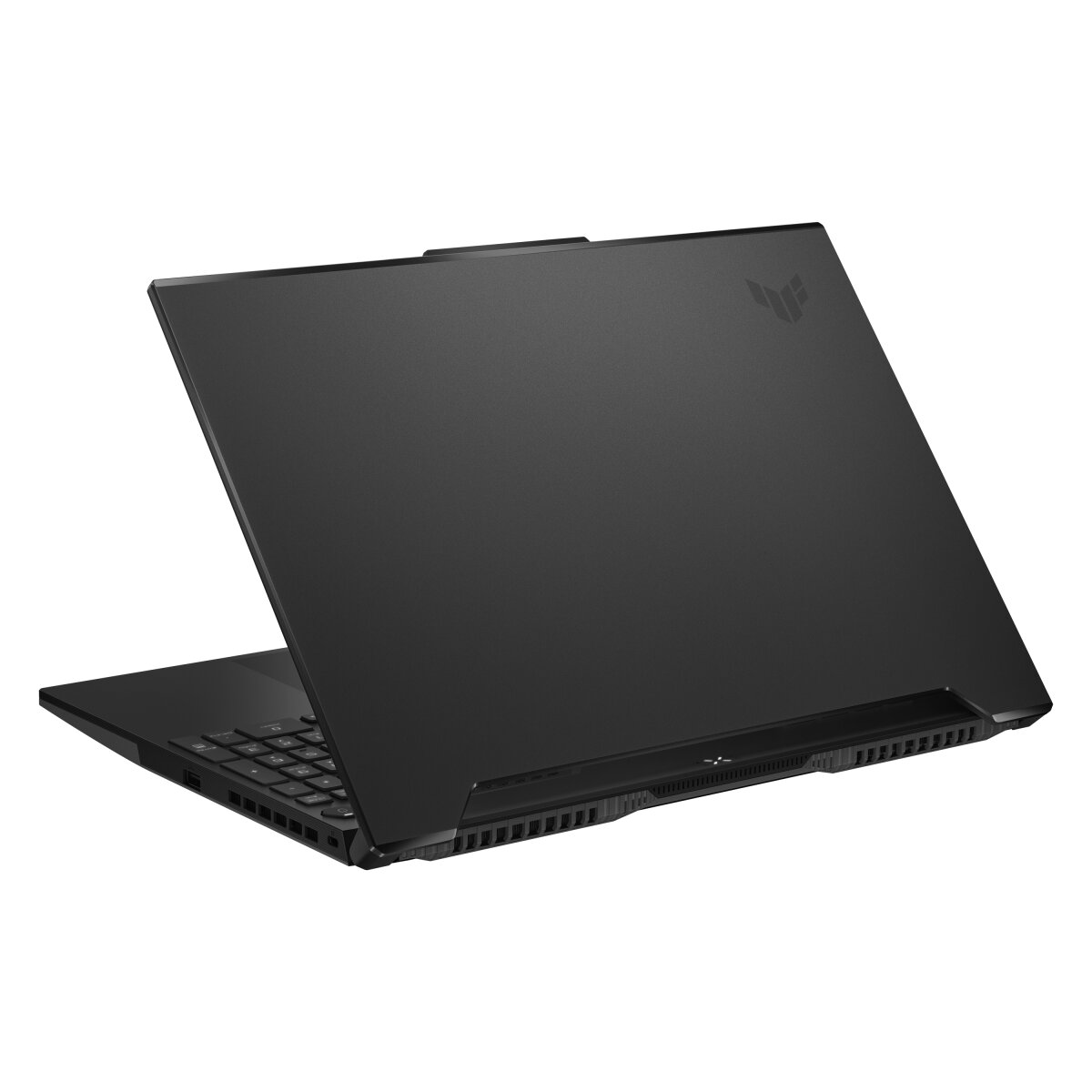
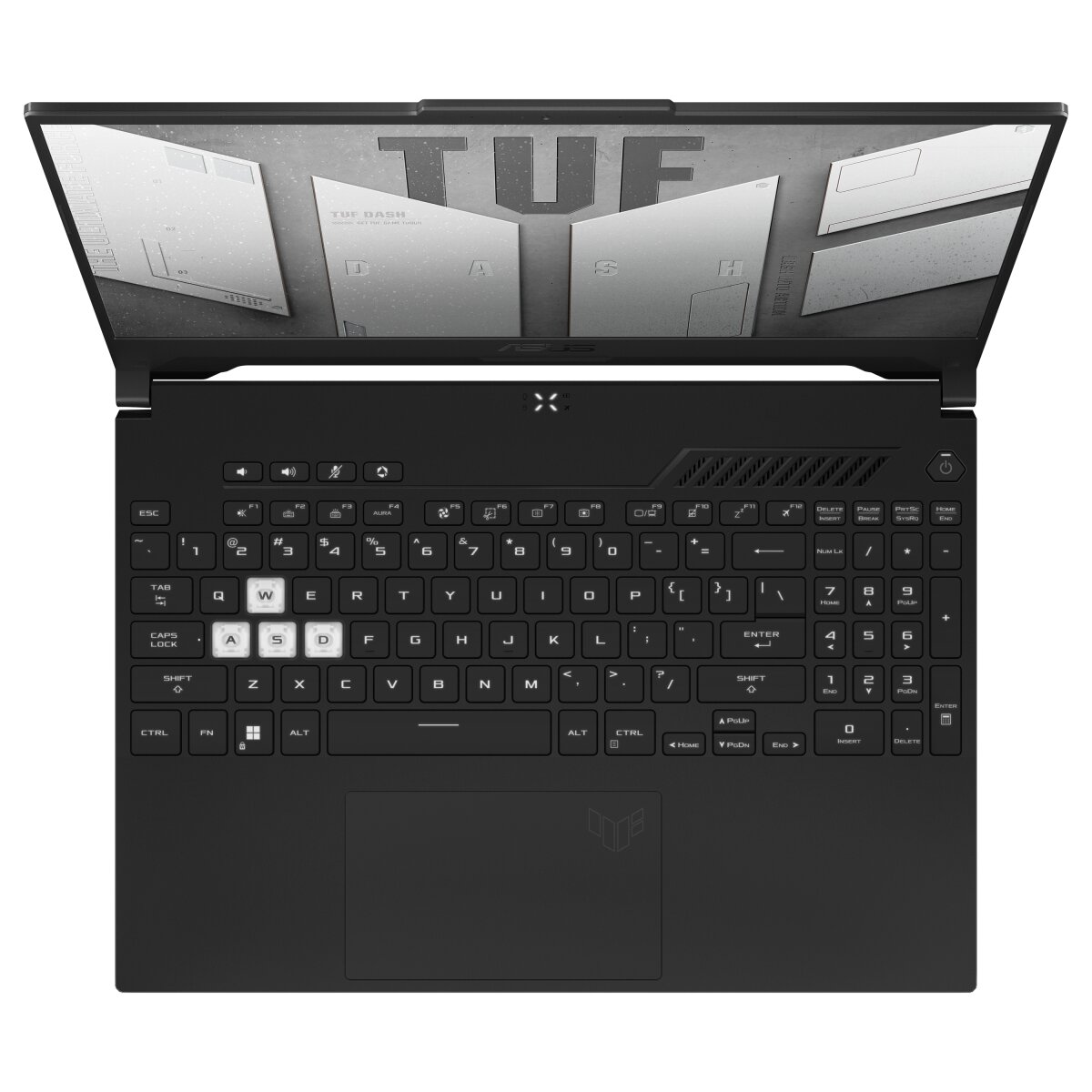
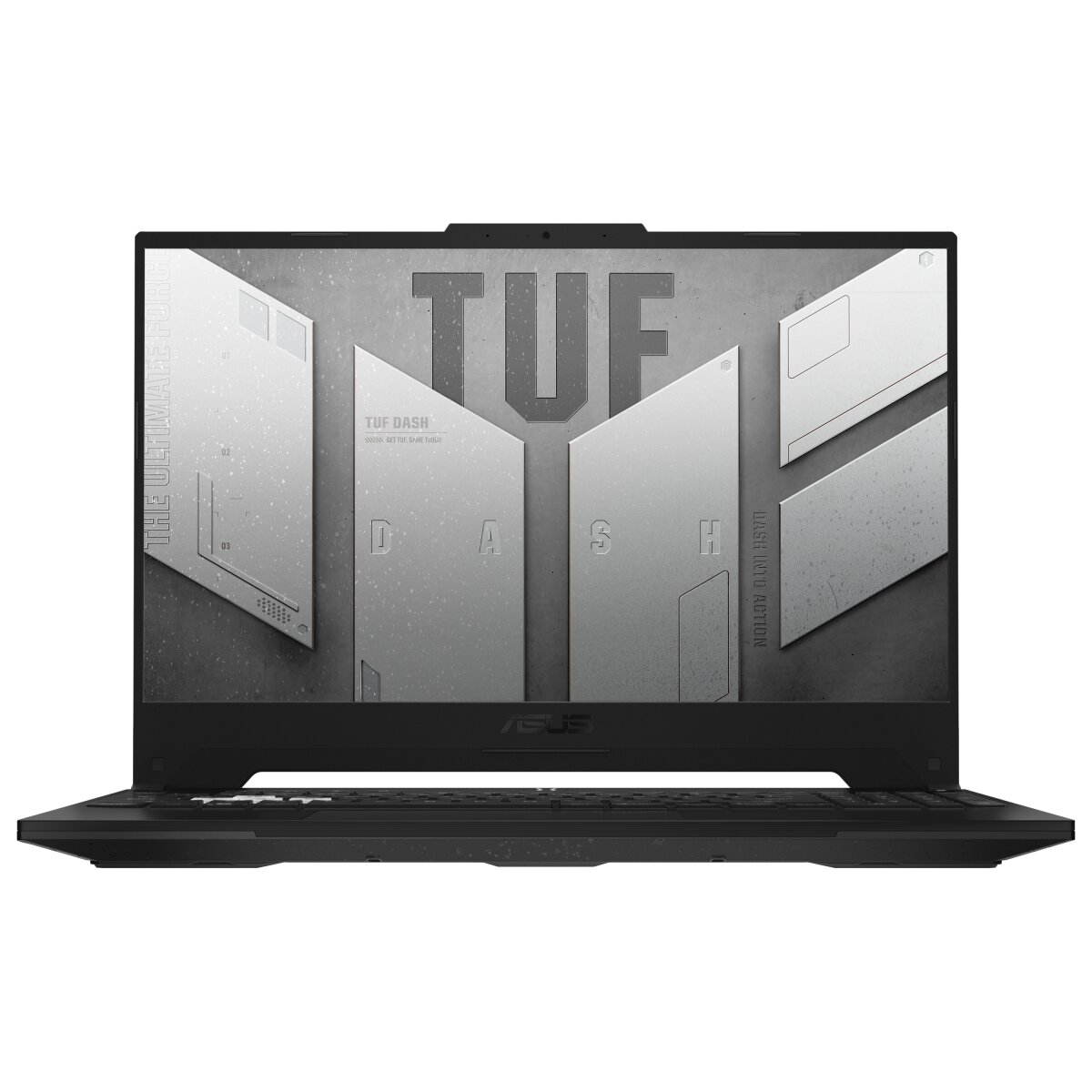
ASUS TUF Dash F15 model FX517ZE-i58G512m-H1 features DDR5-SDRAM memory specifications. The laptop contains 2x SO-DIMM slots for RAM upgrades, supporting a maximum capacity of 32 GB total memory. Compatible memory modules operate at 4800 MHz frequency. The SO-DIMM form factor enables straightforward memory expansion. Specifications allow for flexible RAM configurations up to the maximum supported capacity, accommodating various performance requirements and workload demands.
Memory Upgrade Specifications
| Specification | Value |
|---|---|
| Memory slots | 2x SO-DIMM |
| Form factor | SO-DIMM |
| Memory type | DDR5-SDRAM |
| Frequency | 4800 MHz |
| Maximum RAM | 32 GB |
| Voltage | 1.1V |
| Number of pins | 262-pin |
| Interface | PC5 |
| PC Speed Rating | PC5-4800 (PC5-38400) |
| Bandwidth | 38.4 GB/s |
Additional Notes
- DDR5-SDRAM operates at reduced latency compared to DDR4 equivalents, enabling faster data transfers to the CPU. This architecture benefits multithreaded workloads and high-bandwidth applications, but only when paired with DDR5-capable processors.
- The ASUS TUF Dash FX517ZE-i58G512m-H1 supports 32 GB maximum capacity across 2 SO-DIMM slots, indicating asymmetric configurations are possible (e.g., 8 GB + 24 GB). Unmatched modules may force the system to operate at the slower module's frequency, reducing performance gains from the faster DDR5-4800 specification.
- SO-DIMM form factor restricts upgrades to laptop-specific modules. Desktop DDR5 UDIMM sticks are physically incompatible and will not seat in the available slots, eliminating cross-platform salvage as an upgrade option.
- DDR5-4800 MHz frequency represents the native specification ceiling for this model. Overclocked or higher-frequency modules (DDR5-5200, DDR5-5600) may post within BIOS but carry risk of data corruption, system instability, and potential warranty invalidation if POST failures occur.
- The 2-slot architecture creates a practical upgrade bottleneck. Single-slot upgrades cannot exceed 24 GB total without replacing the existing module, eliminating incremental 8 GB additions as a cost-effective strategy.
- 12th-generation Intel processors in this generation support DDR5 natively, but the integrated memory controller may enforce stricter timing constraints than published module specifications at maximum capacity. Testing stability after upgrading to 32 GB is warranted before committing mission-critical workloads.