ASUS TUF Dash FX517ZM-AS73 RAM upgrade specifications
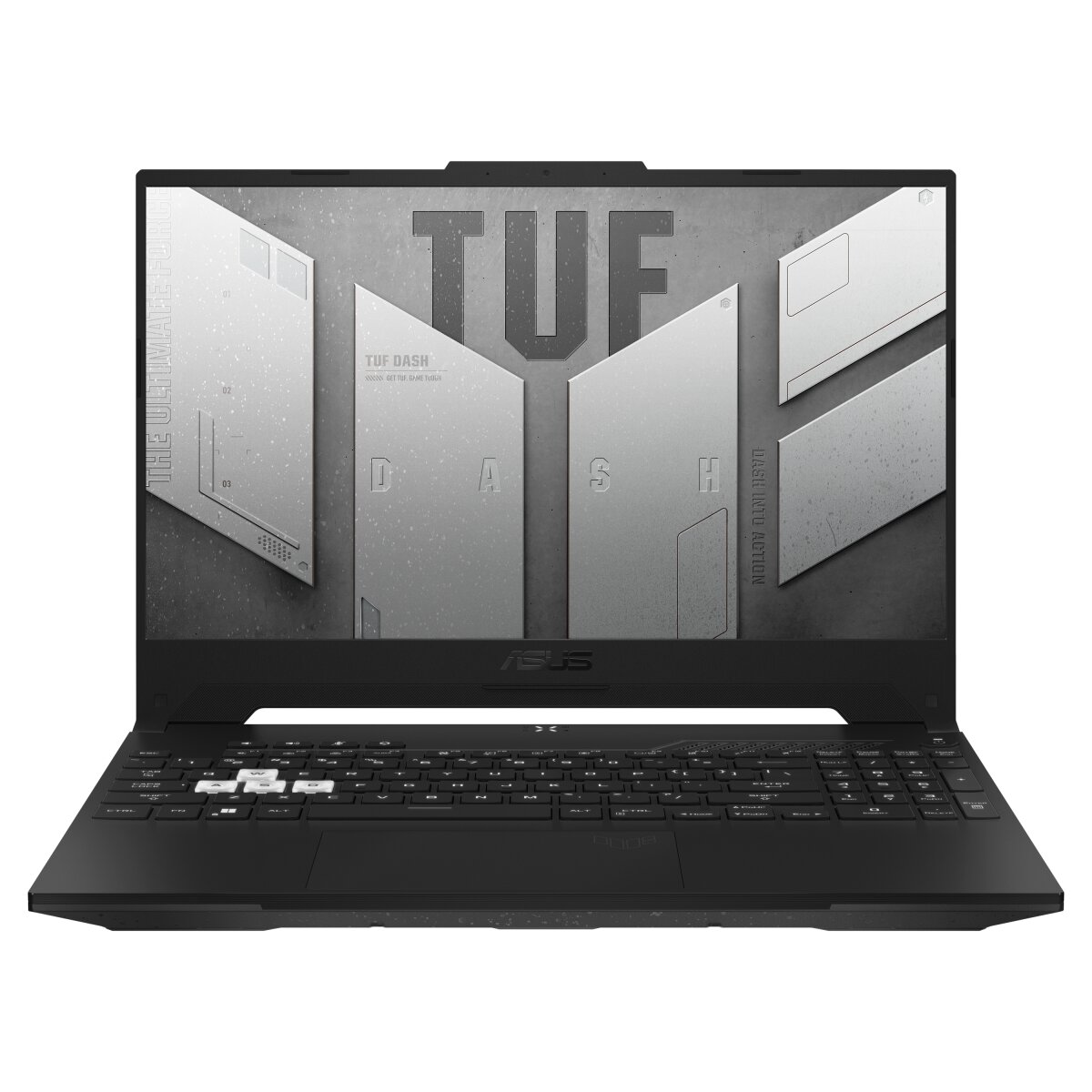
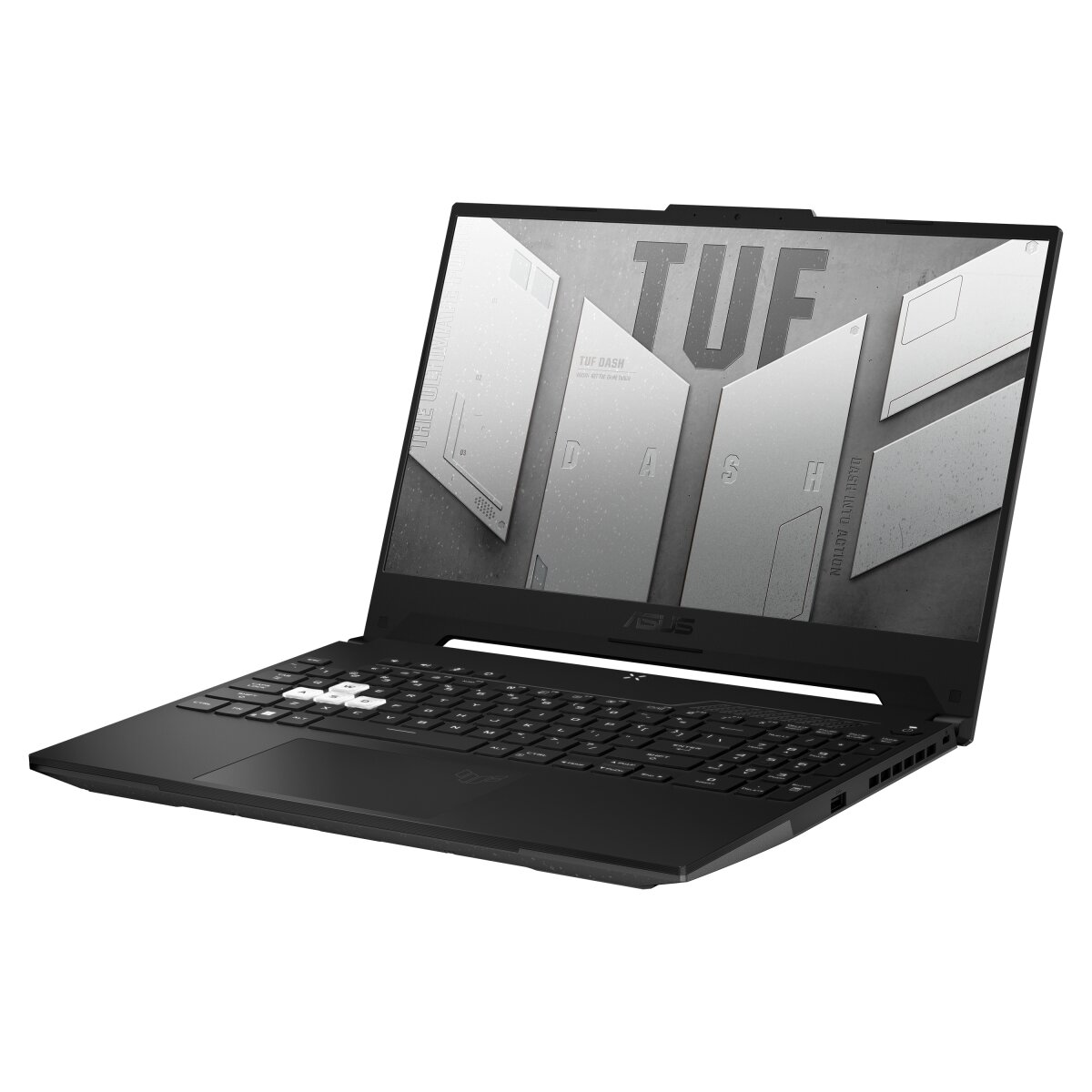
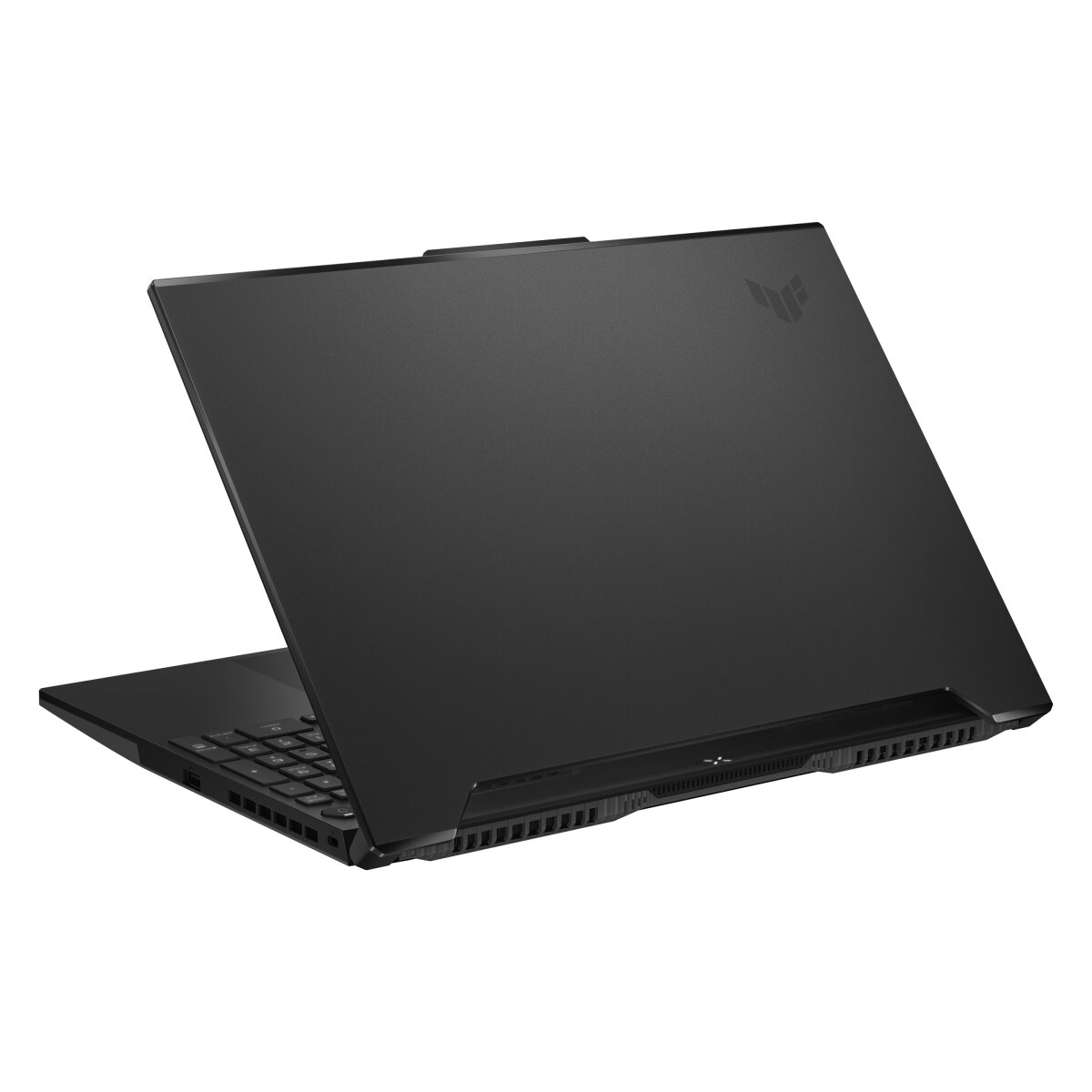
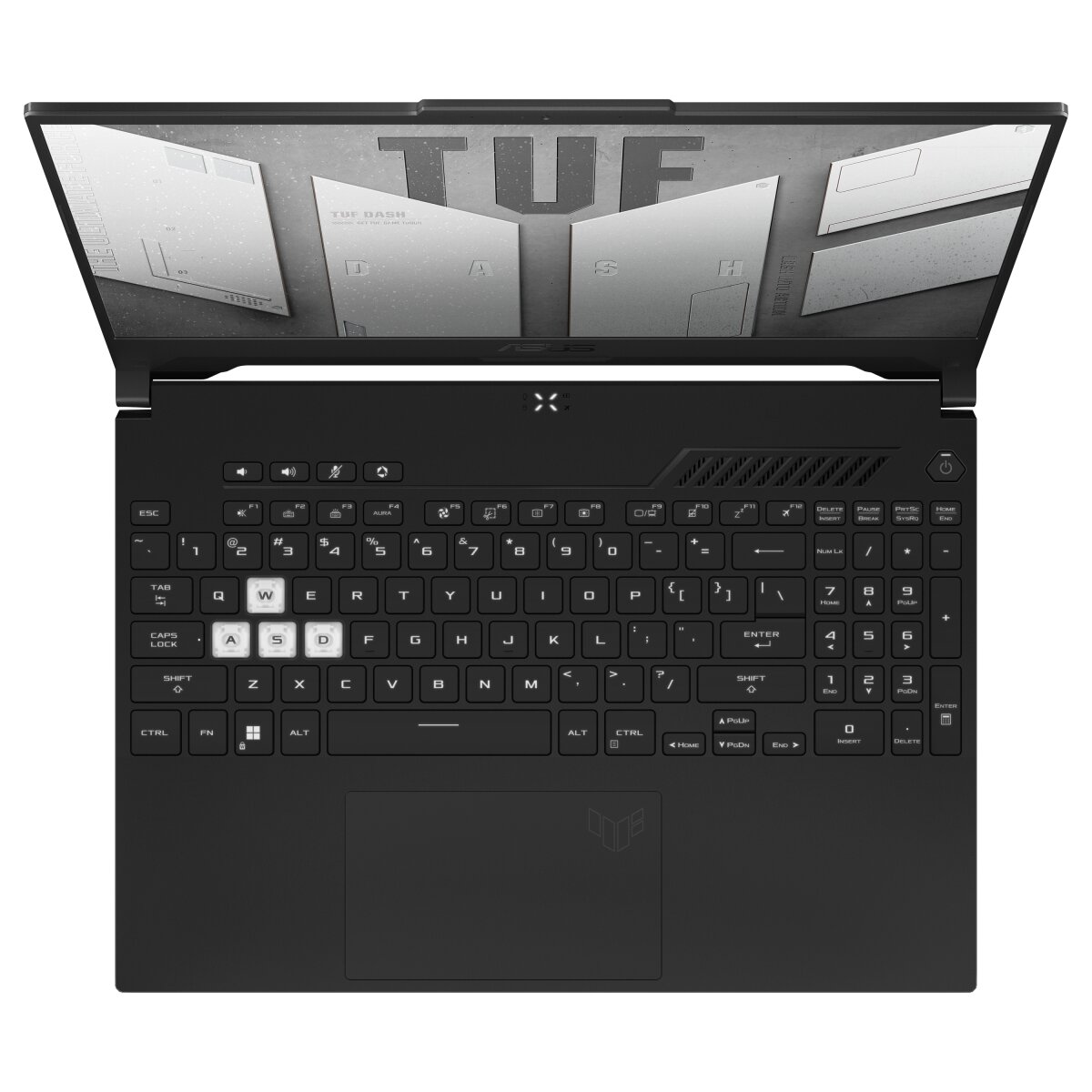
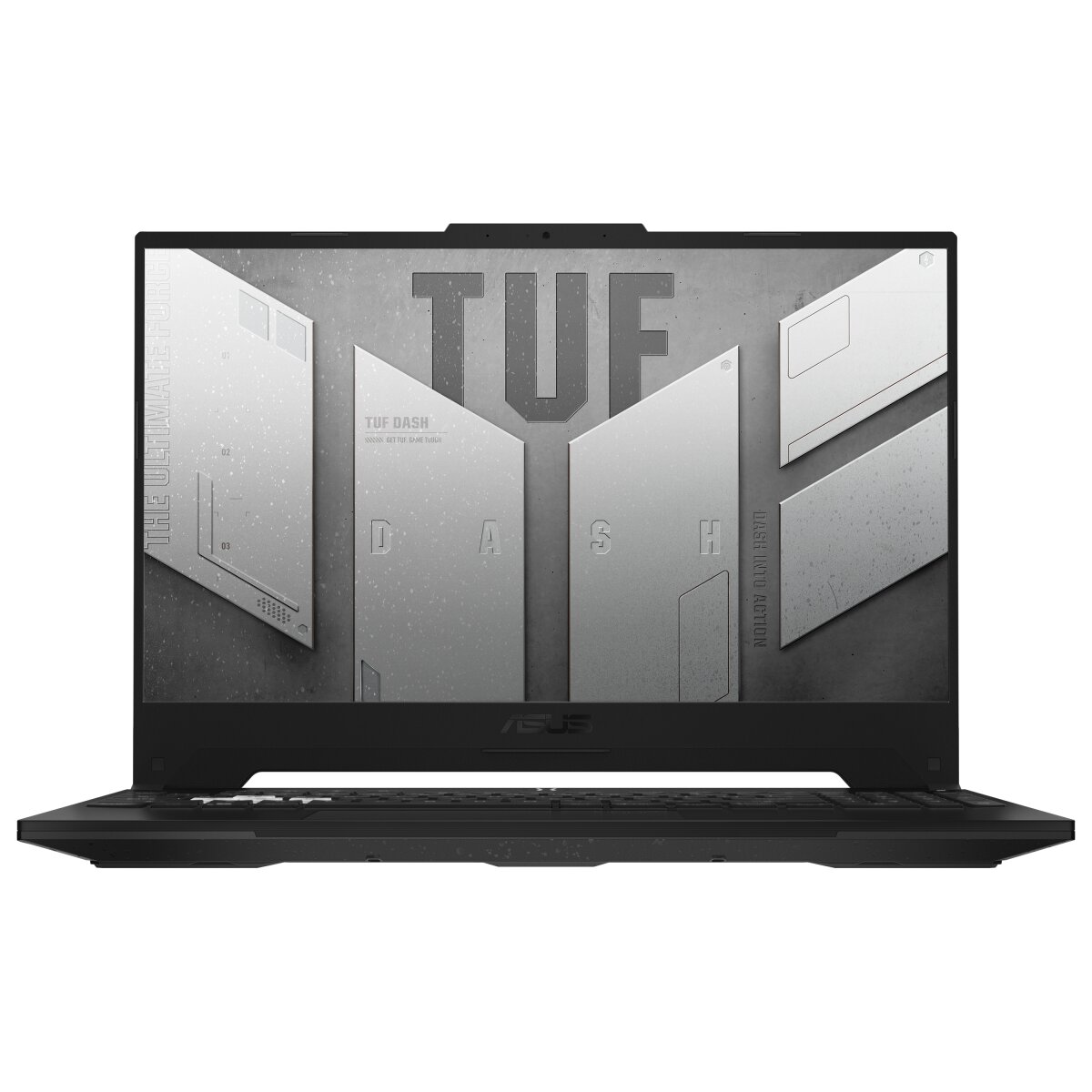
ASUS TUF Dash F15 FX517ZM-AS73 laptop features DDR5-SDRAM memory upgrade capabilities with two SO-DIMM slots supporting maximum capacity of 32 GB. Compatible memory modules operate at 4800 MHz frequency. Specifications indicate upgrade potential through dual SO-DIMM slots, accommodating DDR5 SO-DIMM form factor modules rated for 4800 MHz performance. Maximum expandable RAM capacity reaches 32 GB total across available memory slots.
Memory Upgrade Specifications
| Specification | Value |
|---|---|
| Memory slots | 2x SO-DIMM |
| Form factor | SO-DIMM |
| Memory type | DDR5-SDRAM |
| Frequency | 4800 MHz |
| Maximum RAM | 32 GB |
| Voltage | 1.1V |
| Number of pins | 262-pin |
| Interface | PC5 |
| PC Speed Rating | PC5-4800 (PC5-38400) |
| Bandwidth | 38.4 GB/s |
Additional Notes
- The dual channel architecture implies that installing two identical modules is necessary to achieve the intended bus bandwidth and avoid single channel bottlenecks.
- The 32 GB maximum capacity indicates that 16 GB is the largest supported density for a single SO DIMM module in each of the 2 slots.
- The DDR5 4800 MHz specification requires modules with an on die ECC feature for hardware level error management which is inherent to this memory generation.
- Physical installation in the ASUS TUF Dash FX517ZM-AS73 requires a Phillips head screwdriver and a non conductive prying tool to release the plastic clips holding the bottom panel.
- The use of SO DIMM slots rather than soldered memory allows for the replacement of both factory modules if lower latency timings are required for specific workloads.
- Mismatched frequency ratings between the two slots will result in the system defaulting to the lowest common denominator speed to maintain signal stability.
- Upgrading memory on this platform does not typically void the manufacturer warranty provided no internal components are damaged during the process.
- Compatibility is limited to 1.1 V memory modules as the chipset does not support the higher voltage requirements of older DDR4 technology.