ASUS TUF Dash FX517ZM-HN118W RAM upgrade specifications


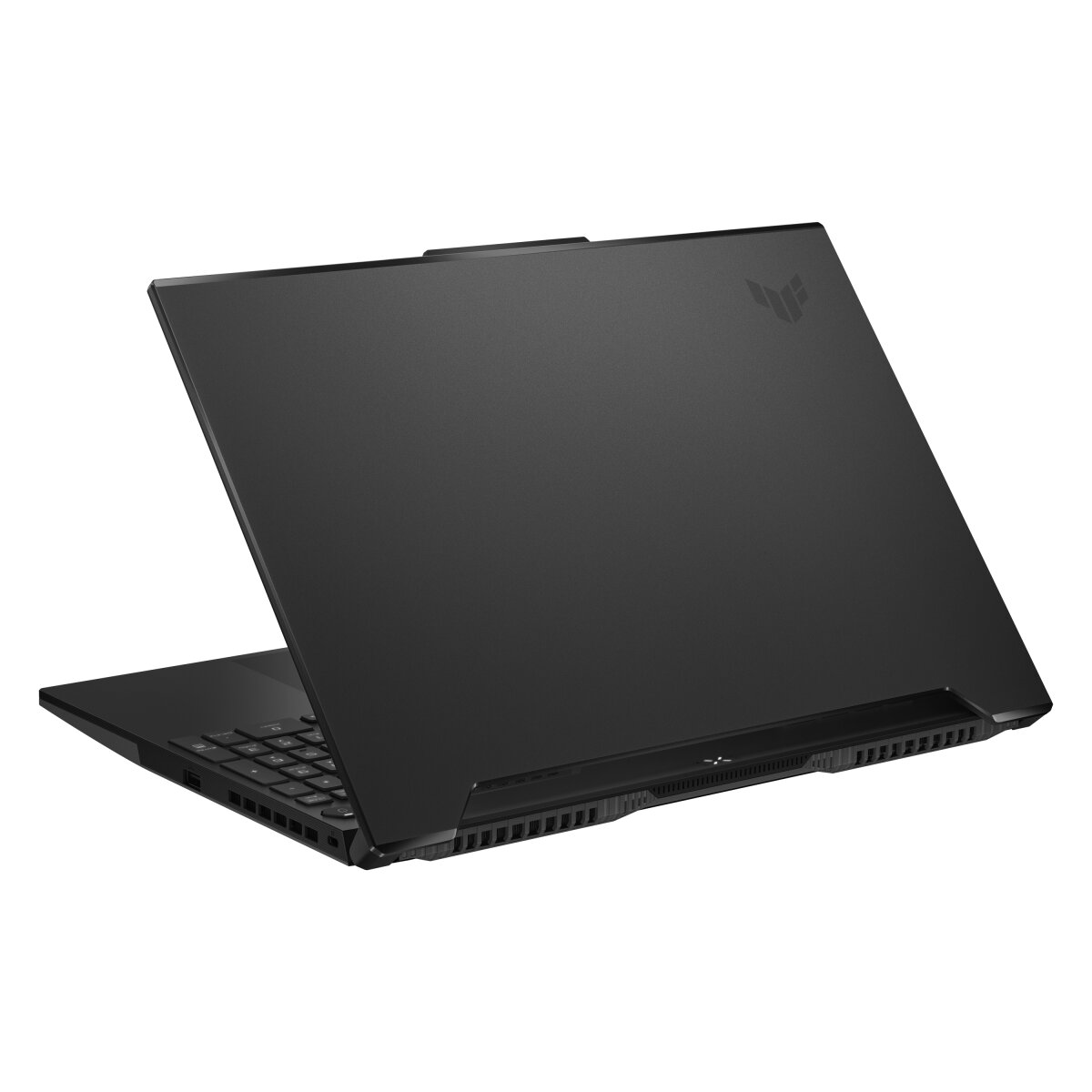


ASUS TUF Dash F15 FX517ZM-HN118W laptop features dual SO-DIMM memory slots supporting DDR5-SDRAM upgrades. Maximum compatible RAM capacity reaches 32 GB total. Memory specifications include 4800 MHz frequency support. Upgrade options utilize SO-DIMM form factor modules. Current configuration memory capacity and upgrade pathways depend on factory specifications. Compatible DDR5-SDRAM modules must match frequency and form factor requirements for proper operation.
Memory Upgrade Specifications
| Specification | Value |
|---|---|
| Memory slots | 2x SO-DIMM |
| Form factor | SO-DIMM |
| Memory type | DDR5-SDRAM |
| Frequency | 4800 MHz |
| Maximum RAM | 32 GB |
| Voltage | 1.1V |
| Number of pins | 262-pin |
| Interface | PC5 |
| PC Speed Rating | PC5-4800 (PC5-38400) |
| Bandwidth | 38.4 GB/s |
Additional Notes
- The 32 GB ceiling reflects chipset limitations rather than slot availability, preventing future expansion beyond this threshold even with higher-capacity modules.
- DDR5-SDRAM modules from DDR4 systems are physically incompatible due to different notch positioning and voltage requirements, eliminating any possibility of cross-generation upgrades.
- The ASUS TUF Dash FX517ZM-HN118W dual-channel configuration requires matched module pairs to avoid reverting to single-channel mode, which halves memory bandwidth.
- The 4800 MHz specification represents the maximum supported frequency, meaning faster DDR5 modules will automatically downclock to this speed without performance benefit.
- SO-DIMM accessibility varies significantly from desktop DIMM installations, typically requiring bottom panel removal and potential warranty seal breakage depending on manufacturer service policies.
- Thermal constraints in this form factor may cause DDR5 modules to throttle under sustained loads, as higher frequencies generate more heat in compact laptop chassis.
- Mixed-capacity configurations are technically supported but can trigger asymmetric dual-channel operation, where only the overlapping capacity runs in dual-channel mode.
- Non-standard voltage DDR5 modules designed for overclocking will fail POST or damage the memory controller, as laptop platforms lack voltage adjustment features.
- The transition from DDR4 to DDR5 architecture increases power efficiency per operation but raises idle power consumption, affecting battery runtime calculations.
- ECC memory variants, while physically compatible, remain unsupported in consumer-grade platforms and will either operate with error correction disabled or prevent system boot.