ASUS TUF Dash FX517ZM-HN155W RAM upgrade specifications


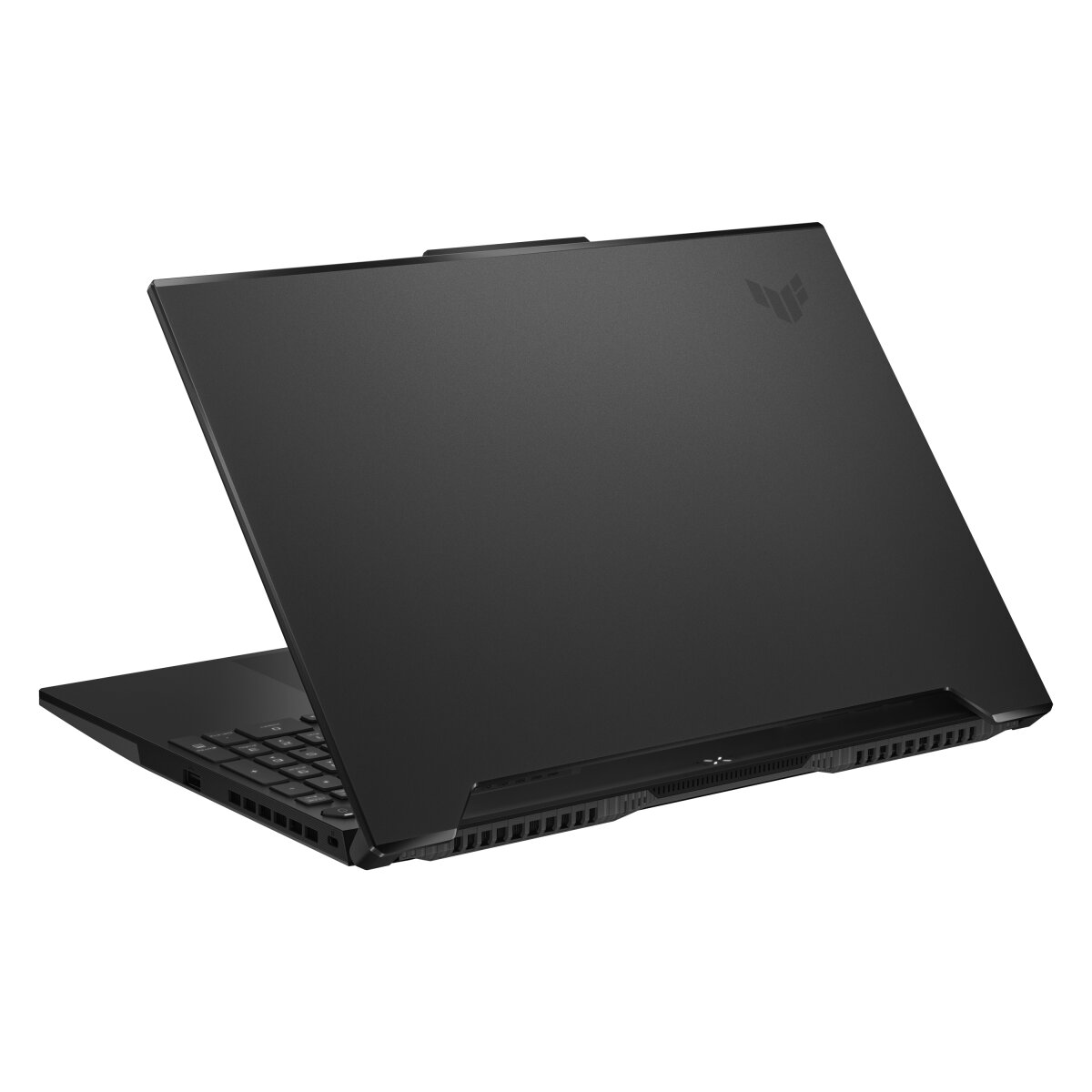


The ASUS TUF Dash F15 FX517ZM-HN155W supports DDR5-SDRAM memory upgrades with two SO-DIMM slots for maximum expandability. The laptop specifications indicate a maximum RAM capacity of 32 GB, with memory operating at 4800 MHz frequency. Compatible upgrade modules must match the SO-DIMM form factor and DDR5 specifications. The existing dual-slot configuration allows for flexible memory configurations to enhance system performance and multitasking capabilities.
Memory Upgrade Specifications
| Specification | Value |
|---|---|
| Memory slots | 2x SO-DIMM |
| Form factor | SO-DIMM |
| Memory type | DDR5-SDRAM |
| Frequency | 4800 MHz |
| Maximum RAM | 32 GB |
| Voltage | 1.1V |
| Number of pins | 262-pin |
| Interface | PC5 |
| PC Speed Rating | PC5-4800 (PC5-38400) |
| Bandwidth | 38.4 GB/s |
| Laptop Release date | 25 May 2022 |
Additional Notes
- The ASUS TUF Dash FX517ZM-HN155W supports DDR5 memory, which operates at higher voltages (1.25V) than DDR4 (1.2V). Third-party memory modules must explicitly comply with JEDEC DDR5 standards to avoid damage to the memory controller during installation.
- With 2 SO-DIMM slots at maximum capacity of 32 GB total, both slots must be populated with matching 16 GB modules to achieve the advertised ceiling. Single-slot configurations leave significant memory bandwidth underutilized due to the loss of dual-channel operation.
- DDR5-4800 MHz represents the baseline JEDEC specification for this memory type. Modules rated above 4800 MHz operate in overclocking mode and may fall outside manufacturer warranty coverage if stability issues arise during use.
- SO-DIMM form factor requires vertical insertion at a 45-degree angle followed by flat seating. The compact chassis design of this 15.6-inch gaming laptop constrains access to memory slots; removal of the bottom panel is mandatory, and thermal pad replacement may be necessary after reinstallation to maintain cooling efficiency.
- The integrated memory controller on 12th-generation Intel processors (likely in this configuration) has validated maximum stable frequency at 4800 MHz. Mixing modules of different speeds or capacities can force the system to downclock to the lowest module specification, negating performance gains from higher-rated memory.
- Thermal proximity to the discrete GPU and shared heatspreader assembly means aftermarket RAM modules with tall heatsinks may contact internal components. Validation of module height compatibility against the specific slot clearance is required before purchase.