ASUS TUF Dash FX517ZR-HN004W RAM upgrade specifications


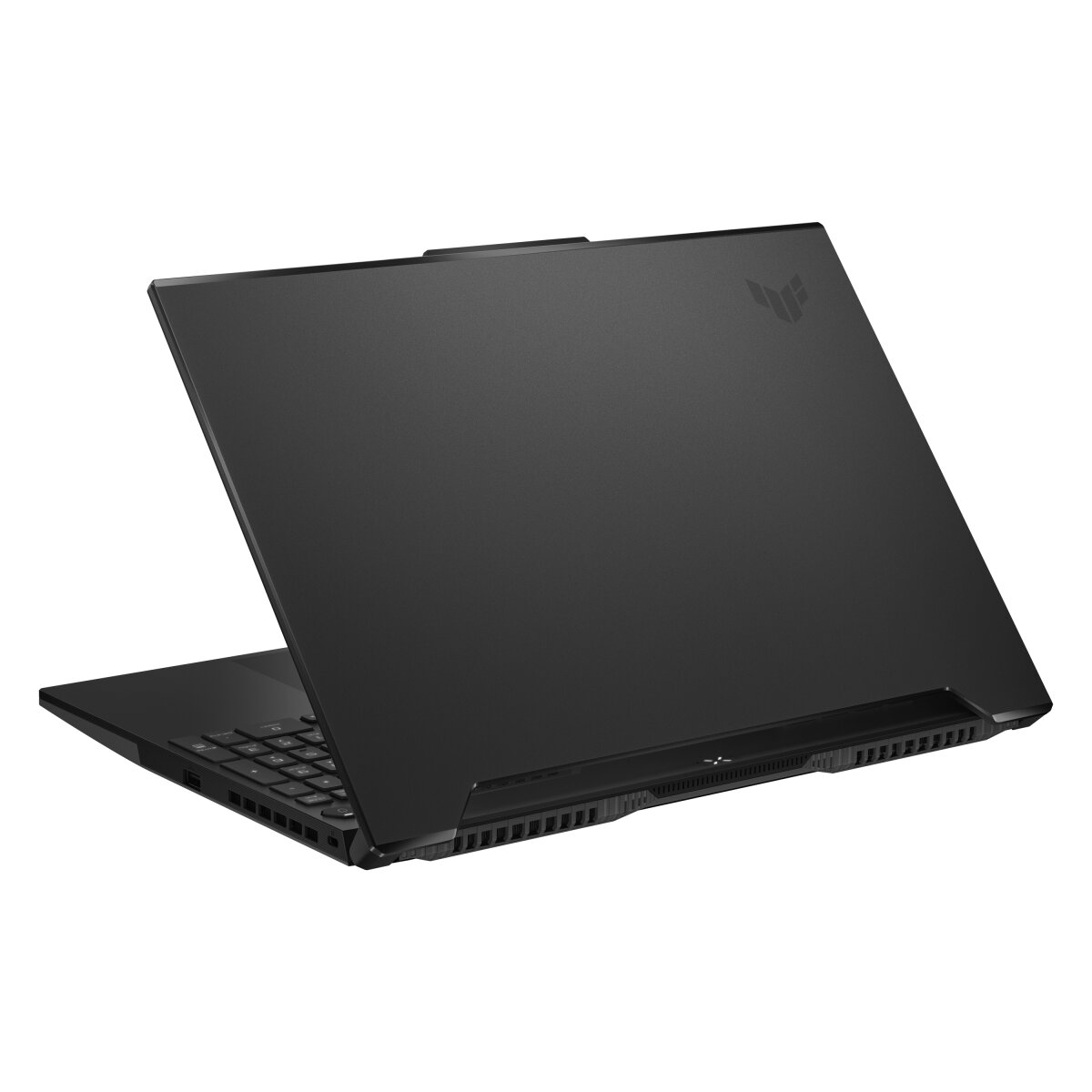


ASUS TUF Dash F15 FX517ZR-HN004W laptop memory upgrade specifications include two SO-DIMM slots supporting DDR5-SDRAM modules operating at 4800 MHz frequency. Maximum RAM capacity reaches 32 GB total. Compatible memory modules utilize SO-DIMM form factor. Upgrade options allow installation of DDR5 memory modules to expand system RAM from factory configuration. Specifications indicate support for high-speed DDR5 memory technology, enabling enhanced multitasking and performance capabilities within maximum capacity constraints.
Memory Upgrade Specifications
| Specification | Value |
|---|---|
| Memory slots | 2x SO-DIMM |
| Form factor | SO-DIMM |
| Memory type | DDR5-SDRAM |
| Frequency | 4800 MHz |
| Maximum RAM | 32 GB |
| Voltage | 1.1V |
| Number of pins | 262-pin |
| Interface | PC5 |
| PC Speed Rating | PC5-4800 (PC5-38400) |
| Bandwidth | 38.4 GB/s |
| Laptop Release date | 22 September 2022 |
Additional Notes
- The ASUS TUF Dash FX517ZR-HN004W uses dual-channel architecture, meaning both slots must be populated with identical modules to achieve optimal memory bandwidth.
- DDR5 modules operate at higher voltages and generate more heat than DDR4, requiring adequate chassis ventilation during sustained workloads.
- The 32 GB ceiling translates to a maximum configuration of 2x16 GB modules, as single 32 GB SO-DIMMs would exceed the controller limit.
- DDR5-4800 represents JEDEC standard speed rather than overclocked XMP profiles, ensuring broad compatibility across module manufacturers.
- Mixing modules with different densities or speeds will force all memory to operate at the lowest common specification, degrading performance.
- SO-DIMM installations typically require complete disassembly of the bottom panel, voiding certain regional warranties if seal stickers are broken.
- DDR5's on-die ECC operates independently of system-level error correction, reducing data corruption risk without BIOS configuration.
- The 4800 MHz frequency provides 38.4 GB/s theoretical bandwidth per channel, totaling 76.8 GB/s in dual-channel mode.
- Unlike DDR4, DDR5 modules incorporate integrated voltage regulation, eliminating motherboard-level power management dependencies.
- Upgrading from a single module to dual-channel can reduce memory latency by up to 30 percent in bandwidth-sensitive applications.
- The SO-DIMM form factor measures 67.6 mm in length compared to desktop DIMM's 133.35 mm, preventing physical interchange between platforms.
- Operating at JEDEC standard speeds avoids thermal throttling scenarios that affect overclocked modules in thermally constrained laptop chassis.
- DDR5's burst length of 16 doubles DDR4's specification, improving efficiency for sequential access patterns but increasing latency for random operations.
- Non-binary capacity configurations such as 12 GB or 24 GB totals require asymmetric module pairing, which maintains dual-channel operation but may introduce minor latency penalties.
- The 32 GB limit stems from chipset addressing constraints rather than physical slot limitations, preventing future expansion beyond specified thresholds.